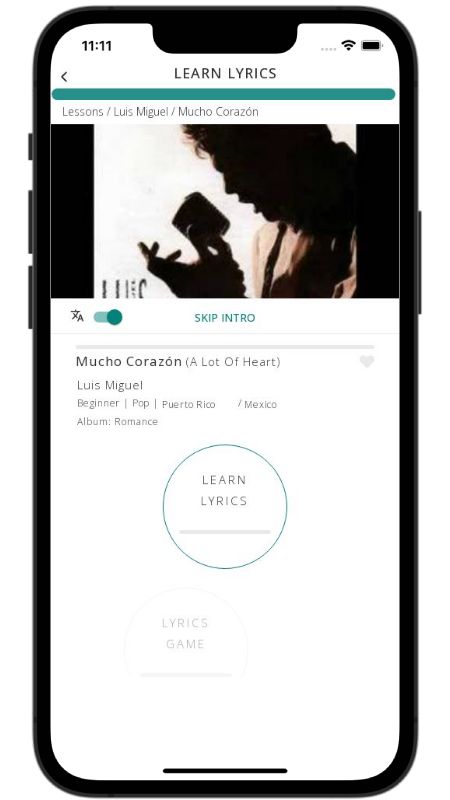
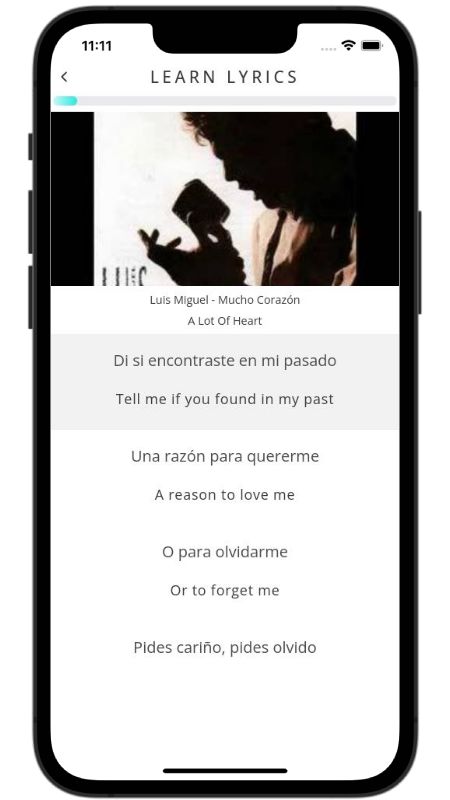
Mucho Corazón Lyrics in English by Luis Miguel
Sobra comes from the verb sobrar, meaning 'to be left over' or 'to have an excess of something'. It’s a fantastic word to express abundance and is much more passionate than simply saying 'I have'.
In this classic ballad, Luis Miguel proudly declares, "Me sobra mucho, pero mucho corazón" (I have a lot, a whole lot of heart to spare). He uses this word to say his capacity for love is so immense that it's overflowing, contrasting it with his lover's calculated and conditional affection.
Luis Miguel draws a hard line here with a lover who treats affection like a calculated business deal. The other person is constantly digging into his past (“De mi pasado / Preguntas todo” [About my past / You ask everything]) and switching between wanting love and wanting distance whenever it suits them (“Pides cariño, pides olvido / Si te conviene” [You ask for affection, you ask for oblivion / If it suits you]). He delivers a blunt reality check: “No llames corazón / Lo que tú tienes” (Don't call what you have a heart). To him, demanding faith before loving or looking for logical reasons to commit is missing the whole point of passion.
His standard for real devotion is dramatic: “Dar por un querer / La vida misma sin morir” (To give, for love, life itself without dying). While his partner looks for excuses, he boasts that he doesn't need logic to fall in love because he has more than enough emotional courage to spare. That is where the song lands its proud punchline: “Yo para querer / No necesito una razón / Me sobra mucho / Pero mucho corazón” (In order to love / I don't need a reason / I have plenty / So much heart to spare). In Spanish, saying something “sobra” means you have so much of it that it overflows, and here, he uses it to show he loves without keeping score.