Mala Lyrics in English by Marc Anthony
While cara commonly translates to "face," in this song it has a different, powerful meaning: "expensive."
Marc Anthony sings the fiery line, "Tú me saliste, mala, mala, mala y cara" (You turned out to be bad, bad, bad and expensive). This clever wordplay reveals his ex was not only emotionally draining but also financially costly, making the insult much sharper and more memorable.
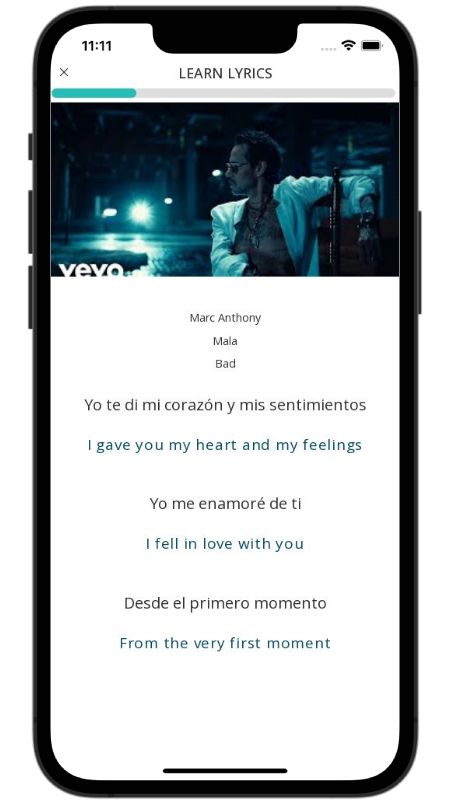
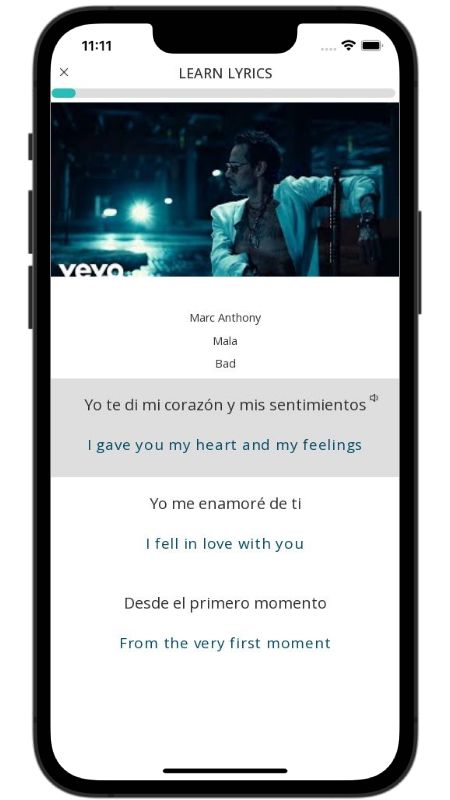
Marc Anthony does not hold back in this energetic salsa track, and he gets straight to the point about a relationship that completely wiped him out. He sings that he fell in love from day one ("Desde el primero momento" [From the very first moment]) and gave his whole heart, only to find out his partner was pure trouble. The central complaint is as blunt and humorous as it gets: "Tú me saliste, mala, mala, mala y cara" (You turned out to be bad, bad, bad and expensive). In Spanish, saying someone "salió cara" means they literally cost you a fortune or brought you way more trouble than they were worth.
He doubles down on the damage in the second verse, calling out how she left him behind: "Tú me dejaste solo / La cuenta de banco y mi corazón vacío" (You left me alone / The bank account and my heart empty). It is a dramatic realization that the romance was a total waste of time because her feelings were never real ("no valió la pena estar contigo / Si tu corazón no es mío" [it was not worth being with you / If your heart isn't mine]). Powered by that quick salsa tempo and a sharp sense of humor, it turns a tale of an empty wallet and a broken heart into an absolute dancefloor anthem.