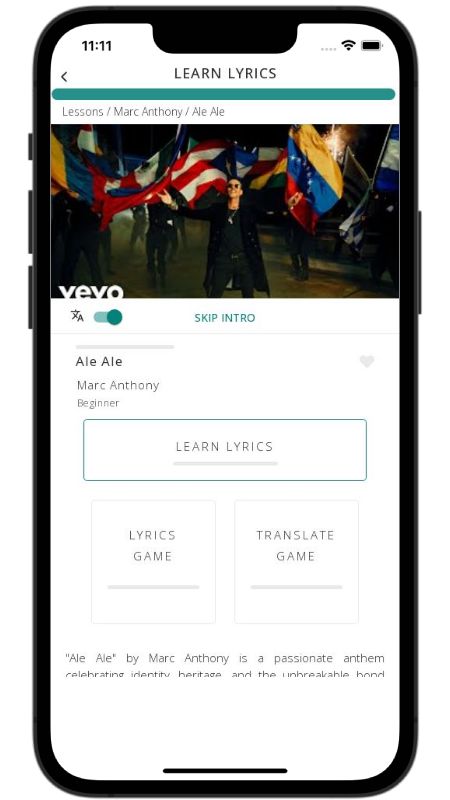
Ale Ale Lyrics in English by Marc Anthony
Patria means "homeland" or "fatherland", but it carries a much deeper emotional weight than the word "country" (país). It speaks to a profound connection to one's roots, culture, and heritage.
In this powerful anthem, Marc Anthony sings with immense pride, "A mi patria no me la quitan" (They can't take my homeland from me). He uses this word to express an unbreakable bond with his identity and people, making it the passionate heart of the song.
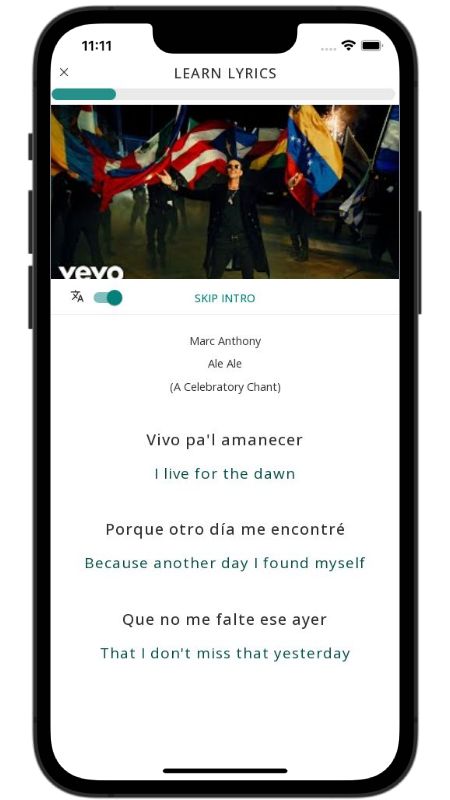
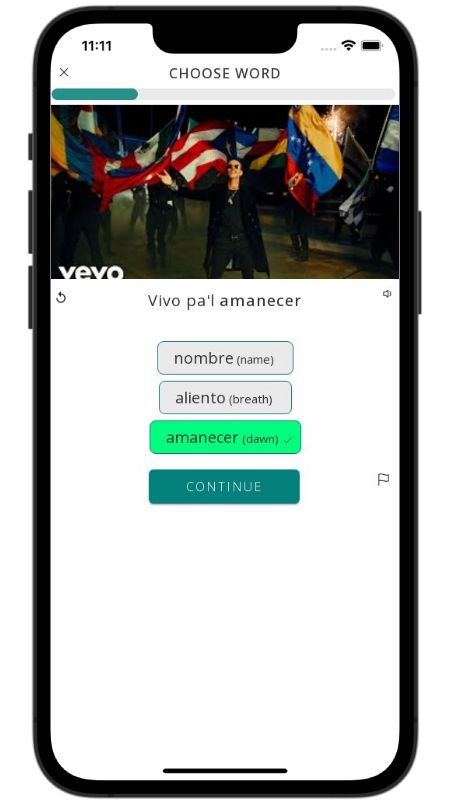
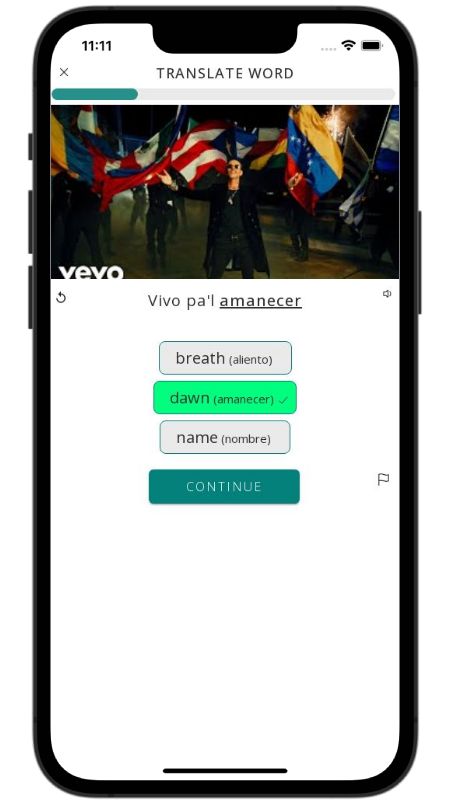
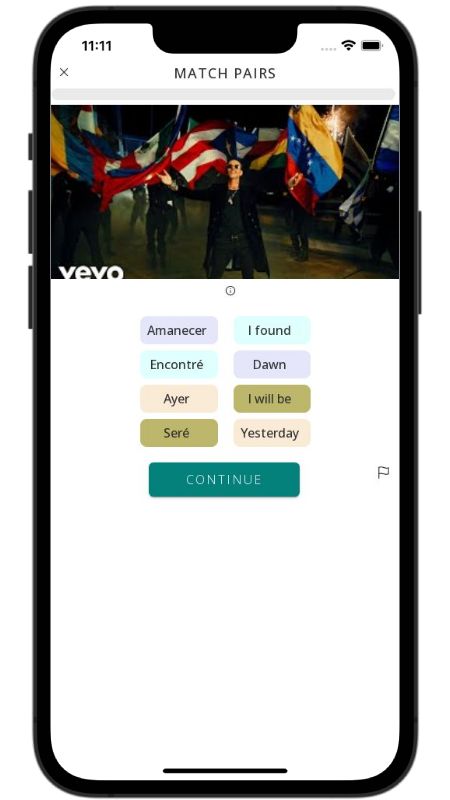
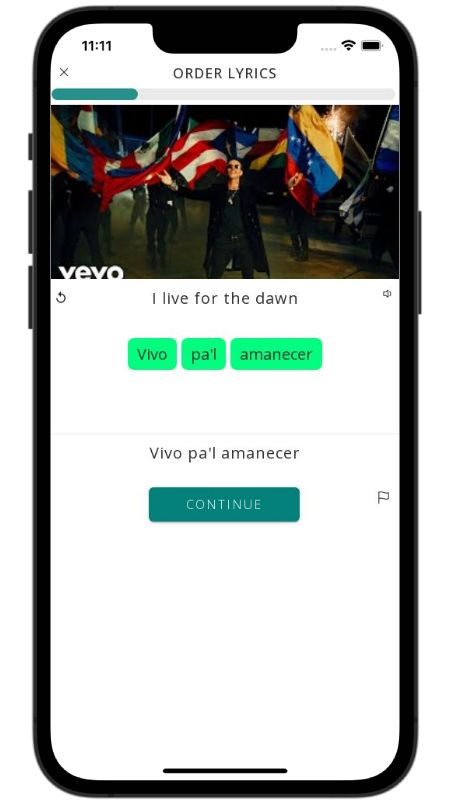
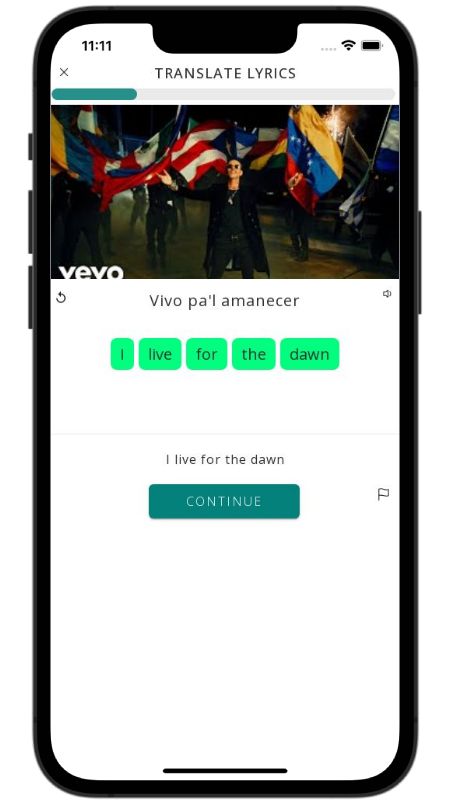
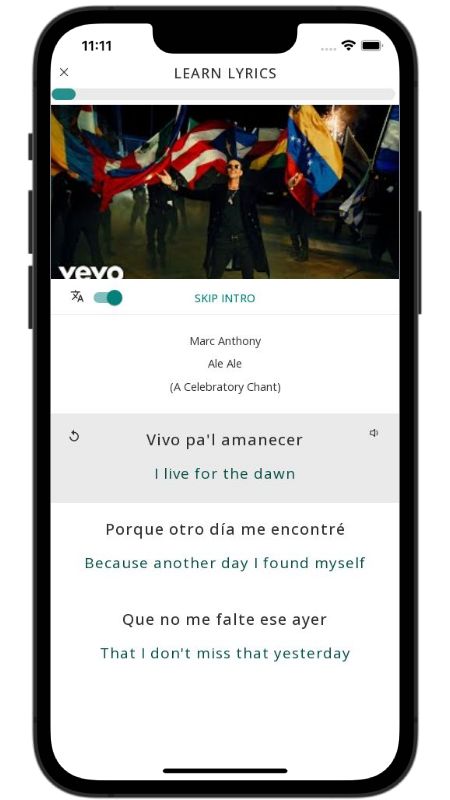
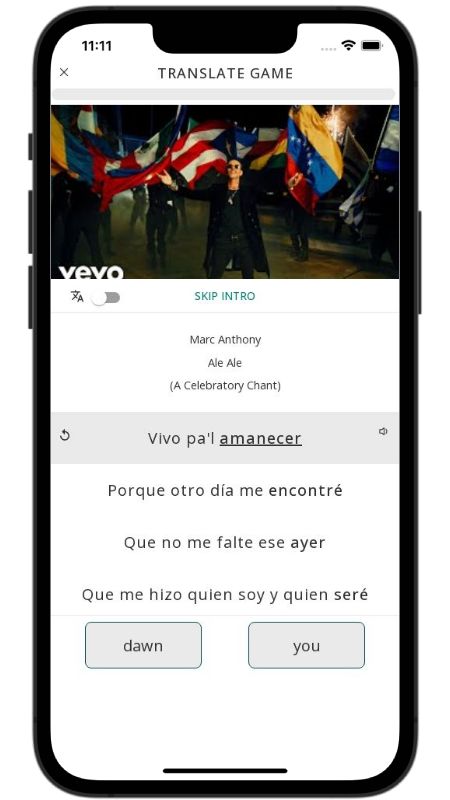
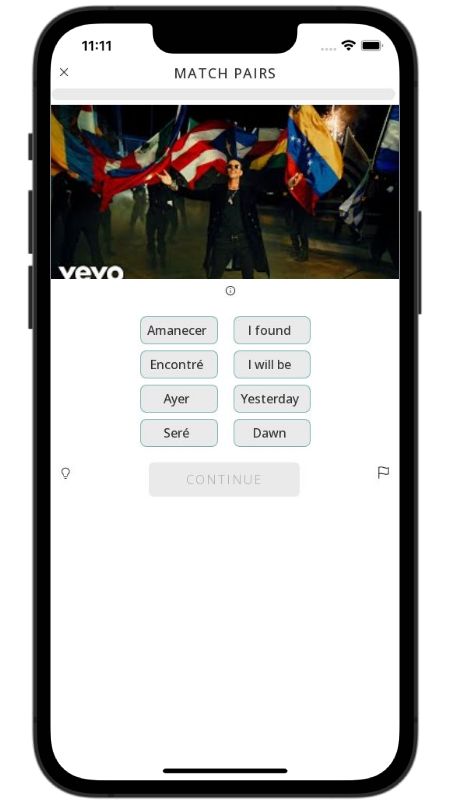
Marc Anthony brings pure salsa energy to "Ale Ale," turning the track into an open declaration of where he comes from and who he sings for. Right from the start, he looks to the dawn while holding onto his roots, singing "Que no me falte ese ayer / Que me hizo quien soy y quien seré" ("May I never lack that yesterday / That made me who I am and who I will be"). He explains his mission bluntly: he sings from the heart ("en el nombre de to' lo que llevo adentro" ["in the name of everything I carry inside"]) and directly credits his listeners for keeping him going ("Canto por ustedes, que son quien me dan aliento" ["I sing for you all, who give me breath"]).
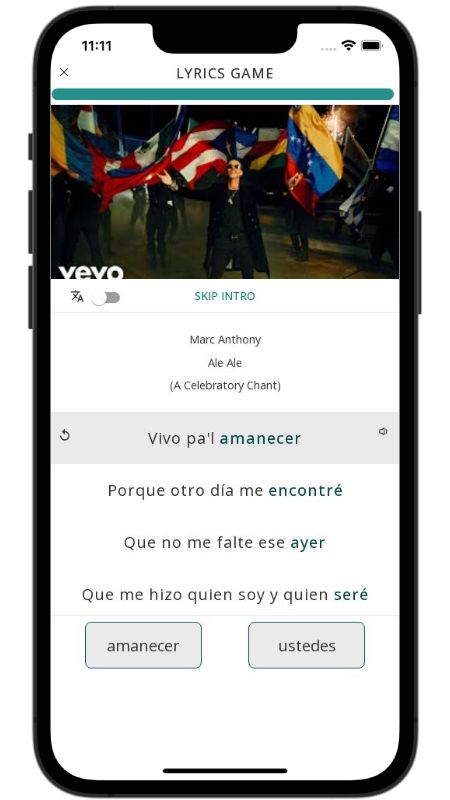
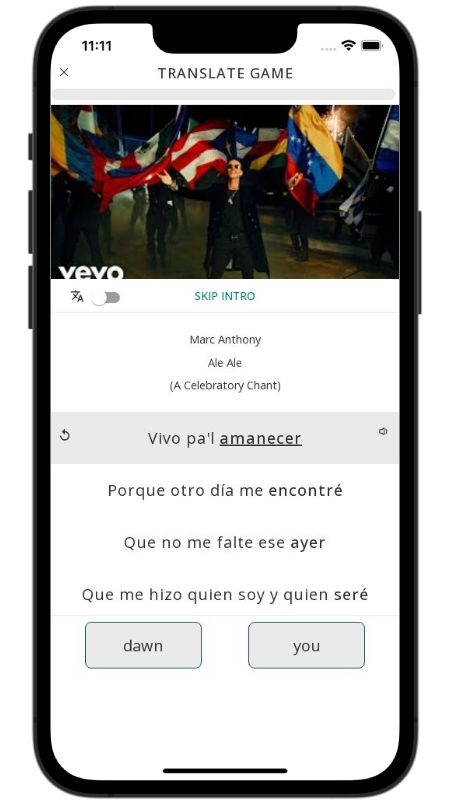
At its core, the track is fierce about cultural identity and belonging. He shouts, "A mi patria no me la quitan" ("They won't take my homeland away from me") and promises to represent his land wherever he travels ("En dondequiera que esté" ["Wherever I may be"]). You will also notice casual, everyday Spanish phrasing in the mix, like "pa'l" (short for para el, meaning "for the") and "to'" (short for todo, meaning "everything"), plus the classic exclamation "¡Ay, ombe!" (a contraction of ¡Ay, hombre!, used to throw feeling and spice into the rhythm). It is loud, proud, and unapologetically attached to his heritage.