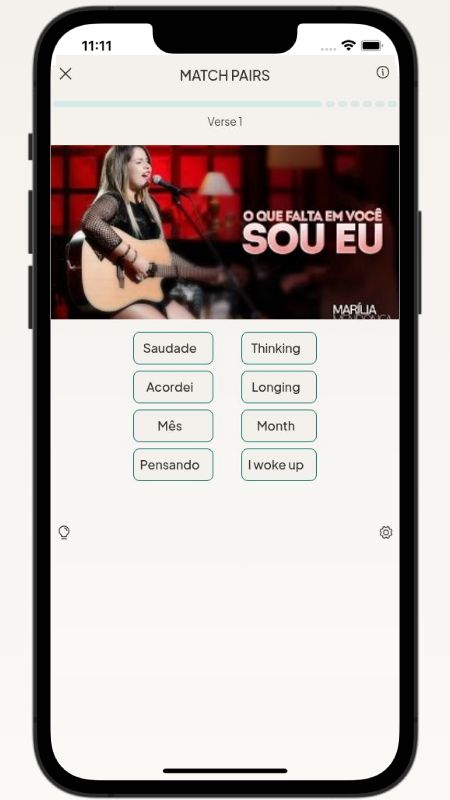
O Que Falta Em Você Sou Eu Lyrics in English by Marília Mendonça
Saudade is one of the most famous and beautiful words in the Portuguese language, often described as untranslatable. It represents a deep, melancholic longing or nostalgia for a person, place, or feeling that is far away.
In this powerful song, Marília Mendonça begins with "Falando em saudade" (Speaking of longing). She uses the word to perfectly capture the feeling of missing her former love, setting a tone of heartfelt yearning and the hope of reuniting with her 'other half'.
Have you ever looked at an ex's social media and convinced yourself they are miserable without you? That is the exact energy Marília Mendonça brings here. A whole month has passed—or, as she counts it out day by day, "Trinta dias que eu acordo pensando em você" ("Thirty days that I wake up thinking about you")—and she is studying a new photo of them. Their haircut hasn't changed, and they are wearing that familiar outfit, but she detects a flaw in their face: "Nos traços do sorriso deu pra perceber / O que será que tá faltando em você?" ("In the lines of your smile, I could tell / What could possibly be missing in you?").
Her diagnosis is bold, hilarious, and completely shameless: "O que falta em você sou eu!" ("What is missing in you is me!"). The Portuguese word saudade pops up throughout the song—a deep longing for someone who isn't there—and she treats it like an urgent medical emergency. She tells them to hurry up and collect what belongs to them: "Vem buscar logo a sua metade" ("Come quickly pick up your other half"). By the end, she isn't even asking anymore. She drops all doubt and declares, "tá aqui comigo a sua metade" ("your other half is right here with me"). It is sertanejo at its catchiest: dramatic, cheeky, and completely sure of itself.