Esta Vida Lyrics in English by Marshmello, Farruko
Janguear is a popular Spanglish verb that comes directly from the English phrase "to hang out". It's a perfect example of how languages can mix and evolve, and you'll hear it a lot in modern reggaeton and Latin urban music.
In "Esta Vida," Farruko sings "no me llamen pa' janguear" (don't call me to hang out). He's making a statement that he has changed his life for the better and is no longer interested in his old lifestyle of aimless partying.
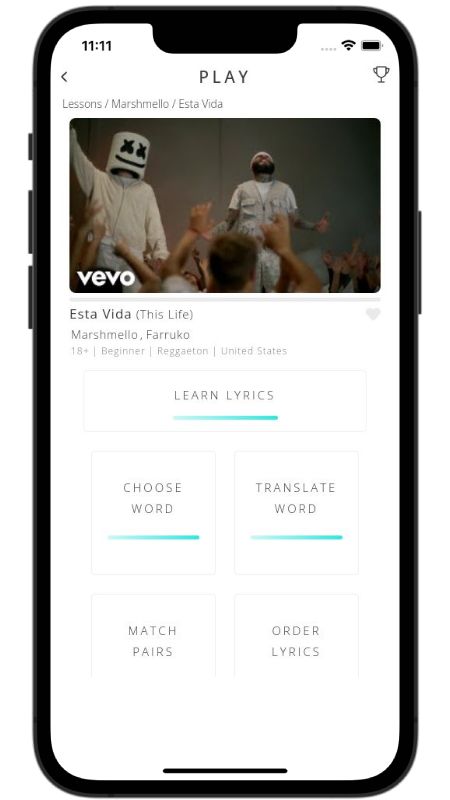
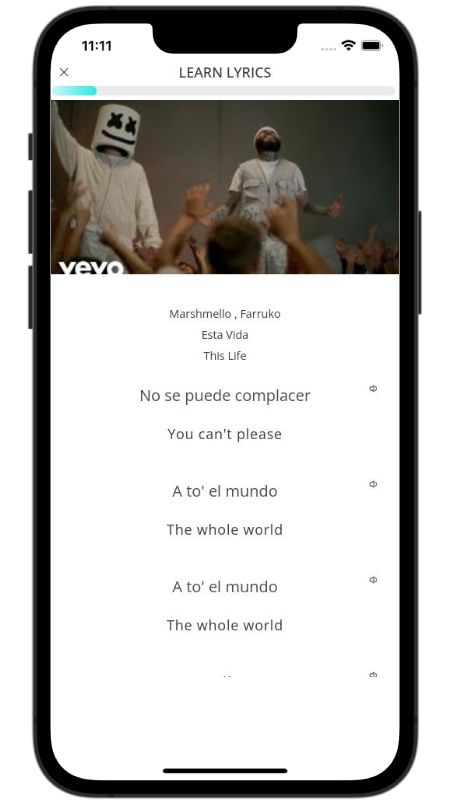
Ready to stop caring about what other people think? In "Esta Vida", American producer Marshmello teams up with Farruko to deliver a high-energy dance track with a blunt reality check about human nature. Farruko cuts straight to the point right away with "No se puede complacer / A to' el mundo" ("You cannot please everyone"). The core message is simple: society loves you when you are up and forgets you when you are down ("Cuando tienes te quiere / Y cuando no te olvida" [When you have, it loves you / And when you don't, it forgets you]). Instead of letting that make him bitter, he decides to focus on his own happiness and make positive changes for himself ("Decidí vivir / Sin importar qué digan, soy feliz" [I decided to live / No matter what they say, I'm happy]).
Farruko also gives us some great Caribbean Spanish slang while setting personal boundaries. He tells his old crowd "No es que yo quiera pichar, no me llamen pa' janguear" ("It's not that I want to ignore you, don't call me to party/hang out"). In Puerto Rican slang, pichar means to ignore or brush someone off, while janguear is the classic borrowing from the English phrase "to hang out." He makes it clear that turning down a party invite is not an attack: "Manito, aquí to' está bien, no lo cojas personal / Seguimos siendo panas" ("Bro, everything is good here, don't take it personally / We're still buddies"). He uses manito (short for hermanito, little brother) and panas (friends/buddies) to keep the vibe friendly while firmly choosing peace over drama.