Lo Que Construimos Lyrics in English by Natalia Lafourcade
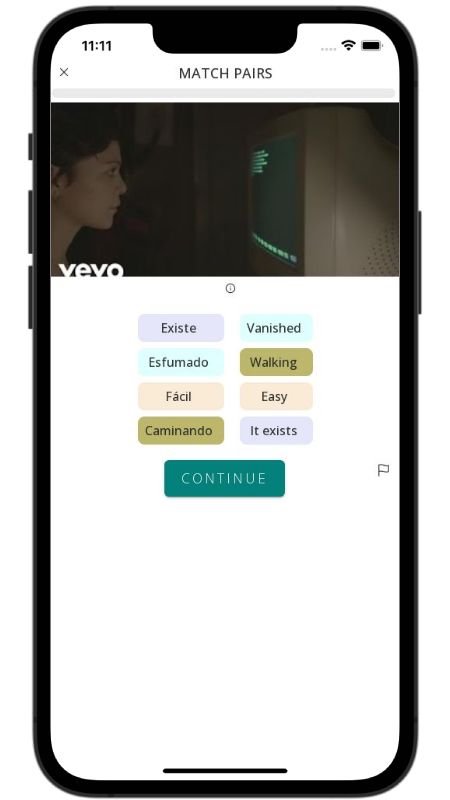
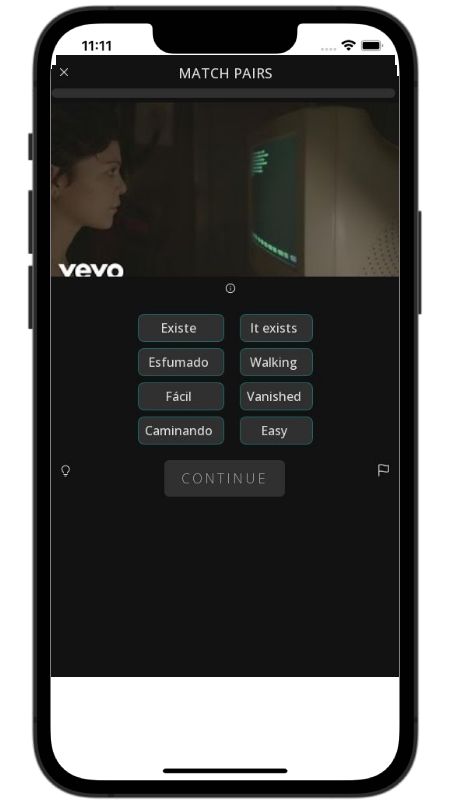
Esfumado comes from the verb esfumar, meaning "to blur, fade, or soften". It's a beautifully poetic word, closely related to the Renaissance art technique sfumato, used for creating a soft, hazy, or smoky transition.
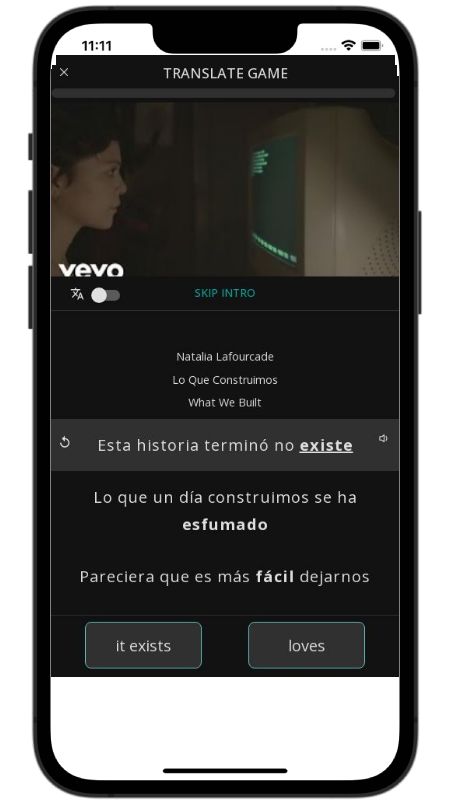
In the song, Natalia Lafourcade sings, "Lo que un día construimos se ha esfumado" (What we once built has vanished). She uses this word to describe how their relationship didn't just end abruptly, but delicately dissolved into nothing, like a drawing slowly fading away. This poignant imagery makes it a truly memorable word for expressing loss.
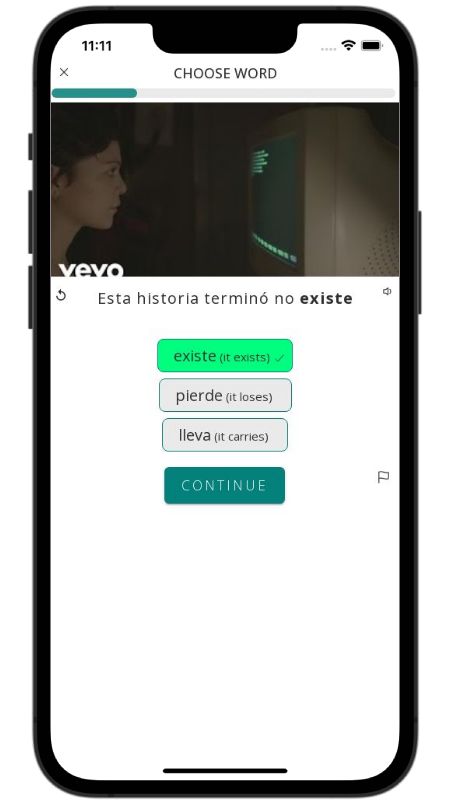
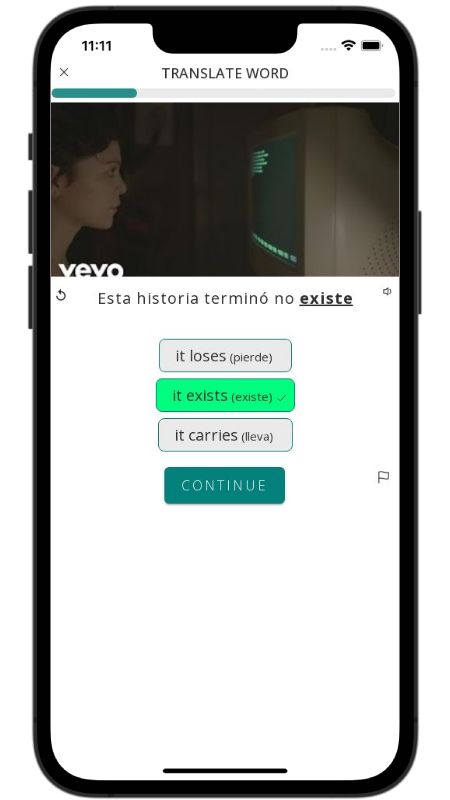
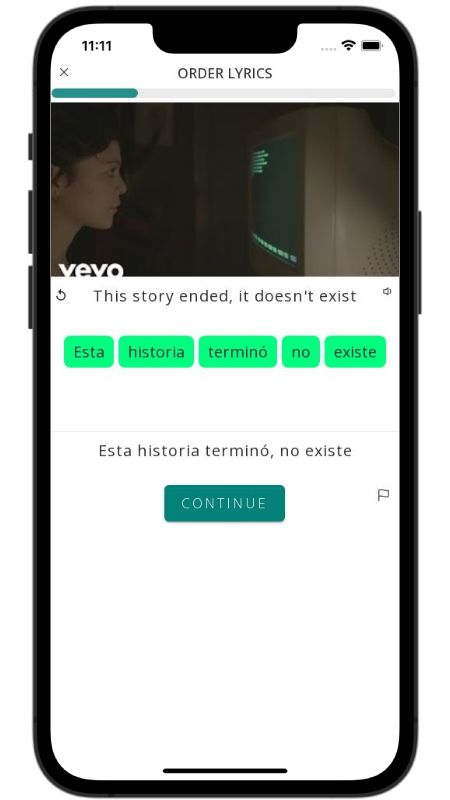
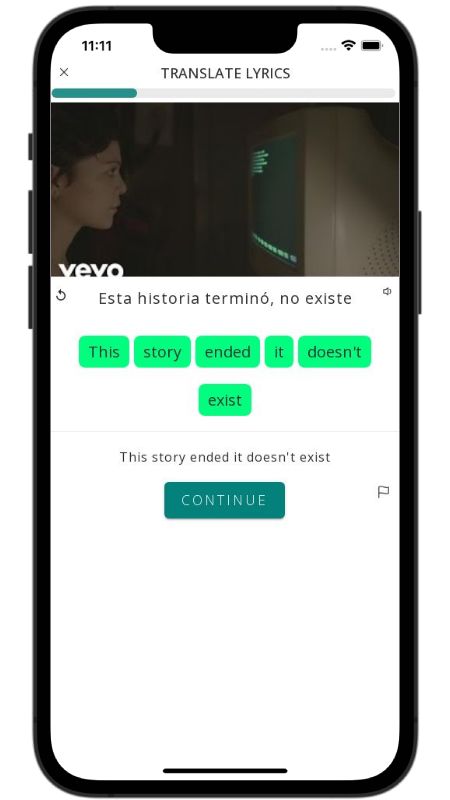
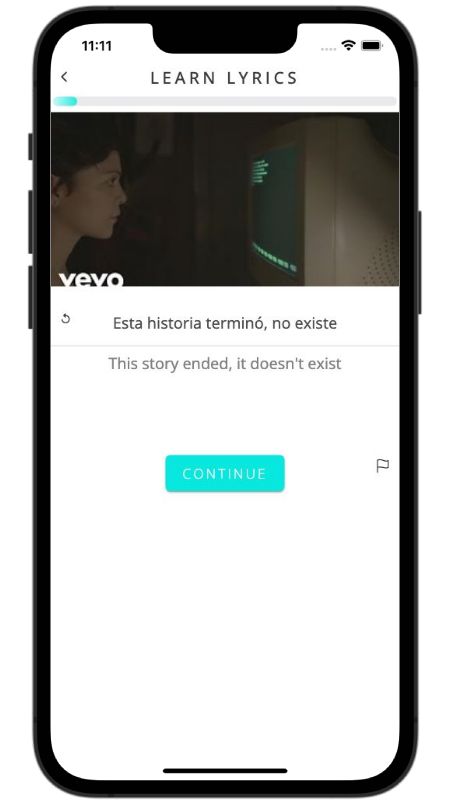
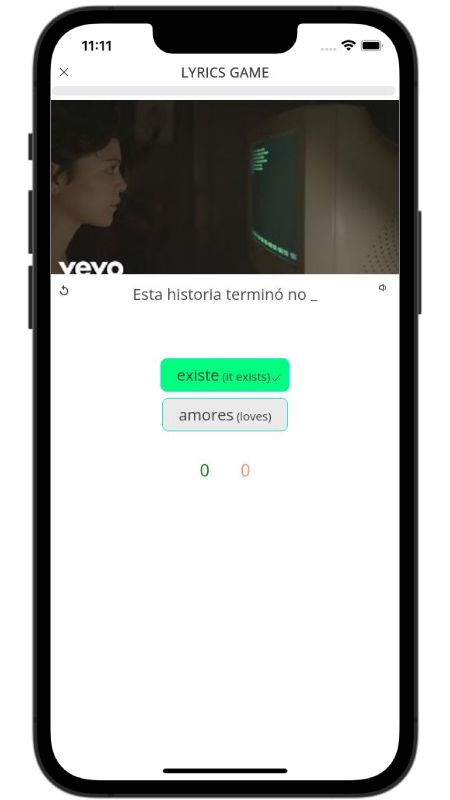
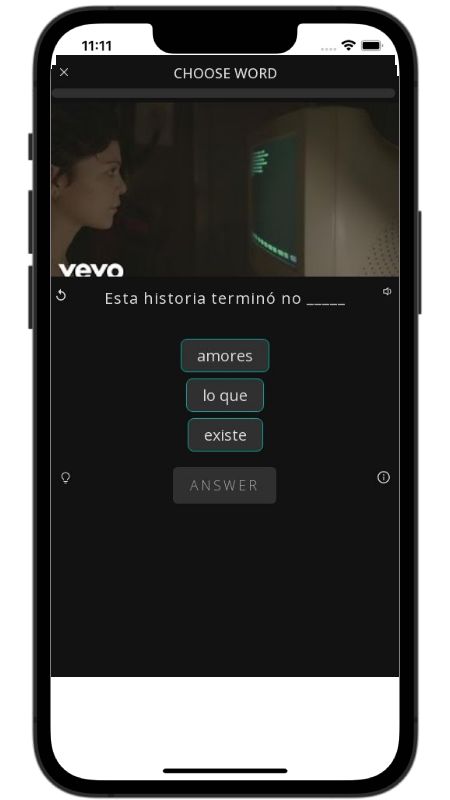
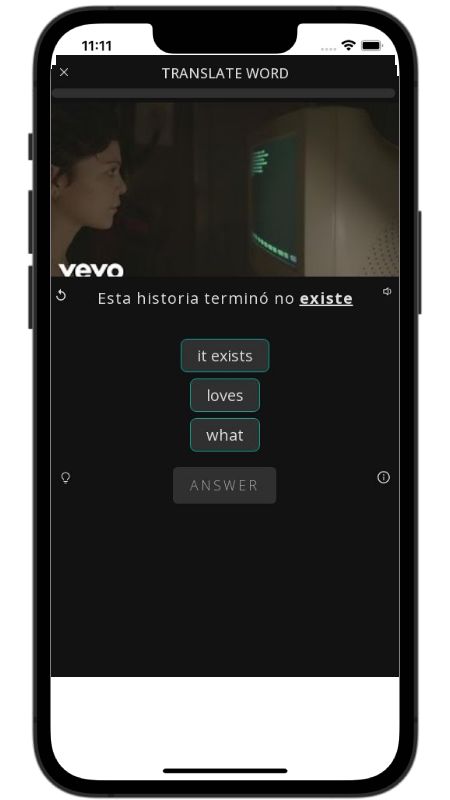
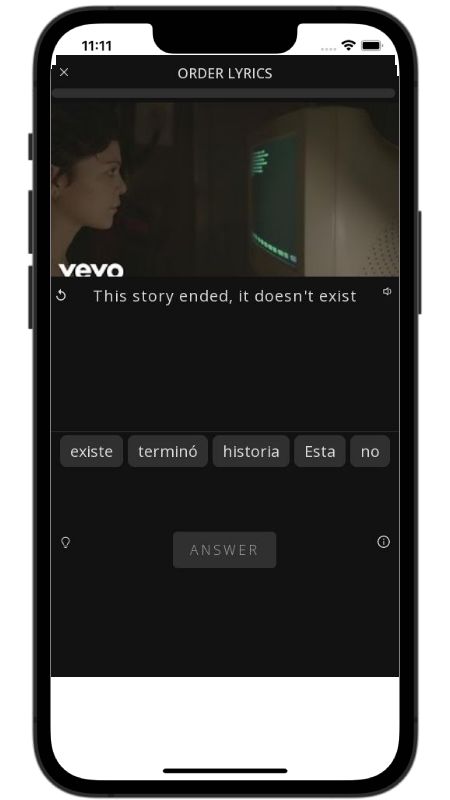
Breakups usually get messy, but Mexican pop-rock artist Natalia Lafourcade takes a surprisingly gentle, honest route here. Instead of screaming or placing blame, she admits flat out that the relationship is over: "Esta historia terminó, no existe" ("This story ended, it doesn't exist"). She describes how everything they built together has simply vanished into thin air, carried away by the breeze ("Se lo lleva el viento" [The wind takes it away]). Yet, even though moving on sounds simple in theory, the memory lingers everywhere—she literally calls her ex "un fantasma conmigo caminando" ("a ghost walking with me").
What makes this track special is that there is zero bitterness. She reminds her former partner, "No creas que no valió la pena" ("Don't think it wasn't worth it"), insisting that she loved them with all her soul. She treats their shared past as an investment that simply ran its course, confessing bluntly: "Eras una apuesta de largo plazo" ("You were a long-term bet"). It hurts, but as she puts it, "aunque nos duele es sólo nuestro" ("even though it hurts us, it is only ours"). It is a song about accepting the end of a big love while still honoring every bit of what you made together.
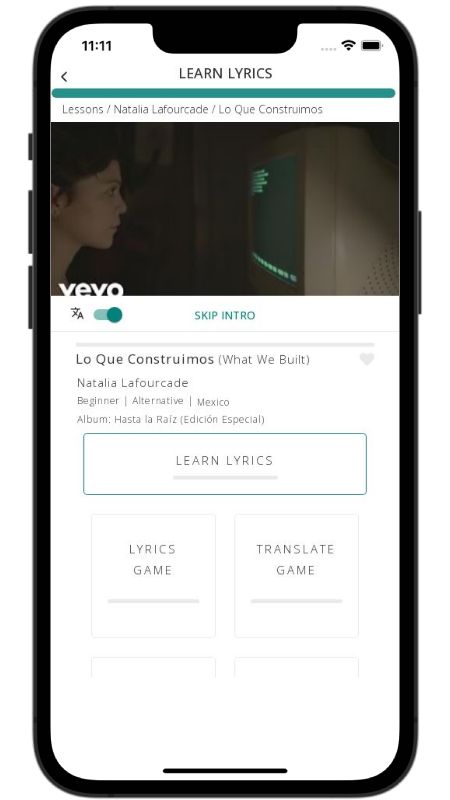
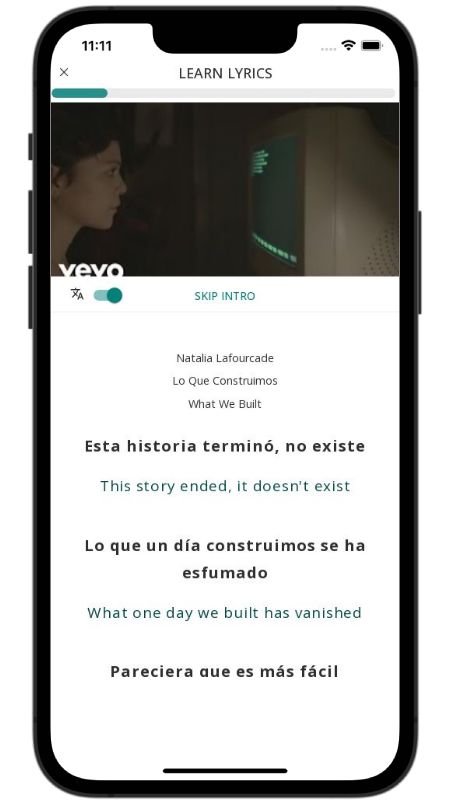
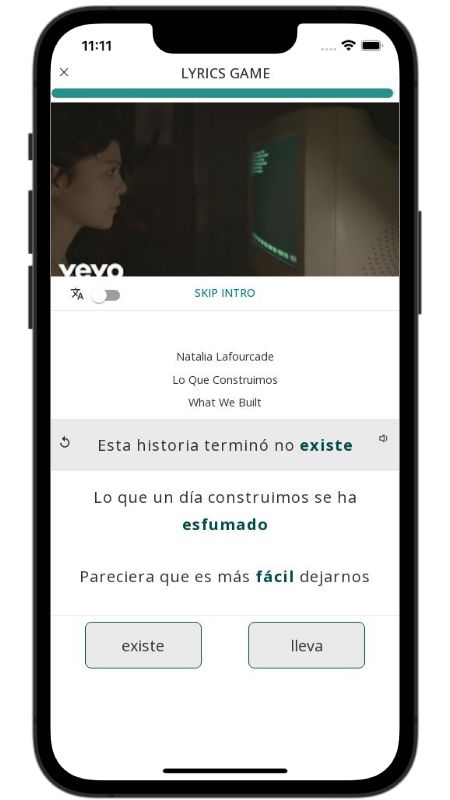
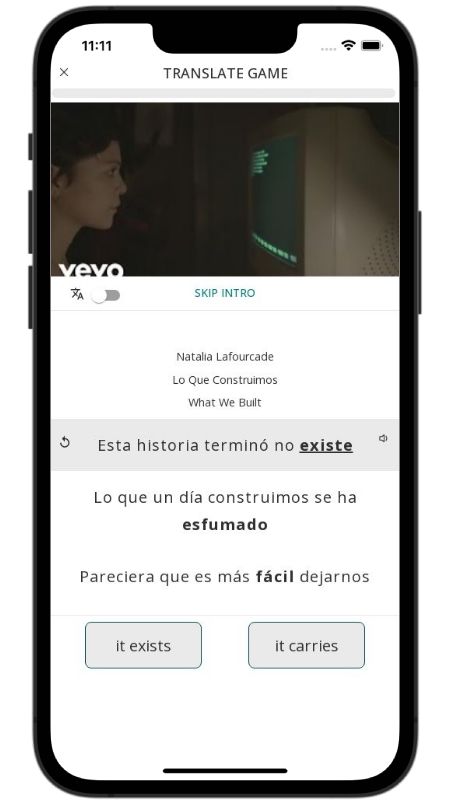














![De Todas Las Flores [Live At Carnegie Hall] Lyrics Translation](https://img.youtube.com/vi/4FZwmmM-dLY/mqdefault.jpg)
![María La Curandera [Live At Carnegie Hall] Lyrics Translation](https://img.youtube.com/vi/nj0fMeeMLnI/mqdefault.jpg)






![Hasta La Raíz [Live At Carnegie Hall] Lyrics Translation](https://img.youtube.com/vi/jbgw6RUqh50/mqdefault.jpg)