Pajarito Colibrí Lyrics in English by Natalia Lafourcade
Sollozando means “sobbing” or “weeping softly,” conveying a deep, trembling kind of cry.
It’s an expressive, less-common verb form that instantly paints an emotional image: in the song, the line “Si de amores andas sollozando” speaks to heartbreak so intense it keeps you awake. Its rolling double-L sound and dramatic feeling make it a memorable word to spotlight while learning the lyrics.
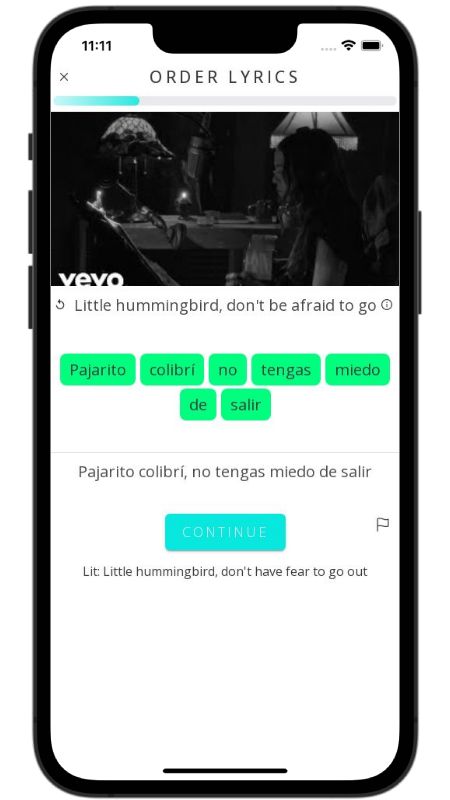
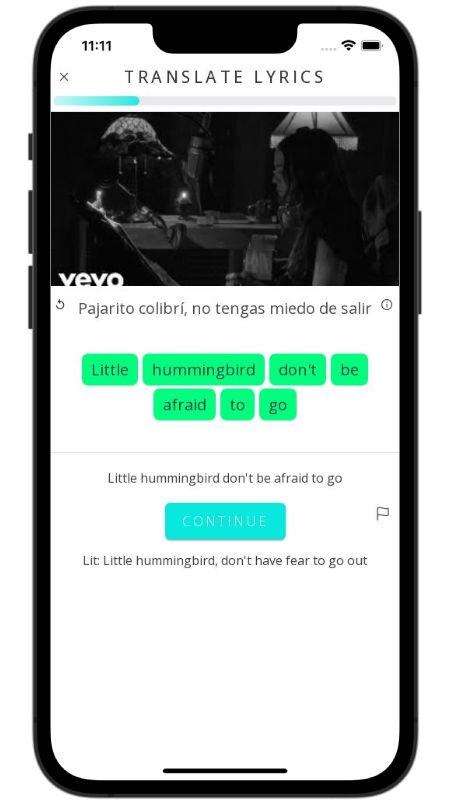
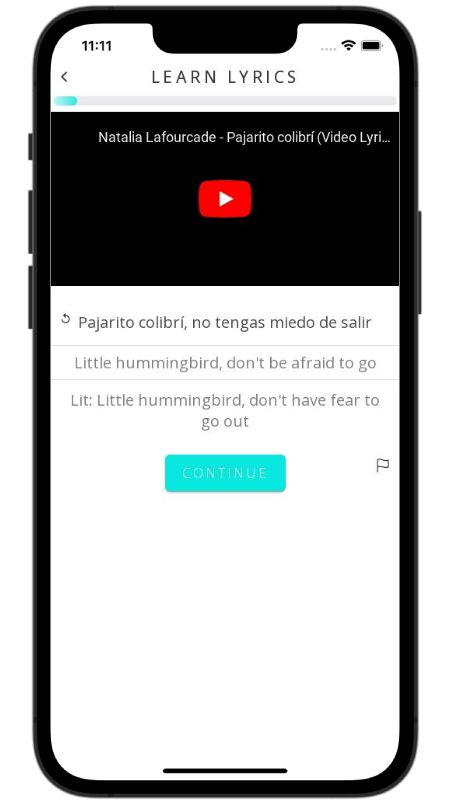
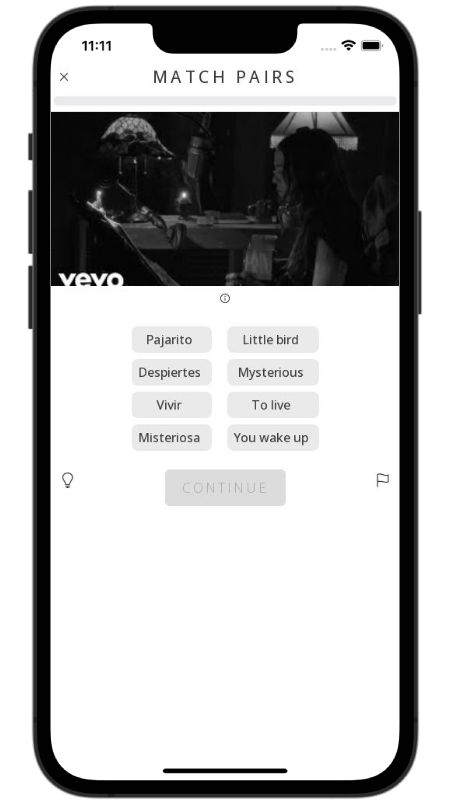
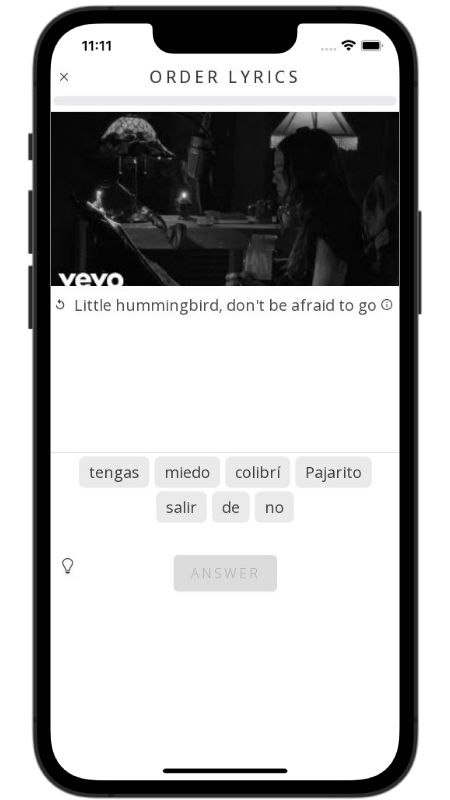
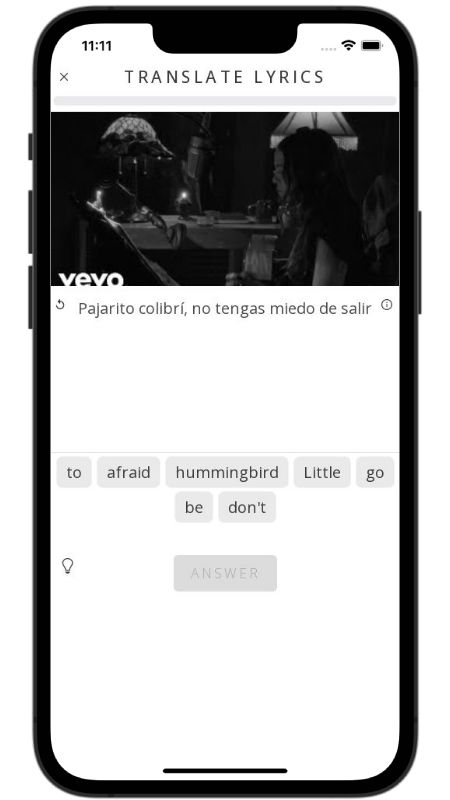
Mexican singer-songwriter Natalia Lafourcade turns a tiny hummingbird into a symbol for stepping out into the big world. She starts by coaxing it forward: Pajarito colibrí, no tengas miedo de salir (Little hummingbird, do not be afraid to go out). When life gets overwhelming, Lafourcade does not sugarcoat the fear. She talks about the physical feeling of panic when Dentro de tu pecho pierdas el aliento (Inside your chest you lose your breath) and you feel dizzy up in the air (sientes vértigo en el vuelo). Her remedy is simple: look up at the sky and ask for Dulce libertad (Sweet freedom).
She also offers practical, down-to-earth comfort for heartache. If you are crying yourself to sleep over a relationship (Si de amores andas sollozando, sin poder dormir), she tells you to Solo canta, quiebra la garganta (Just sing, break your throat)—which means to sing at the very top of your lungs until your voice cracks. The whole track feels like a warm hug from an older friend telling you that nature is on your side and repeating the core truth: Todo va a estar bien (Everything is going to be alright) because Tú llegaste al mundo para ser feliz (You arrived in the world to be happy).


















![De Todas Las Flores [Live At Carnegie Hall] Lyrics Translation](https://img.youtube.com/vi/4FZwmmM-dLY/mqdefault.jpg)
![María La Curandera [Live At Carnegie Hall] Lyrics Translation](https://img.youtube.com/vi/nj0fMeeMLnI/mqdefault.jpg)








![Hasta La Raíz [Live At Carnegie Hall] Lyrics Translation](https://img.youtube.com/vi/jbgw6RUqh50/mqdefault.jpg)