Maria Joana Lyrics in English by Nuno Ribeiro, Calema, Mariza
Francesinha literally means 'little French girl', but in Portugal, it's the name of a famous and hearty sandwich from the city of Porto. It's typically made with bread, ham, sausage, and steak, then covered with melted cheese and a hot tomato and beer sauce.
In the song, the singer from the north of Portugal uses this iconic dish as a metaphor for his life in Lisbon. He sings, "A francesinha já não tem picante" (The francesinha has no spice anymore), to express that without his love, everything that was once flavorful and exciting has become bland and tasteless.
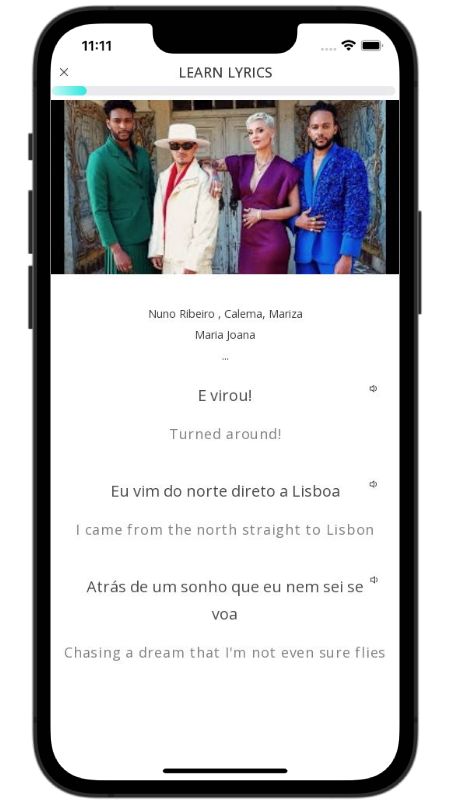
Moving to the big city to chase your ambitions sounds romantic until real life hits. In "Maria Joana," the singer travels straight from northern Portugal down to the capital ("Eu vim do norte direto a Lisboa" [I came from the north straight to Lisbon]), chasing a dream he is not even sure can fly. Missing home hits him in the stomach first: he complains that francesinha, Porto's famous layered meat sandwich bathed in spicy beer sauce, lacks any real heat down here ("A francesinha já não tem picante" [The francesinha has no spice anymore]). That bland sauce just reminds him of biting his partner's lips back home. Without her, he feels completely aimless, crying out "Maria, sem ti fico à toa" [Maria, without you I am adrift / lost].
All the glitter of Lisbon cannot fix the ache in his chest, an ache the track repeatedly calls saudade, the Portuguese word for that deep, burning longing for someone far away. He even calls back home to check in, admitting "A minha mãe nunca me viu partir / Mas todo o filho um dia voa" [My mother never saw me leave, but every child flies away one day] and asking her to look after Maria for him. By the end, tears have piled up enough to form an entire river to carry him back ("Cada gota que eu deitei / Fez um rio que me leva a ti" [Every drop I shed made a river that takes me to you]). He gives up on playing it cool and begs for the simplest fix possible: "Maria Joana, apanha o primeiro autocarro / Vem ficar p'ra sempre do meu lado" [Maria Joana, catch the first bus, come stay by my side forever].