Dile Que Tu Me Quieres Lyrics in English by Ozuna
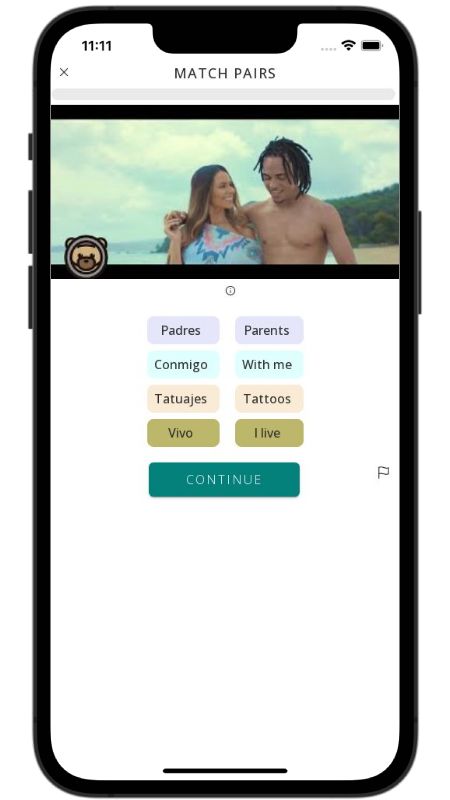
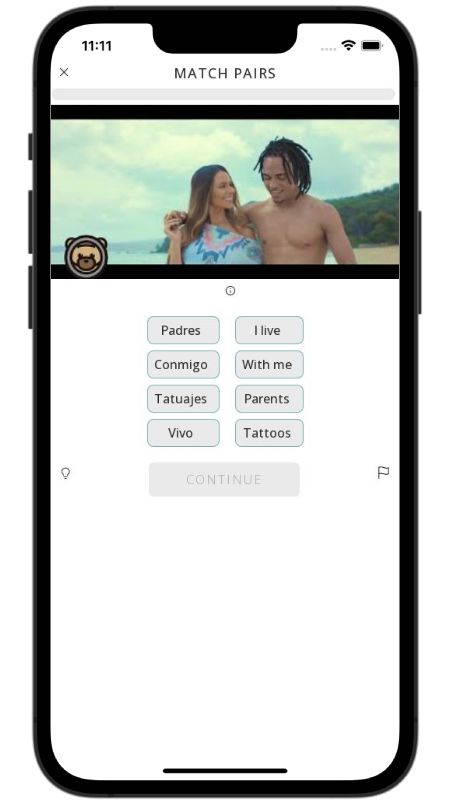
Tatuajes means "tattoos". This word appears early in the song and immediately sets up the central conflict of the story.
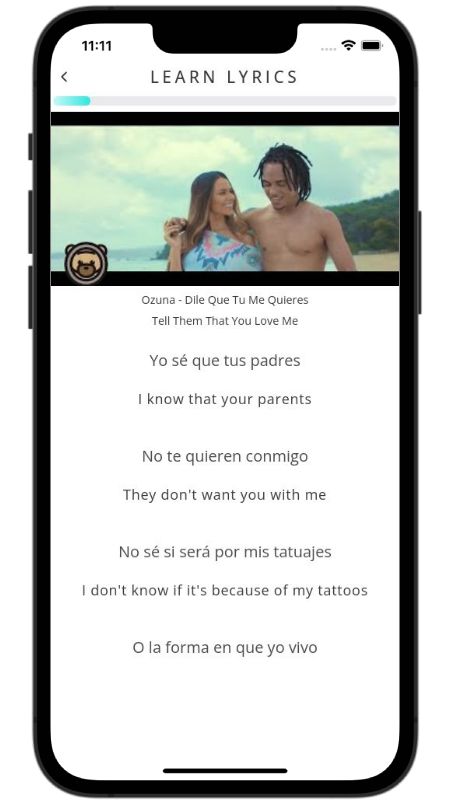
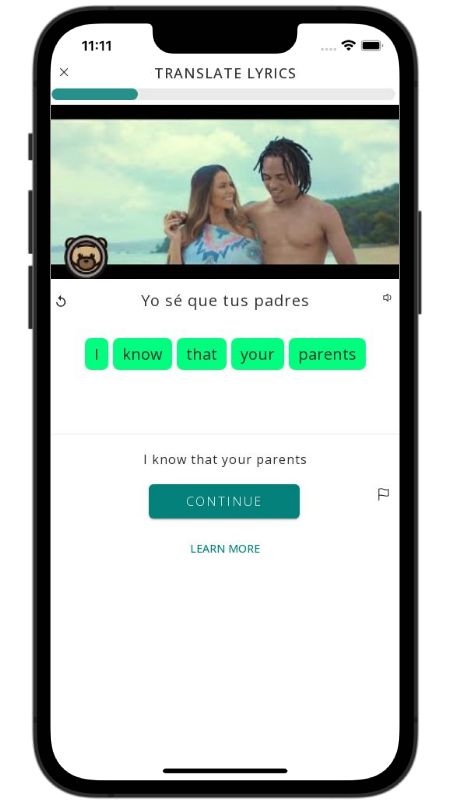
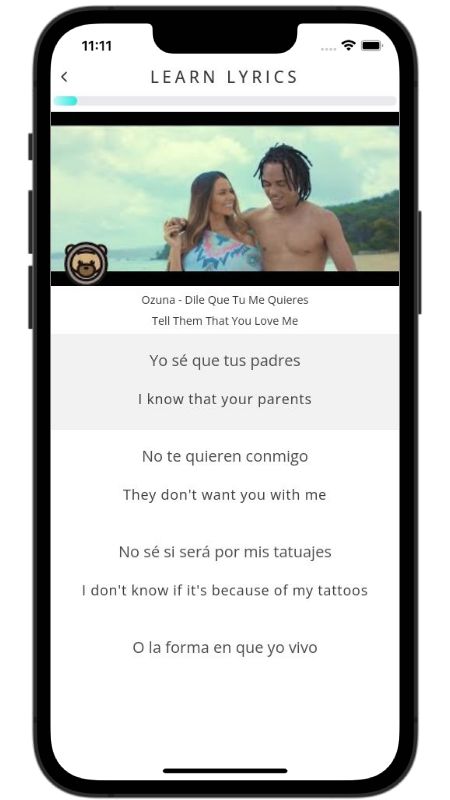
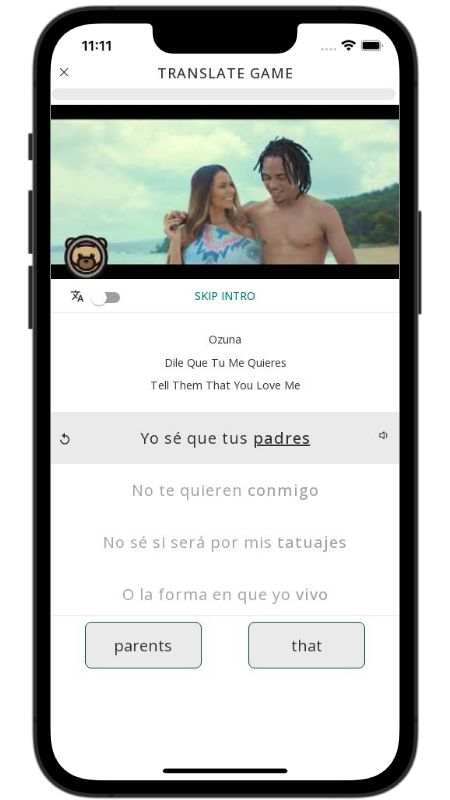
Ozuna sings, "Yo sé que tus padres no te quieren conmigo / No sé si será por mis tatuajes" (I know your parents don't want you with me / I don't know if it's because of my tattoos). He's worried that his girlfriend's parents are judging him based on his appearance, creating a classic story of a misunderstood lover. It's a modern and relatable word that perfectly frames the song's theme of looking past surface-level appearances.
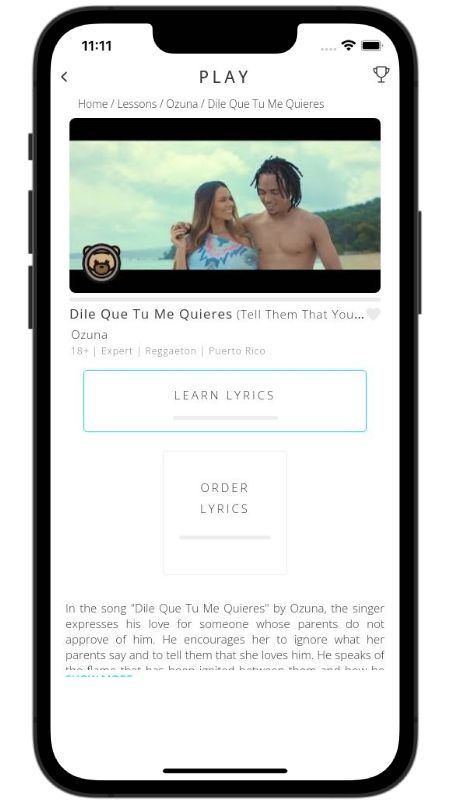
In "Dile Que Tu Me Quieres", Puerto Rican reggaeton star Ozuna tackles a classic romantic dilemma: strict parents who judge a book by its cover. Right away, he guesses why her family disapproves of him, singing: "No sé si será por mis tatuajes / O la forma en que yo vivo" ("I don't know if it's because of my tattoos / Or the way that I live"). Instead of backing down, he urges his partner to stand up to the gossip and tell her mother the truth. He wants her to explain that "entre tú y yo la llama se encendió" ("between you and me the flame caught fire") and that appearances lie because his heart treats her with true decency.
Ozuna calls out the nosy friends and outside critics who cannot stand seeing them happy ("No soportan que nos vaya bien" / "They can't stand that things are going well for us") and spread false rumors that he is unfaithful. He insists his eyes are only for her. At the end, he signs off with his famous signature nickname, "El negrito ojos claros" ("The dark-skinned guy with light eyes"), and delivers a funny, slightly dramatic defense: "dicen que los mejores sentimientos vienen de quien tiene el corazón de piedra" ("they say the best feelings come from someone with a heart of stone"). It is a catchy, defiant anthem about choosing love over outside approval.