Síguelo Bailando Lyrics in English by Ozuna
Poderío translates to "power," "might," or "authority." It's a much stronger and more poetic word than the common word for power, poder.
In the song, Ozuna sings, "Que la música tiene poderío," to say that the music has an irresistible force and influence. This single word perfectly captures the theme of the song: the commanding power of the rhythm that makes everyone lose control and dance all night.
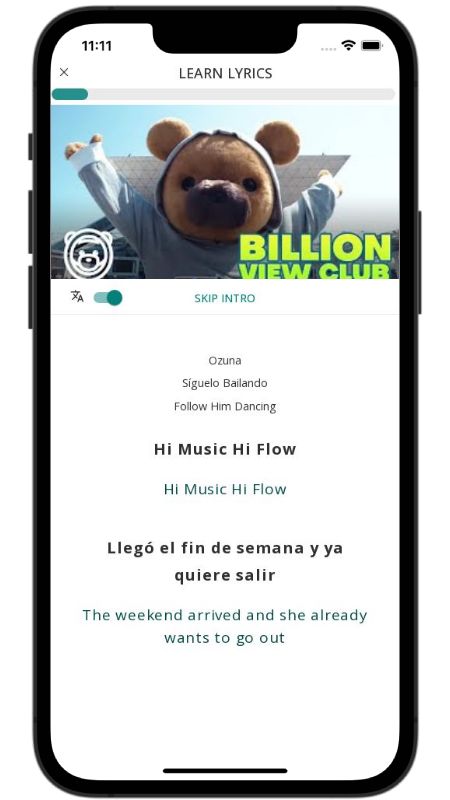
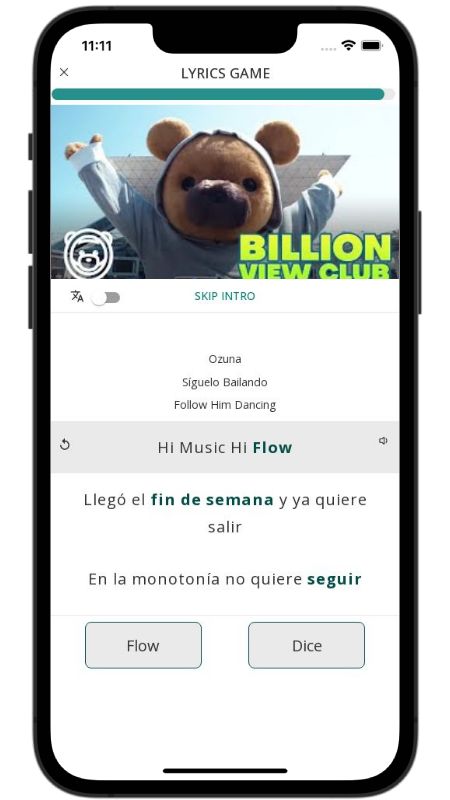
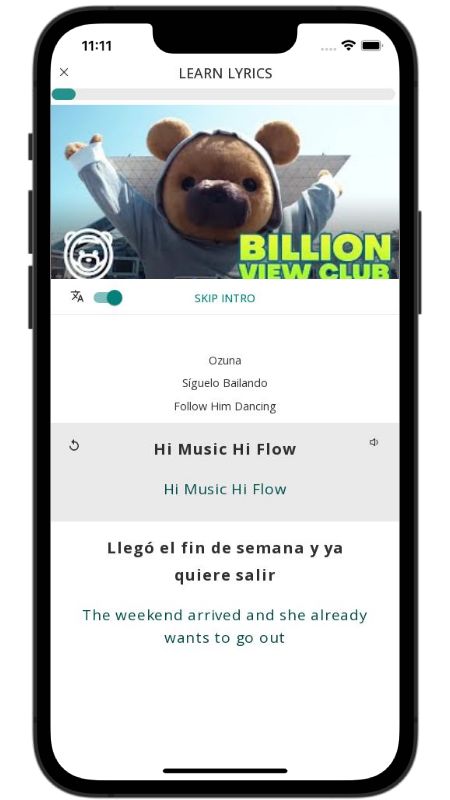
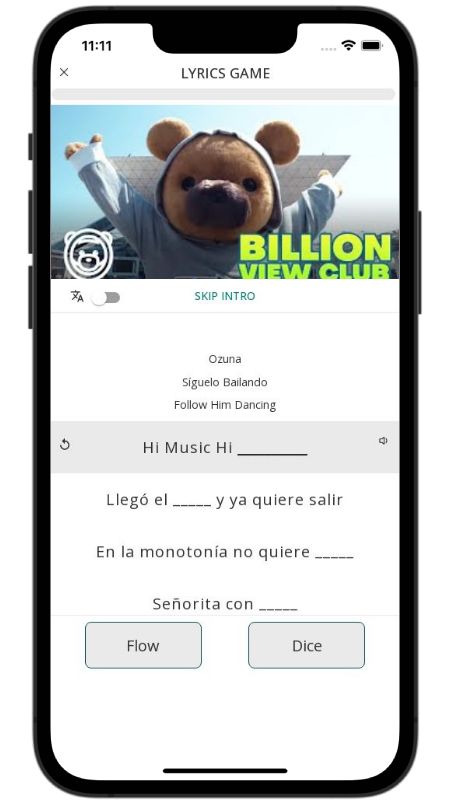
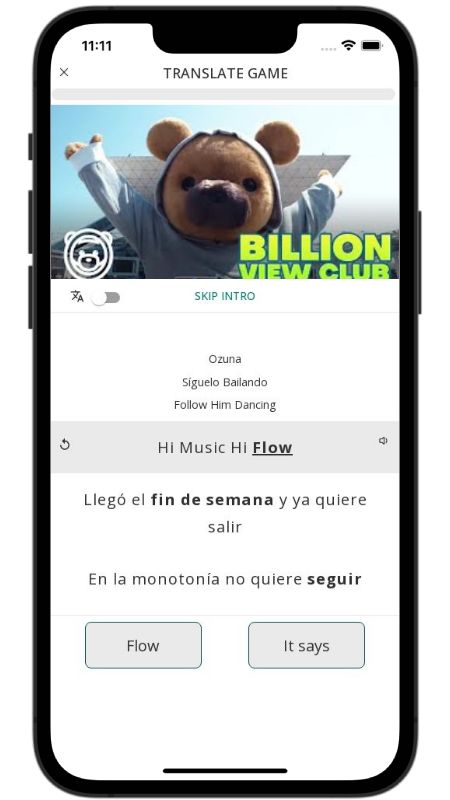
Weekend mode hits hard in "Síguelo Bailando", where Puerto Rican superstar Ozuna sets out to destroy everyday boredom. The story starts with a woman who is completely done with routine: "Llegó el fin de semana y ya quiere salir / En la monotonía no quiere seguir" ("The weekend arrived and she already wants to go out / She doesn't want to carry on in the monotony"). Once she hits the floor, she turns into what Ozuna calls a dancing machine ("una maquina de baile"). She does not make excuses about what time it is, and whatever life throws at her, "lo resuelve bailando" ("she solves it by dancing").
There is plenty of great everyday slang packed into these verses. When Ozuna sings "Que tú tenga tu aceite / Yo tengo el mío" ("You've got your swagger / I've got mine"), he uses aceite (literally "oil") to mean someone's flair, confidence, or cockiness. He shouts out spots across the map, from Brazil and Argentina right down to "P.R. Caserío"—the public housing neighborhoods across Puerto Rico where street culture and reggaeton thrive. The core mission never changes throughout the whole track: keep moving, stay close in the corner, and pray that the night does not end ("que la música no pare / Cómo a mí me gusta que la noche no se acabe").