Vuelve Lyrics in English by Sebastián Yatra, Beret
Orgullo means "pride," but in this song, it carries a heavy emotional charge. Sebastián Yatra questions why it's the reason for separation, singing "¿Por qué el orgullo? No sé" (Why the pride? I don't know).
This word feels raw and authentic here because it points to the stubbornness and self-love that can destroy a beautiful relationship. It's not a simple, everyday word in this context; it's the painful answer to the song's central mystery of loss.
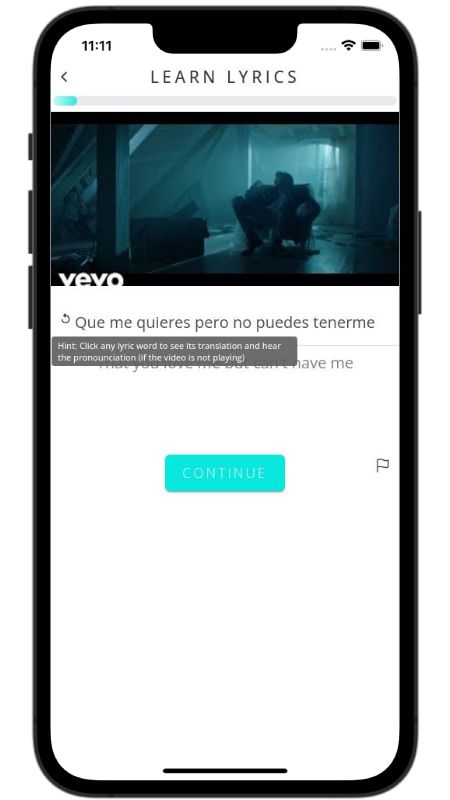
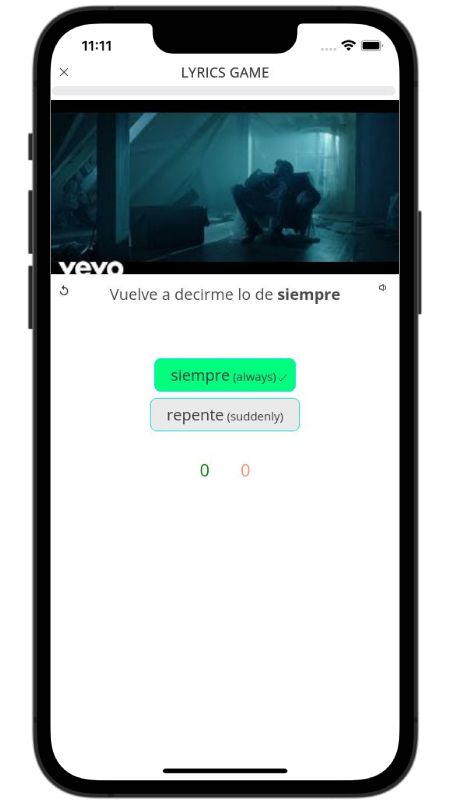
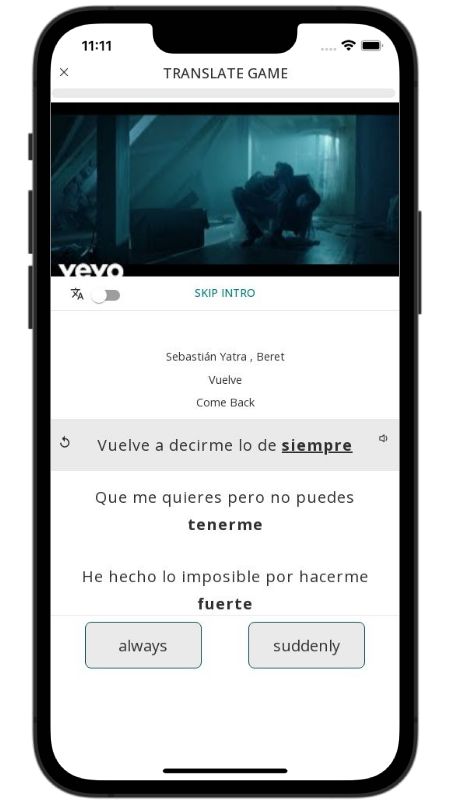
Have you ever stayed stuck on someone who tells you they love you, yet refuses to be with you? Colombian pop singer Sebastián Yatra and Spanish artist Beret build this entire track around that exact, maddening contradiction. The chorus hits you right in the chest with the plea: "Vuelve a decirme lo de siempre / Que me quieres pero no puedes tenerme" ("Come back and tell me the usual / That you love me but you can't have me"). It is a song about someone pleading for one more chance ("sólo quiero que lo intentes" ["I only want you to try"]), while dropping some remarkably sharp relationship advice: "las cosas que se cuidan no se tiran de repente" ("things you care for aren't thrown away suddenly").
Beyond the plea to return, the lyrics dig into the bitter thoughts you have while overthinking alone at night. Beret delivers some wonderfully blunt truths about life and bad advice, noting that "hasta quien te quiere te puede mentir" ("even someone who loves you can lie to you") to keep you pleasing others instead of being happy. Watch out for the colloquial phrase "ve a por todo" ("go for it all"), which leads into the singer's regretful twist: "y fui por ti" ("and I went for you"). You also hear the street contraction "to' va bien" (short for "todo va bien", meaning "everything's going well"). It is honest, a little stubborn, and painfully relatable if you have ever struggled to let someone go.