Carmen Lyrics in English by Stromae
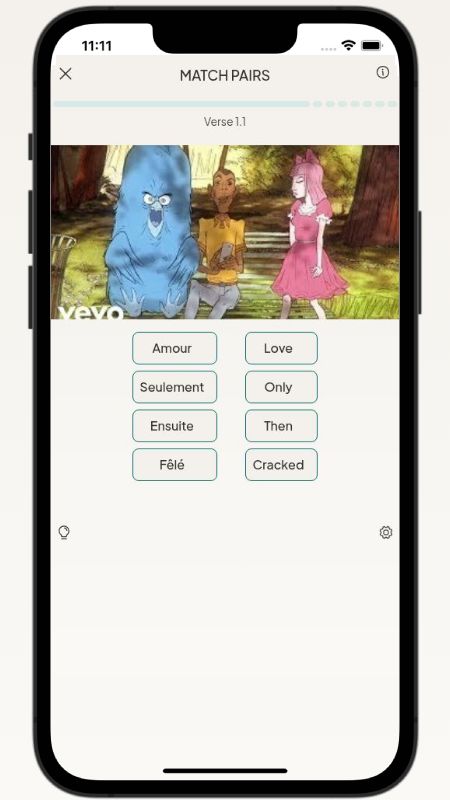
Fêlé is a fascinating French word that literally means "cracked," like a cup with a hairline fracture, but is commonly used as slang for "crazy" or "touched in the head."
In the lyric "On en devient fêlé, et on finit solo" (We become cracked, and we end up solo), Stromae uses this double meaning brilliantly: love on social media leaves you psychologically fractured—obsessively checking likes—while also hinting at the "cracked" fragility of a broken object. It's a vocabulary gem where a single word conveys both a mental state and a physical image of damage.
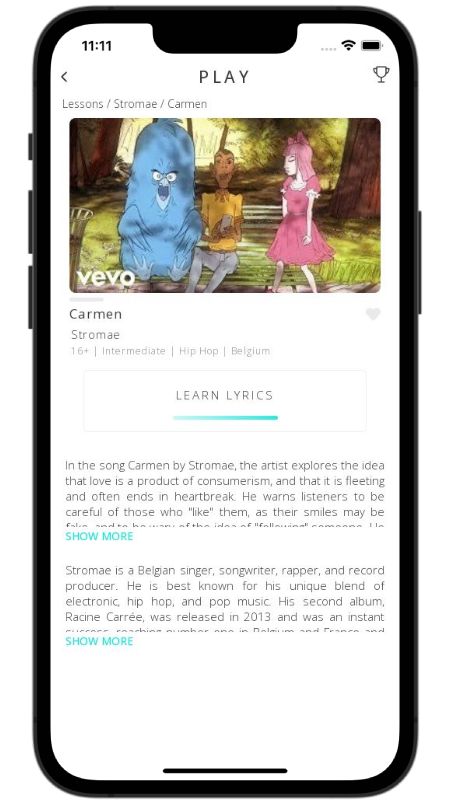
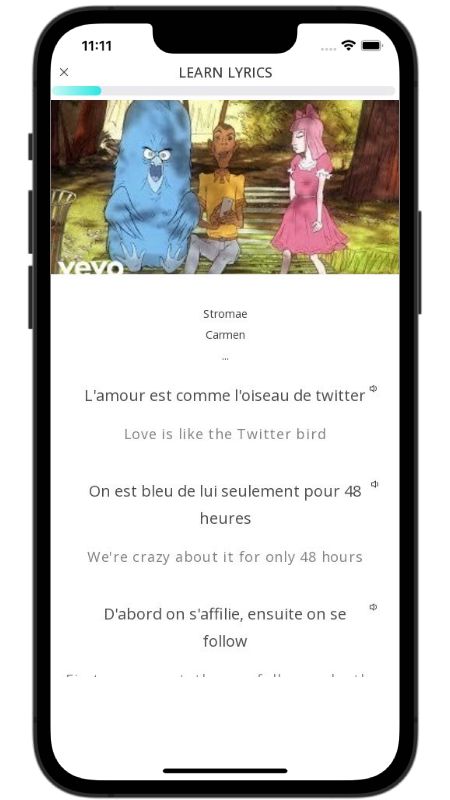
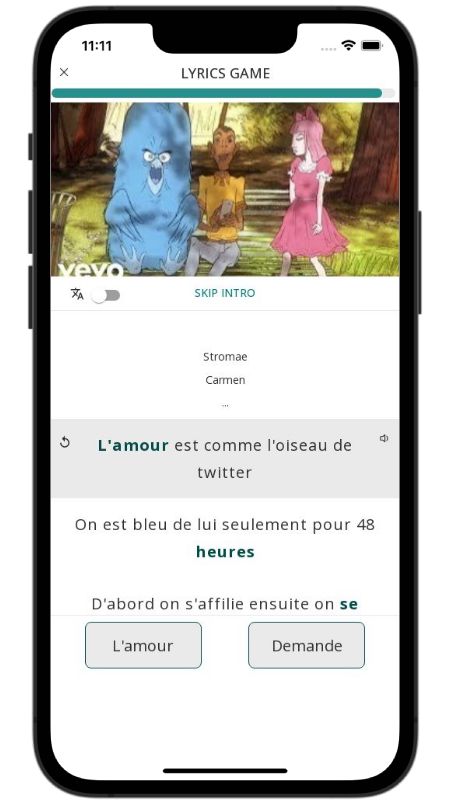
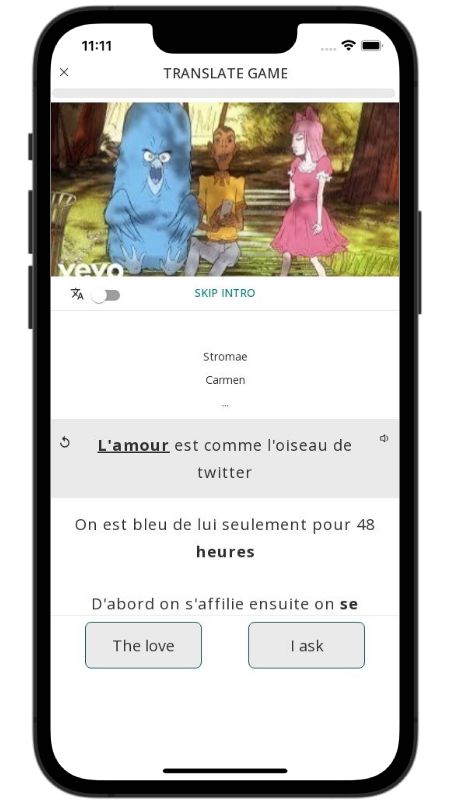
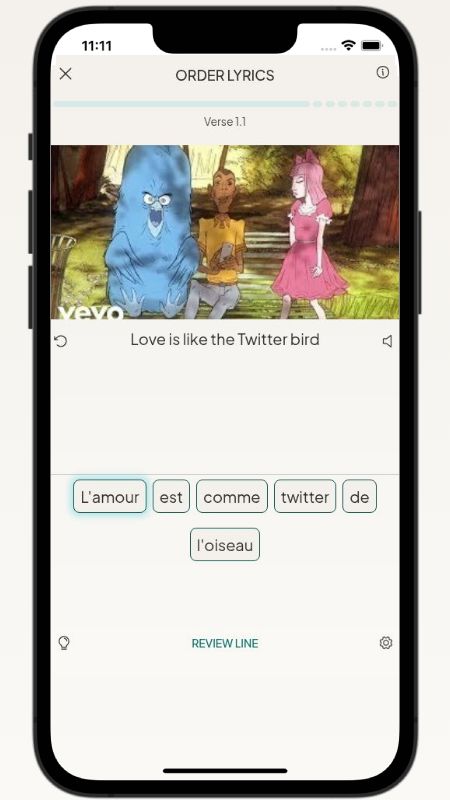
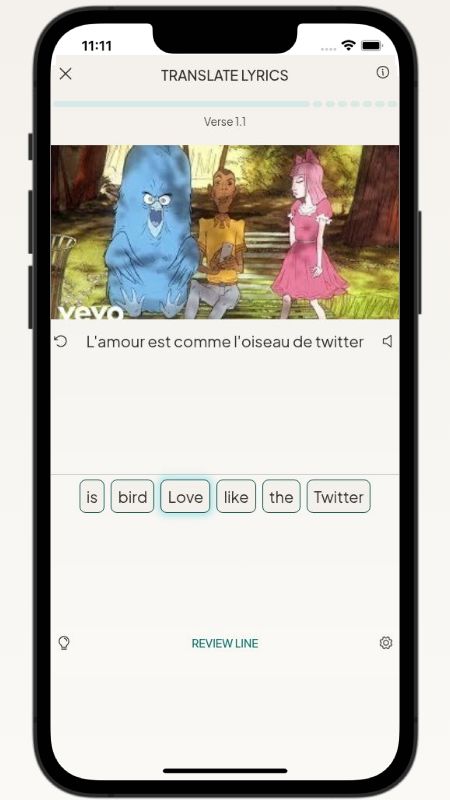
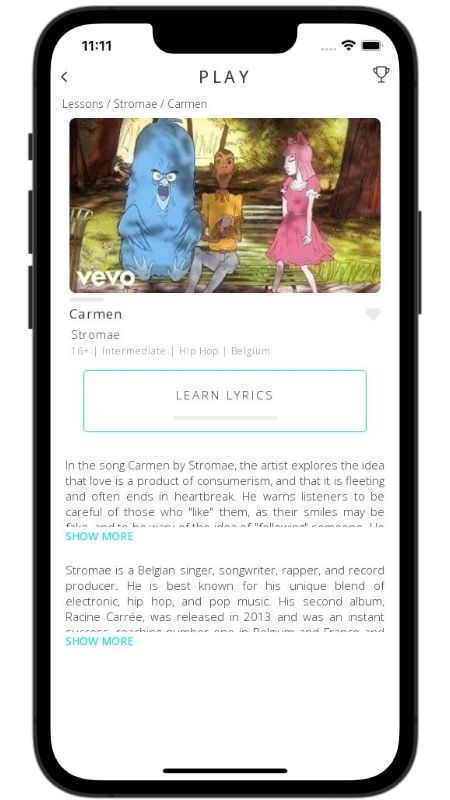
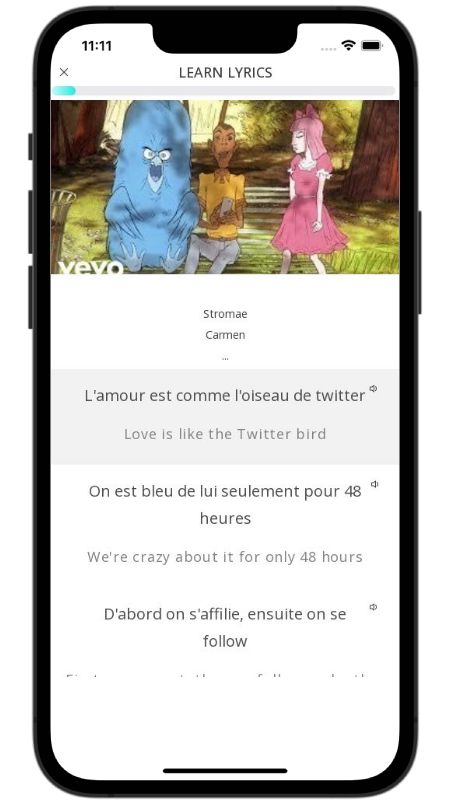
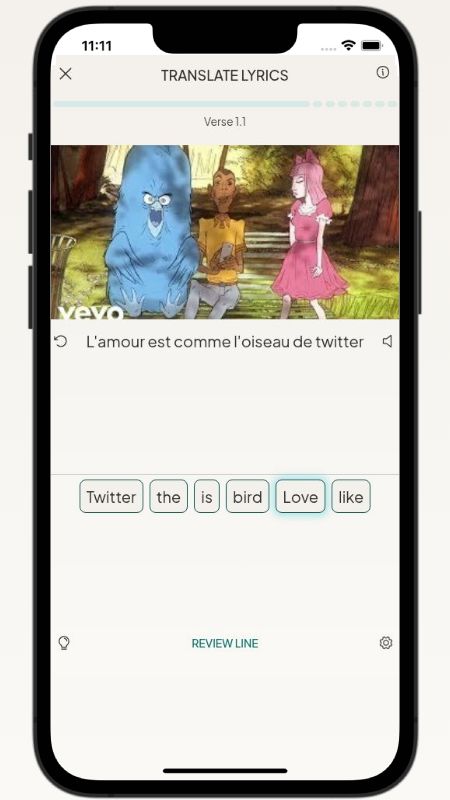
Belgian artist Stromae takes the famous melody of the opera Carmen and drags it kicking and screaming into the smartphone era. Instead of romance being a wild bird, he kicks off the track by declaring, "L'amour est comme l'oiseau de twitter" (Love is like the Twitter bird). He follows the modern romance cycle from the screen to real life: "D'abord on s'affilie, ensuite on se follow / On en devient fêlé, et on finit solo" (First we link up, then we follow each other / We go crazy from it, and we end up alone). The Belgian French slang fêlé literally means "cracked," but here it means losing your mind from online obsession. Stromae also plays with the idiom "être bleu de quelqu'un"—meaning to be madly in love with someone—punning directly on Twitter's signature blue logo when he warns that the high only lasts 48 hours.
The dance beat keeps pounding, but the lyrics get dark fast. He mocks social media clout, warning that fake smiles are just cheap hashtags and telling listeners that having followers doesn't mean you have real friends: "Vous faites erreur vous avez juste la côte" (You are mistaken, you are just popular / trendy). By turning the repetition of "qu'on s'aime" (that we love each other) into the identical-sounding "consomme" (consume), he equates modern dating to throwaway consumer culture. He even sings about "sentiments tombés du camion" (feelings that fell off the back of a truck), using the French phrase for stolen black-market goods. It is cynical, catchy, and brutally honest about how screens feed our vanity until we discard each other.