Quédate Lyrics in English by Beéle
Visaje is a super common slang word in Colombia. While it can mean 'to make a scene' or 'show off', here it's used as an exclamation to mean 'what a crazy situation!' or 'how weird!'.
In the song, Beele sings, "Qué visaje, cule' viaje" (What a scene, what a trip!), expressing his surprise and bewilderment at their intense and complicated relationship. Learning slang like visaje is a fantastic way to understand the culture and sound more like a native speaker.
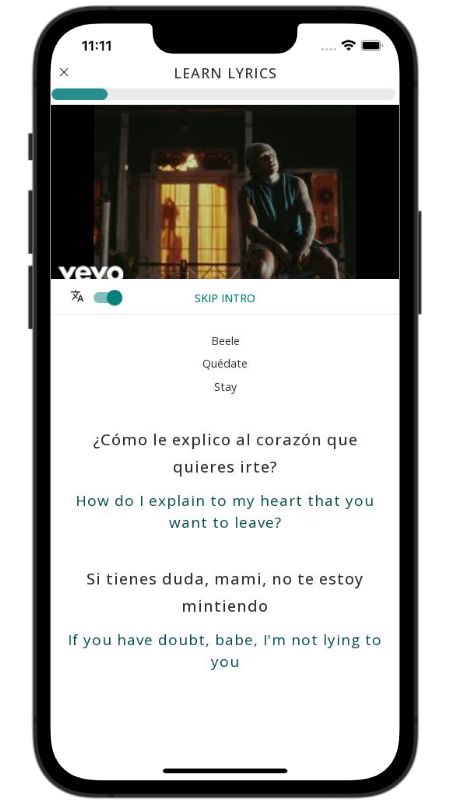
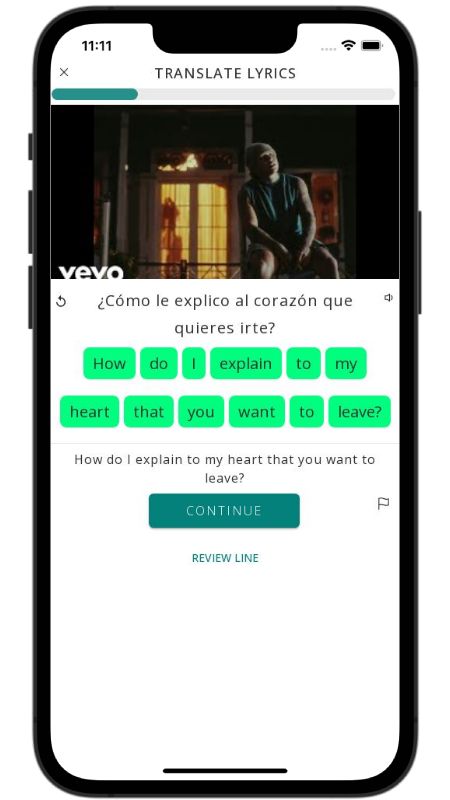
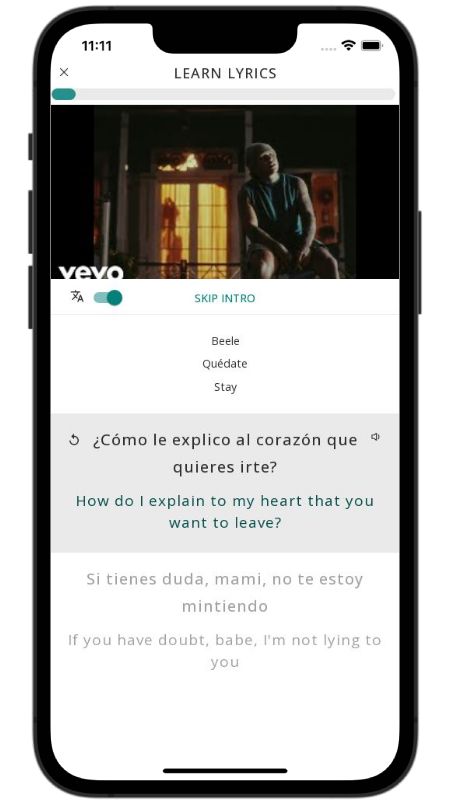
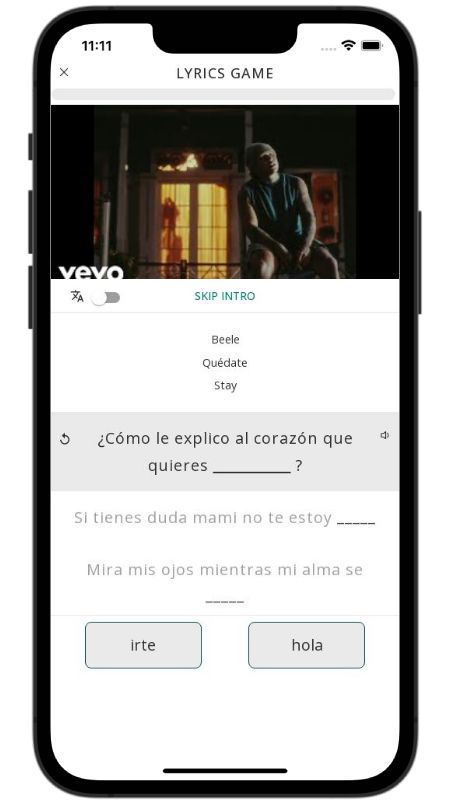
In "Quédate", Colombian singer Beéle lays out a desperate, late-night plea to keep a relationship from ending. He kicks things off by asking how he is supposed to explain to his own heart that she wants to leave: "¿Cómo le explico al corazón que quieres irte?" [How do I explain to my heart that you want to leave?]. From there, the track moves between intensely intimate memories and total panic over being left on read ("no me tira ni, 'hola'" [she doesn't even throw me a 'hello']). He insists their connection is bigger than logic, claiming they are bound to spend Christmas together ("Estamos destinados a juntos celebrar la Navidad") even if their bond went completely against universal laws.
What makes this track stand out is how Beéle sprinkles in hyper-local Colombian coastal slang to get his point across. When he gets ghosted, he admits he is stuck sitting alone overthinking with a massive belly full of anxiety: "yo aquí con cule' bartola" [me here with a huge belly / sitting around in a slump], where cule' is slang for "huge" and bartola refers to an idle, swollen state of brooding. He calls the chaotic drama a wild trip ("Qué visaje, cule' viaje" [What a weird situation, what a crazy trip]), and he caps off his pitch by telling her straight up, "tú eres la mondá" [you are the absolute best / the coolest thing ever]—a very blunt, vulgar coastal phrase used here as the ultimate compliment. It is needy, smooth, and full of distinct flavor.