Cavale Lyrics in English by Coeur De Pirate
Cavale literally means an 'escape' or 'flight', often used to describe a prisoner who is on the run. It's a dramatic and slightly edgy word that you won't hear every day.
In this song, Coeur de Pirate uses it in a beautiful metaphor: "mon coeur partait en cavale" (my heart was going on the run). This paints a vivid picture of her feelings as wild, unstoppable, and breaking free, adding a powerful layer of emotion to the story.
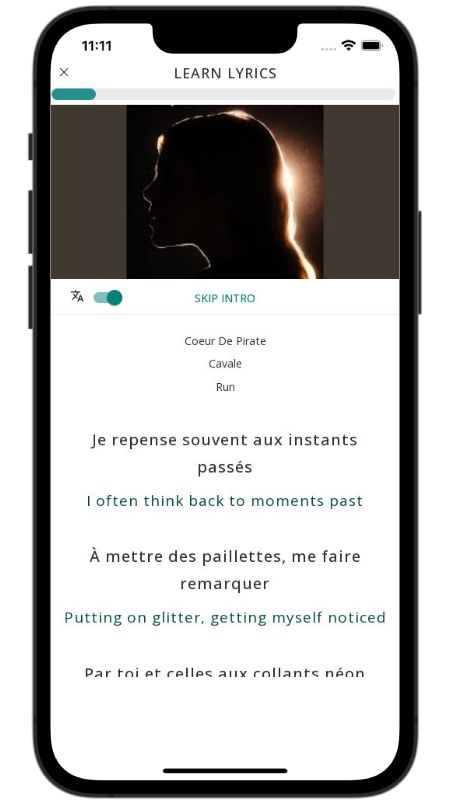
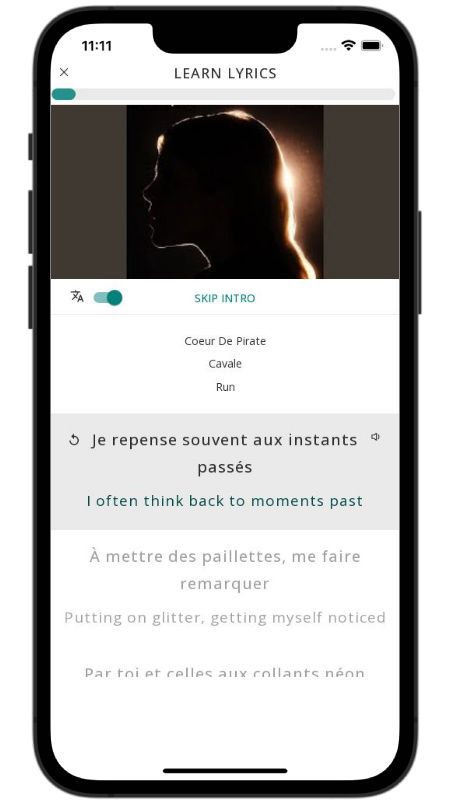
Canadian pop artist Cœur de Pirate looks straight back at the awkward, sparkling mess of teenage longing in "Cavale". She remembers coating herself in glitter ("mettre des paillettes" [putting on glitter]) just to catch the eye of someone with bright blue eyes and a blunt bob hairstyle ("Tes yeux de bleu, frange au carré"). Back then, she would ride public transit for hours just to spend a few minutes at their parents' house, competing for attention against girls in neon tights who screamed this person's name across the crowd. While she was melting with devotion, her crush acted as chilly and unmoving as an iceberg.
The turning point comes when feelings get real. In French, the title word cavale comes from the slang phrase en cavale, which means "on the run" like an escaped fugitive. The moment the crush realised her heart was bolting ("dès que tu as su / Que mon coeur partait en cavale"), they treated it like an excuse to jump ship ("saisi l'occas'", short for saisi l'occasion [grabbed the chance]) and slip away. Years later, they cross paths again. The former crush acts friendly, offers a hug, and marvels at how great she looks. But the tables have turned: now they are the one stuck wondering what could have been, left holding the bag of regret while pretending the spark was never there.