Tú Me Haces Falta Lyrics in English by Eddie Santiago
Edén refers to the Garden of Eden, a biblical paradise. It's a beautiful, poetic word used to describe a perfect, idyllic place or state of being.
In this classic salsa song, Eddie Santiago sings, "Yo no te prometí, nunca te prometí el edén" (I never promised you, I never promised you Eden). He uses this powerful image to be honest with his lover, admitting he isn't perfect and can't promise a flawless relationship. This makes his confession that he needs her ("tú me haces falta") feel even more sincere and profound.
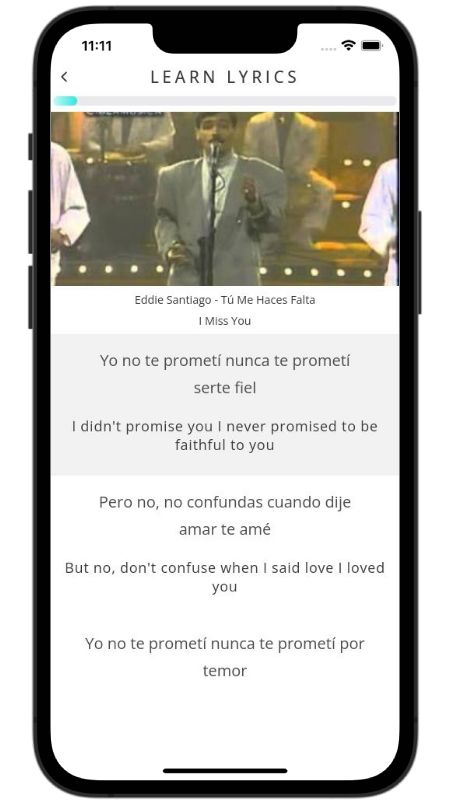
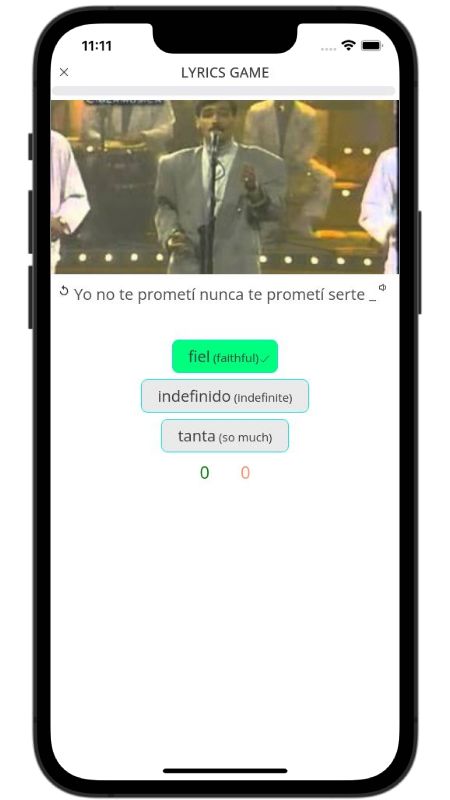
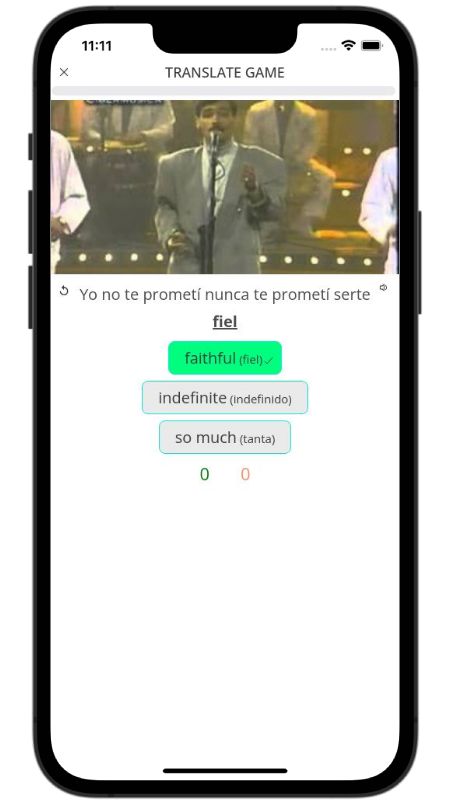
Puerto Rican salsa singer Eddie Santiago does not try to sugarcoat his flaws here. Right out of the gate, he comes clean with a pretty shocking confession: "Yo no te prometí nunca te prometí serte fiel" ("I didn't promise you, I never promised to be faithful to you"). He claims he kept his promises small out of fear of falling short ("por temor a fallar"). But while he never offered her paradise or eternity ("nunca te prometí el edén... nunca te prometí eternidad"), he insists that his feelings were real whenever he did say "I love you." It is a wildly blunt way to ask for someone back, but that honesty sets up the whole plea.
Now he is back at her doorstep because life alone is terrible. He admits "te extrañé lo admito y regresé" ("I missed you, I admit it, and I returned") because his empty nights feel like a ghost and a punishment ("las noches son un fantasma son un castigo"). The central phrase driving the entire groove is "Tú me haces falta", which translates to "I miss you," but literally means "you are lacking to me" or "you are necessary to me." Fueled by memories ("por el recuerdo de lo vivido"), he promises this return is for good ("esta vez por tiempo indefinido"), declaring that if he is going to have romance at all, it will only be with her: "Si tengo amores que sean contigo".