¿Cómo Pasó? Lyrics in English by Ela Taubert
Moría de ganas is a powerful Spanish idiom that literally translates to "I was dying of desire."
While moría means "I was dying," the full phrase is used to express an intense longing for something. In the song, the singer says, "Me moría de ganas que esto funcionara" (I was dying for this to work out), capturing her deep desperation to save the relationship.
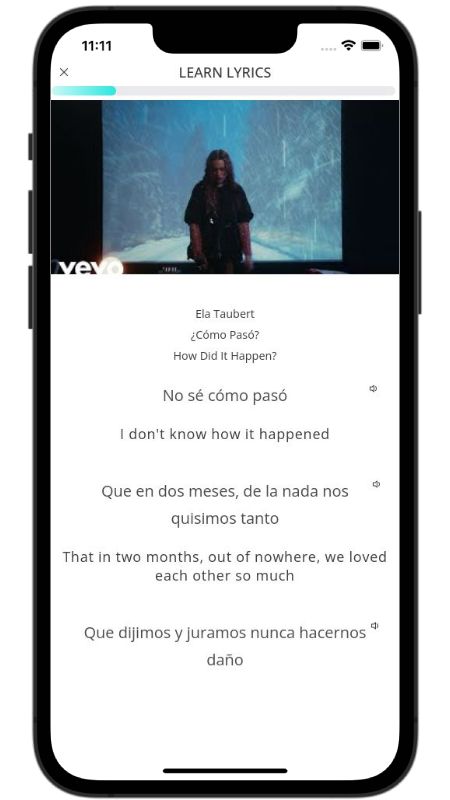
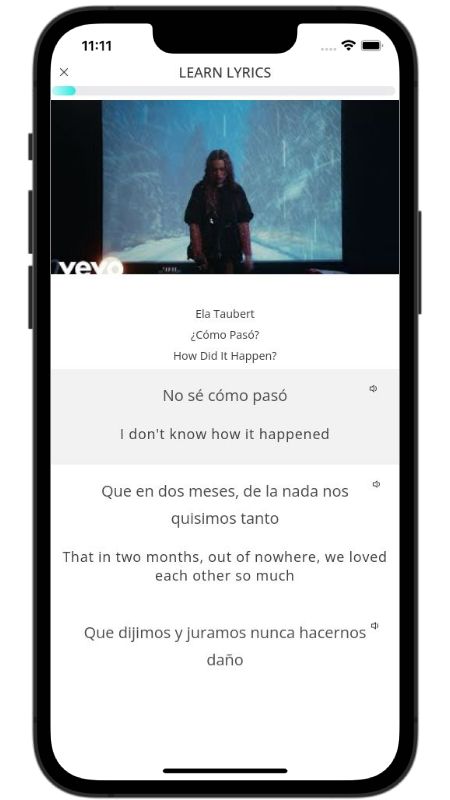
Have you ever fallen fast for someone, only to watch them disappear into thin air? Colombian singer Ela Taubert tackles that exact whiplash in "¿Cómo Pasó?" (How Did It Happen?). She starts by looking back at how intense everything felt after just two short months: "Que en dos meses, de la nada nos quisimos tanto" (That in two months, out of nowhere we loved each other so much). They promised never to hurt each other, but out of nowhere, the other person just vanished without an explanation: "Y sólo pasó que un día te fuiste, nunca volviste" (And it just happened that one day you left, you never came back).
The frustration hits hardest in the chorus, where she questions why giving up on love is always the easy route. She asks, "¿Por qué es más fácil siempre terminar que comenzar?" (Why is it always easier to end things than to begin?), especially when facing reality hurts: "Si es tan difícil aceptar que nada va a quedar" (When it's so hard to accept that nothing will remain). Ela vents about being the only one trying, bluntly delivering the harsh imbalance with "Yo dándolo todo y tú, nada" (Me giving everything and you, nothing). It is an honest pop track about being left halfway—"Dejarme con todo a la mitad" (Leaving me with everything half-done)—when you were so close to having it all.