CUÍDALA Lyrics in English by Grupo Frontera
Cuídala is the imperative form of the verb cuidar (to take care of, to look after), combined with the direct object pronoun la (her). It's a direct and powerful command.
In this song, the singer, who has lost his love, pleads with her new partner to "take care of her" because she is truly special. It's a poignant and memorable word that encapsulates the song's central theme of regret and the importance of cherishing someone unique.
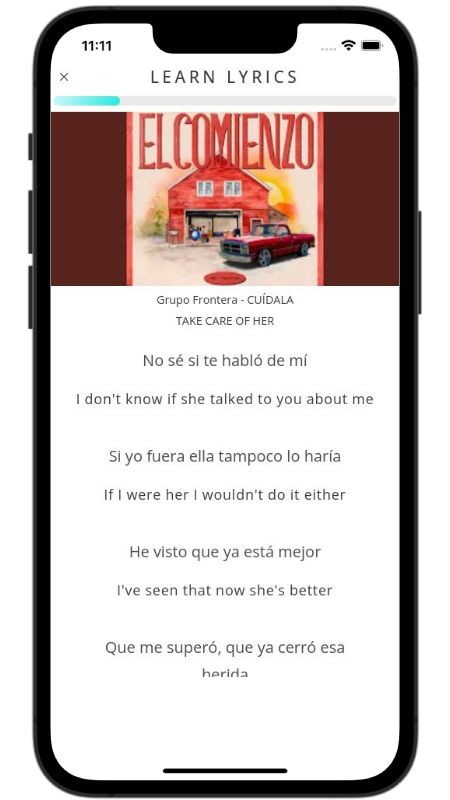
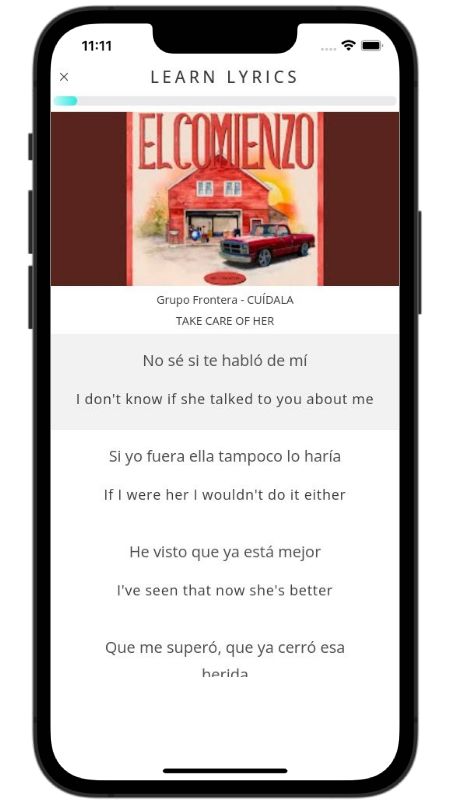
Ever messed up so badly with an ex that your only move left is giving advice to her new partner? That is exactly the uncomfortable conversation driving Grupo Frontera's "CUÍDALA". Instead of starting a fight with the new guy, the singer swallows his pride and admits defeat. He sees that she has healed, stating plainly: "Que me superó, que ya cerró esa herida" [That she got over me, that she already closed that wound]. In Mexican Spanish, saying someone te superó means they have completely moved past the breakup and left you in the dust. He points out a private, lingering reminder of their past: she hides a tattoo of half a heart, while "la otra mitad la tengo yo en mi espalda" [the other half I have on my back]. It is a permanent trace of an old bond, but he knows his time is up.
Now that another man has stepped in, the singer makes one direct plea: "Cuídala, que diosas como ella no existen ya" [Take care of her, because goddesses like her don't exist anymore]. He is remarkably blunt about his own failure. He calls himself an idiot and begs the newcomer not to repeat his mistake, warning: "El mundo no necesita otro idiota más / Que como yo se dé cuenta un día / Que perdió lo mejor que tenía" [The world doesn't need another idiot / Who like me realizes one day / That he lost the best thing he had]. It feels like overhearing an honest, bittersweet confession at a bar, watching someone cheer on their ex's happiness from a distance.