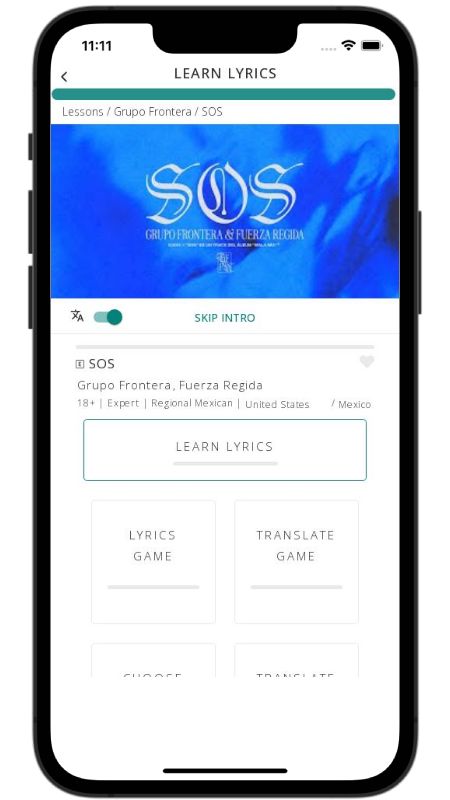
SOS Lyrics in English by Grupo Frontera, Fuerza Regida
Rosones is a clever and playful slang word. It's a play on the word rosas (roses), which the singer's ex receives from her new, 'tame' boyfriend.
Rosones can mean large, showy roses, but here it carries a double meaning of something more intense and passionate, like scratches or hickies from a rough-and-tumble romance. The singer uses it to contrast his wild love with the boring, conventional flowers from his rival.
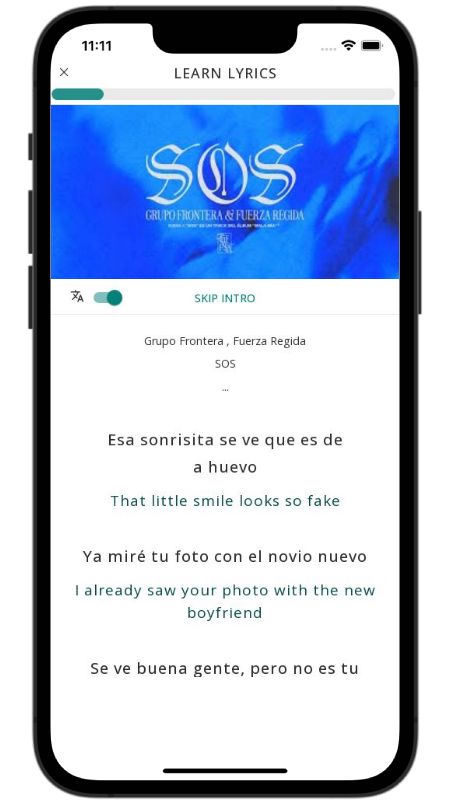
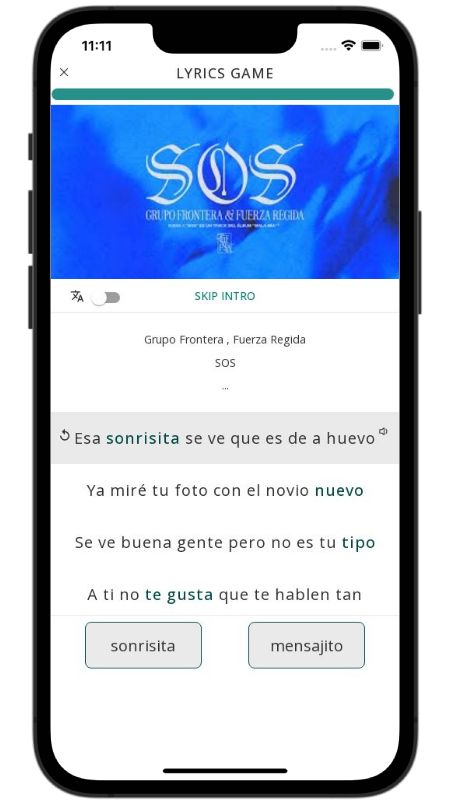
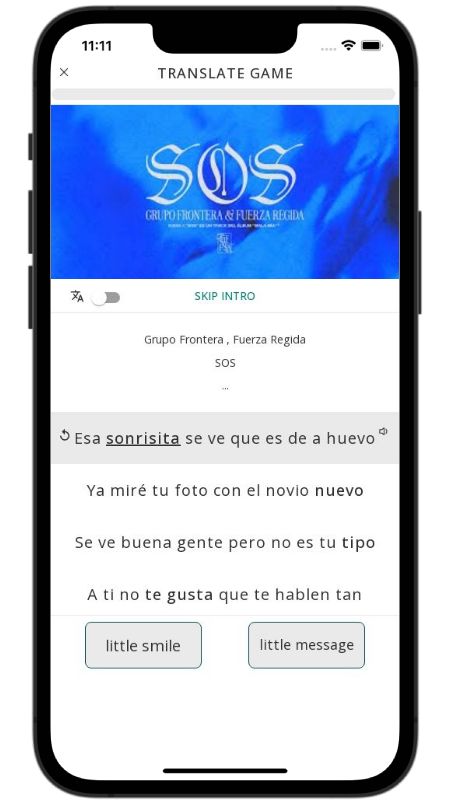
Have you ever looked at an ex's social media and immediately thought, "Yeah, you're faking it"? That is the exact vibe Grupo Frontera and Fuerza Regida bring in "SOS." Right from the first line, the singer calls out a fake smile in her latest photo with the new boyfriend: "Esa sonrisita se ve que es de a huevo" ("That little smile looks forced"). In Mexican slang, saying something is "de a huevo" means it is done against your will or out of sheer obligation. He insists the new guy might look like a nice fellow, but he is completely wrong for her. To him, her public image as a sweet, polite angel is pure fiction, and she actually misses the wilder, chaotic energy they shared.
The chorus delivers the main pitch: treat him like an emergency rescue hotline. All she has to do is text a distress signal: "Manda un SOS, que en diez le caigo" ("Send an SOS, and I'll drop by in ten minutes"). The Mexican phrase "caerle" simply means to show up or arrive somewhere fast. He plays on the classic saying "donde hubo fuego, cenizas quedan" (where there was fire, ashes remain) by putting his own blunt spin on it: "Dicen que si hubo fuego, a huevo quedó algo" ("They say if there was fire, damn right something was left behind"). Throw in cheeky contrasts like his lavish "ramos buchones" (extravagantly huge rose bouquets popular in northern Mexican culture) versus the new guy's basic flowers, and you get a bold, cocky track about offering an ex a quick escape from a boring relationship.