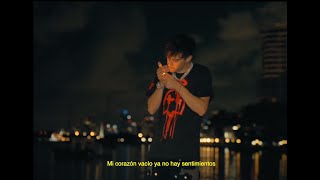
Pitbull Lyrics in English by Kidd Keo
Kidd Keo turns trap into a war film full of pirate flags, shooters, soldiers, and a “jungla de cristal” [glass jungle]. The repeated hook says, “Ando enamorao’ de la guerra” [I’m in love with war], then asks, “Cómo no voy a ser un pitbull cuando la vida es tan perra” [How could I not be a pit bull when life is such a bitch?]. Here, pitbull means a fierce survivor who refuses to back down. The Spanish slang keeps the hook direct: “¿O no es que no lo ves?” means “Or can’t you see it?”, as if the music should make his position obvious.
The verses build a hard-edged kingdom around that image. He calls himself “un rey bastardo” [a bastard king], saying he did not come from the top, while rivals are “plebeyos” [commoners] trapped in his game. He claims his reputation is protected by “los ángeles” [the angels], dressed in bandanas and carrying a dangerous instinct, then contrasts noble “blue blood” with his own codeine. The pirate flag, the “diablos de la zona” [devils from the area], and the line about having a plug with the devil make his crew sound like outlaws entering enemy territory. Yet there is a surprising artist’s touch: during wartime, he says he takes out his watercolor and writes poetry for his soldiers on the ground. That mix of threats, royal talk, and painting is what makes “Pitbull” feel larger than a simple boast.