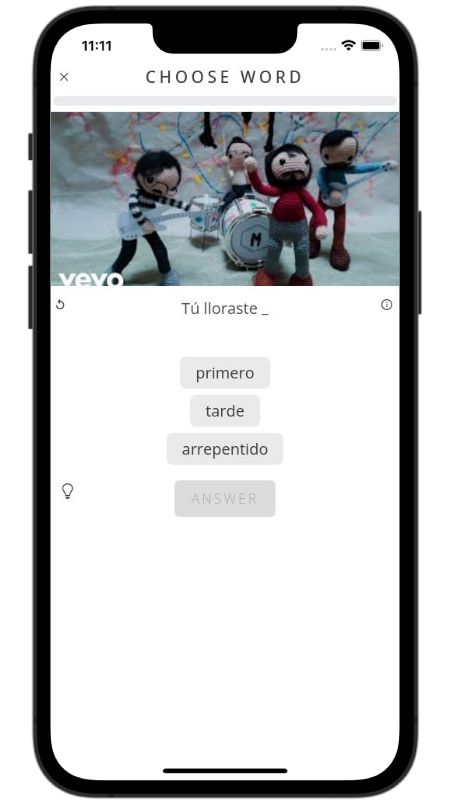
Nunca Te Olvidé Lyrics in English by Morat
Arrepentido means deeply regretful or repentant, and it's packed with intense emotion. It's a more powerful and specific term than the common lo siento, as it conveys a profound sense of remorse and guilt for a past action.
In this song, the singer repeatedly emphasizes "Estoy tan arrepentido" (I am so regretful) for letting his pride and cowardice ruin the relationship. This word is the emotional core of the entire song, capturing the painful realization of having made an irreversible mistake, making it a very compelling word to learn.
Ever let pride ruin a great relationship, only to realize your mistake months down the road? That is the exact mess Colombian folk-pop group Morat unpacks in "Nunca Te Olvidé". The narrator admits he was a coward who stayed away out of sheer stubbornness, realizing his apology came three months too late ("Ya eran tres meses muy tarde" [It was already three months too late]). He ignored her calls ("me hice el sordo con tu voz" [I turned a deaf ear to your voice]) to save his pride, and now he is paying the bill with bad dreams and scraped knees from begging for another chance ("Ni raspadas las rodillas por rogar ante tus pies" [Nor scraped knees from begging at your feet]).
There is a great turn of phrase worth watching for here: "nuestra historia ya no cuelga de un tal vez" (our story no longer hangs by a maybe). It means their romance does not even have the frail hope of a 'maybe' left to cling to; she has moved past the stage where hearing his name even rattles her. Still, he holds on to the wish that if she dares to come back, she will realize without him saying a word that he never forgot her ("Que nunca te olvidé"). It is dramatic, painfully honest about male ego, and packed with everyday phrases you can use when you owe someone a massive apology.