No Me Dijeron Lyrics in English by Santa Fe Klan, Yoss Bones
Atormentó comes from atormentar, meaning “to torment” or “to cause deep distress.” In the song, “lo que en mi vida atormentó” refers to the painful experiences and struggles that have troubled him throughout his life.
It is a vivid, emotionally powerful verb and a great example of how Spanish expresses suffering with more intensity than the everyday word molestó (“bothered”).
“No Me Dijeron” is about finding your direction without being given one. The speaker comes from a place where people did not recognize his worth, yet he refuses to stay there: “No me dijeron nunca para dónde voy” [They never told me where I’m going]. His answer is to work for what he wants, earn respect, and repair the empty places in his life: “Solo quiero llenar lo que en mi vida me faltó” [I only want to fill what was missing in my life]. He also remembers hunger, saying that before reaching his goals, there were days when he could not eat. That detail makes his ambition feel practical, not decorative. He wants a better future for his people and enough money to have “muchos ceros” [many zeros] in his bank account.
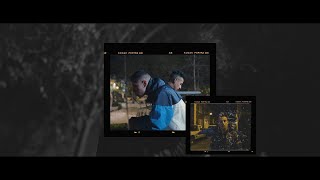
The song has a fighter’s attitude, but it is not only about picking fights. “No bajamos los guantes” [We do not lower our gloves] means he will not give up, while “pa’l que ande en busca de joder” [for anyone looking to cause trouble] warns people not to test him. At the same time, he gives respect to those who helped him and says his rhymes come “del corazón” [from the heart]. The later images move from a difficult night, with alcohol and cold after three in the morning, toward sunrise: “Otra vez el sol salió” [The sun came out again]. That shift fits the song perfectly. He does not know exactly where he is going, but he knows he started from zero, remembers who supported him, and plans to keep moving.