Ojos Tristes Lyrics in English by Selena Gomez, benny blanco, The Marías
Amaneció is the past tense of the verb amanecer, which literally means "to dawn," like the sun rising to start a new day. It’s a beautiful word on its own, but its use in this song is what makes it truly special.
Selena Gomez uses it metaphorically, singing, "Tristeza en mí amaneció" (Sadness dawned in me). Instead of just saying she became sad, she paints a picture of sadness arriving with the same finality as a new morning, marking the beginning of a new emotional state. This poetic twist makes the feeling of heartbreak much more profound.
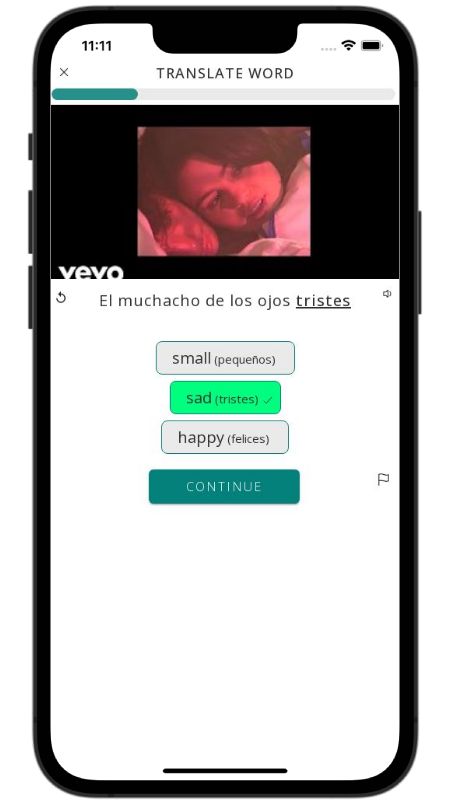
Saying goodbye hurts, but watching the other person fall apart right in front of you hurts even more. In "Ojos Tristes", Selena Gomez and The Marías lean into a bittersweet farewell where one partner has to leave even though they hate seeing those "sad eyes, sad eyes". The chorus pulls directly from Jeanette's classic 1980s Spanish ballad, telling the story of "el muchacho de los ojos tristes" ("the boy with the sad eyes") who lives alone and needs love just like he needs air to breathe. It contrasts a tough, tearful departure in English with a romantic Spanish daydream about wanting to make those sorrowful eyes laugh again with sweet kisses.
Then the mood shifts with a sharp realization about time passing. The singer admits that two years have gone by, yet the memory of this romance still lingers across every sense: "Han pasado dos años / Te sigo pensando en todos mis sentidos" ("Two years have passed / I keep thinking of you in all my senses"). There is a clever, poetic flip in the imagery here. Earlier in the relationship, it was his eyes crying like autumn rain, but now the roles have swapped: "Antes eran tus ojos lloviendo en otoño / Y ahora son los míos" ("Before it was your eyes raining in autumn / And now it's mine"). It delivers an honest, bilingual look at lingering regret and heartbreak that refuses to fade.