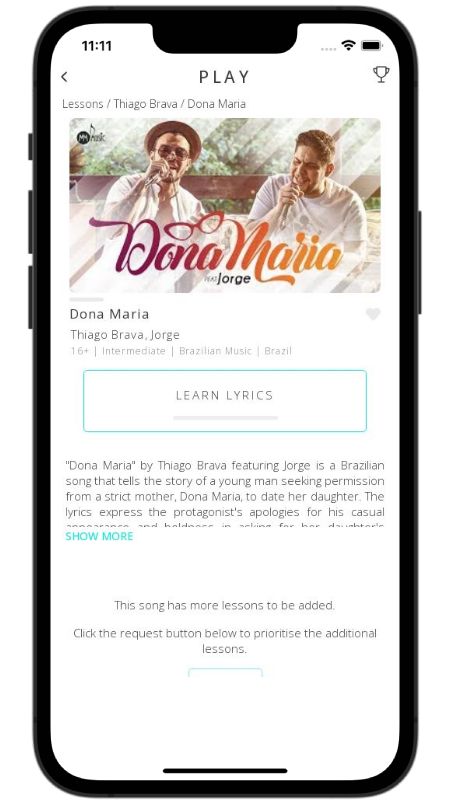
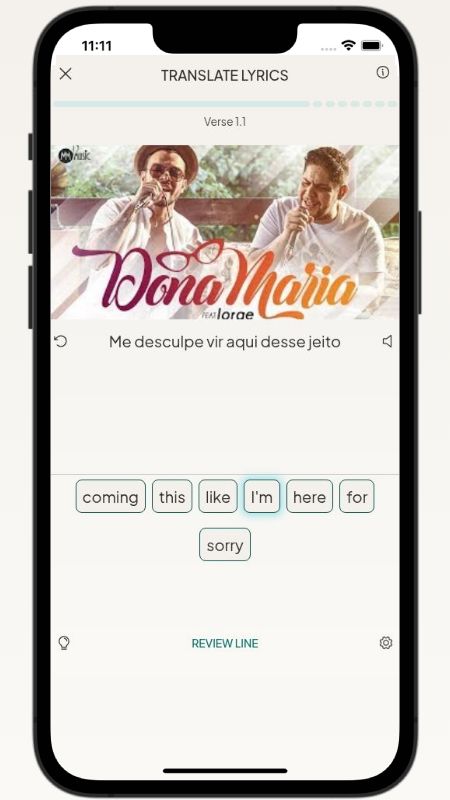
Dona Maria Lyrics in English by Thiago Brava, Jorge
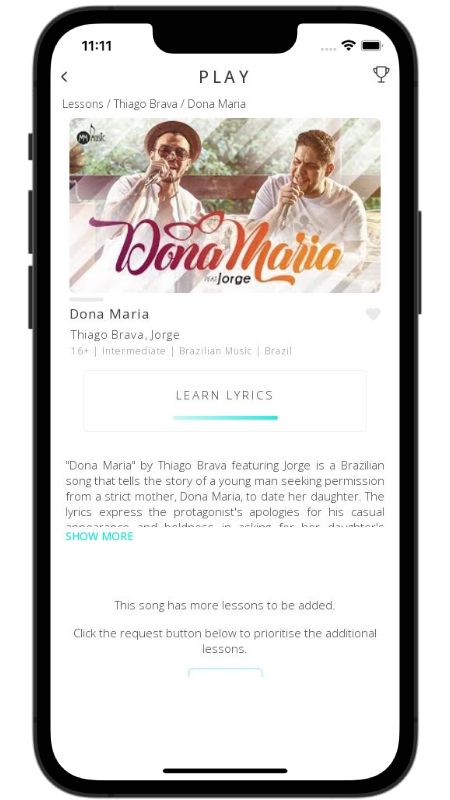
Maloqueiro is a classic Brazilian slang term. While it can translate to "thug" or "hooligan," it's often used more playfully to describe someone with a distinct street style, like baggy clothes and a backwards cap.
In "Dona Maria," the singer apologizes for his "traje de maloqueiro" (rascal's outfit). He's using the word in a self-deprecating way to charm his girlfriend's intimidating mother, showing that despite his appearance, his intentions are good. It's a perfect word to understand the song's playful and romantic tone.
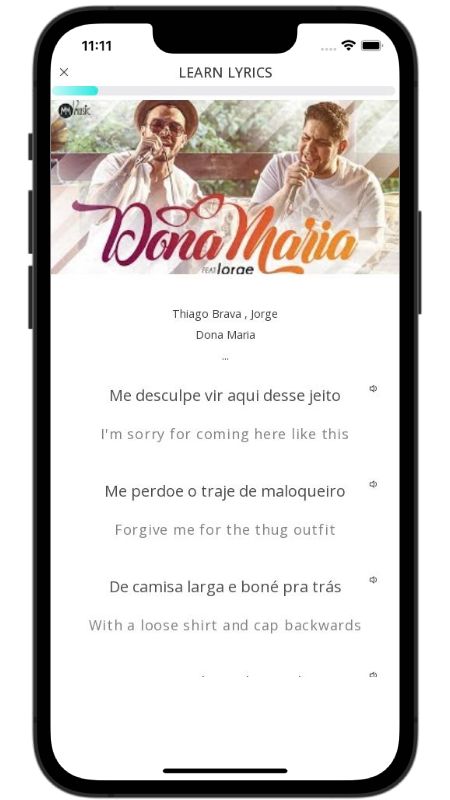
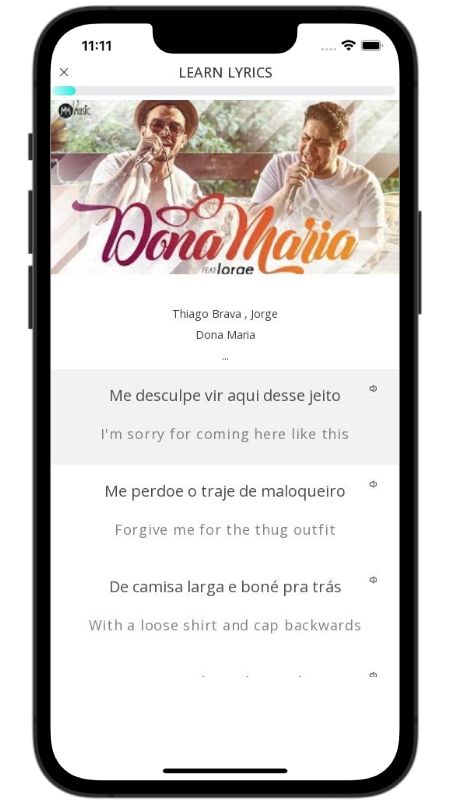
Picture the nerve on this guy: he knocks on a mother's door right in the middle of her favorite soap opera (bem na hora da novela que a senhora gosta mais), wearing an oversized shirt and a backwards cap (traje de maloqueiro, slang for a scruffy, street-style look). Thiago Brava and Jorge turn this awkward family visit into an infectious sertanejo plea. He has not slept properly in three days because he is so infatuated, and even though the daughter warned him that her mother has a fierce temper (a senhora é brava), he announces that he simply refuses to take "no" for an answer today.
The chorus is where the charm peaks as he tries to win the mom over with ridiculous flattery. He begs for permission to date her (Dona Maria, deixa eu namorar a sua filha) and excuses his boldness (vai me desculpando a ousadia) before dropping the ultimate pickup line: he calls the daughter a sketch in the sky that God made before throwing the paintbrush away (que Deus pintou e jogou fora o pincel). It is playful, shamelessly dramatic, and shows that sometimes a bit of good humor is your best shot at winning over a future mother-in-law.