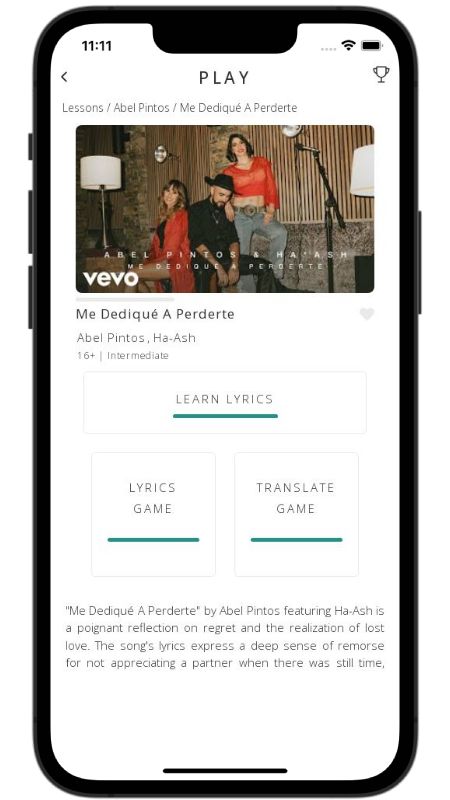
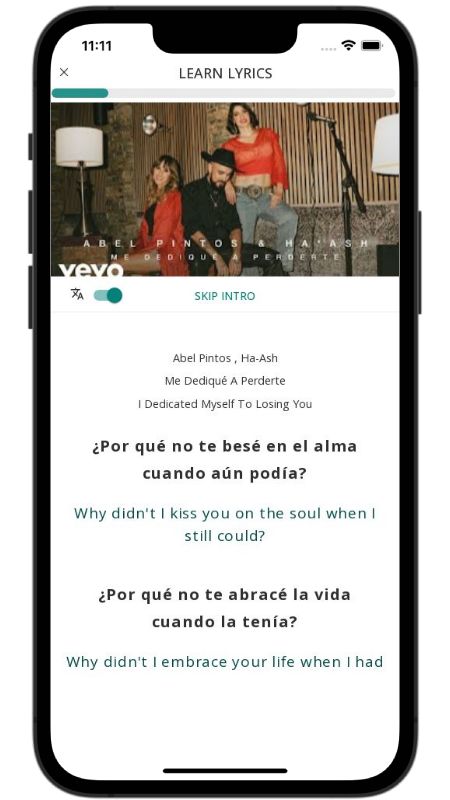
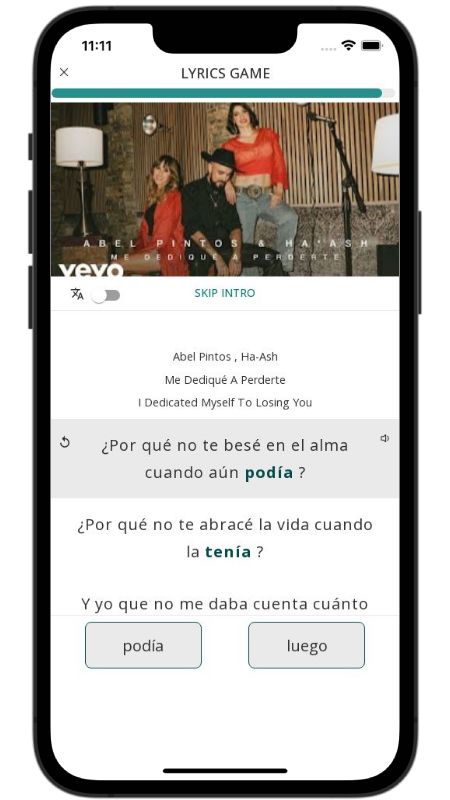
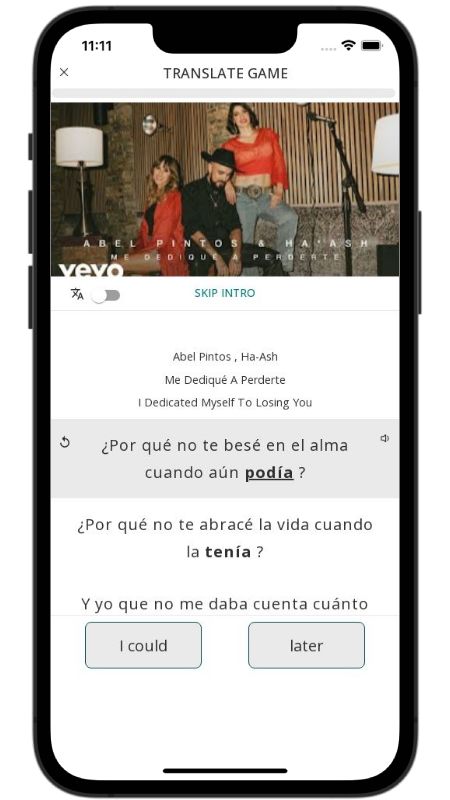
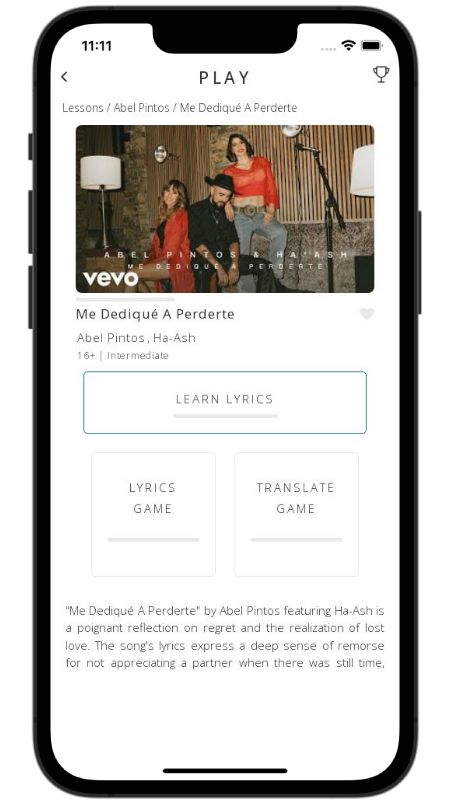
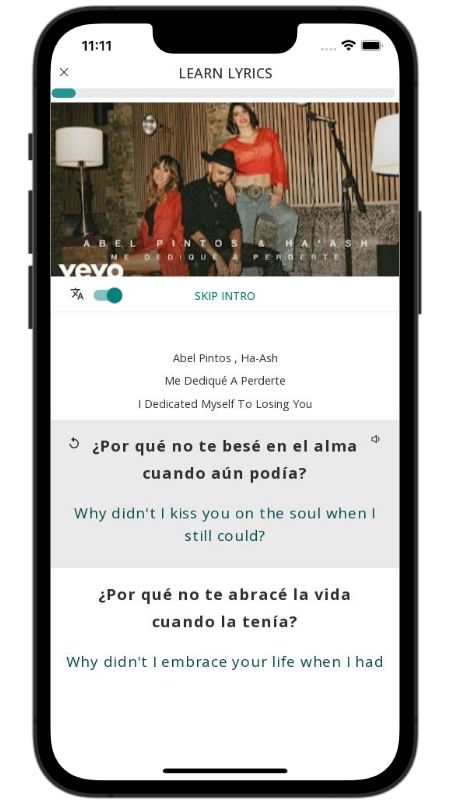
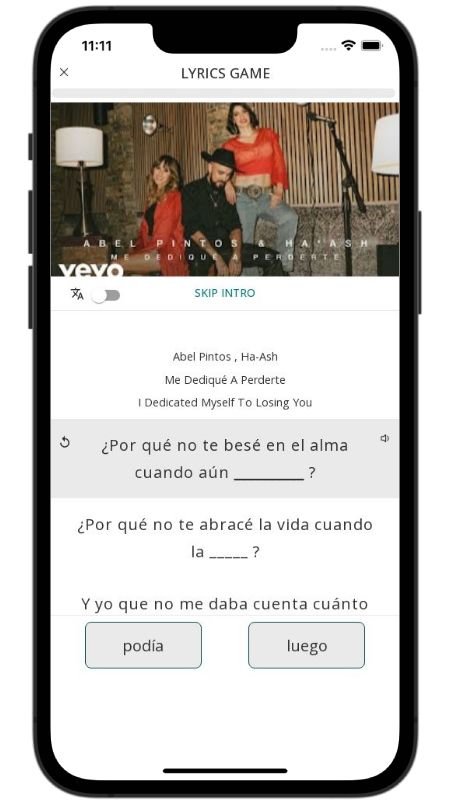
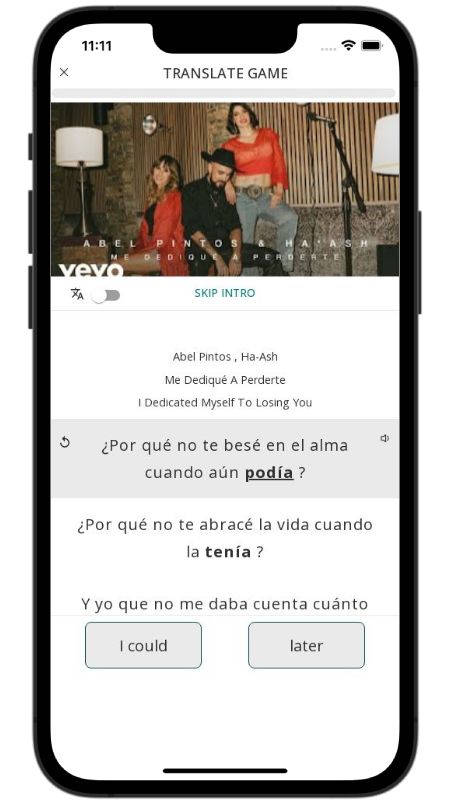
Me Dediqué A Perderte Lyrics in English by Abel Pintos, Ha-Ash
Dediqué comes from the verb dedicar, meaning 'to dedicate' or 'to devote'. While it seems straightforward, its use in this song is quite ironic and poignant.
The title itself, "Me Dediqué A Perderte" (I Dedicated Myself To Losing You), highlights this irony. The singer 'dedicated' his efforts not to love, but to neglecting and ultimately losing his partner. This twist on a common verb makes it memorable and central to the song's theme of regret and missed opportunities.
Have you ever sabotaged your own happiness and only realized it when it was far too late? That is the exact gut punch Argentine singer Abel Pintos and Ha-Ash deliver here. In "Me Dediqué A Perderte", the singer is not blaming bad luck or a cruel twist of fate; he takes the blame square on the chin. The title translates directly to "I dedicated myself to losing you", which sounds absurdly deliberate. He did not cheat or walk out dramatically. Instead, he just tuned out. He asks painful questions like, "¿Cómo es que nunca me fijé que ya no sonreías?" ("How did I never notice that you weren't smiling anymore?") and "antes de apagar la luz, ya nada me decías" ("before turning off the light, you didn't say anything to me anymore"). It is a song about quiet, gradual neglect.
The real culprit shows up midway through: "Te dejé para luego / Este maldito ego" ("I saved you for later / This damned ego"). The Spanish phrase "dejar para luego" literally means "to leave for later"—essentially putting someone on the back burner. He admits, "me encerré en mi mundo" ("I locked myself in my world"), convinced the other person would just wait around forever. But by the time he finally came to his senses, the spark was dead: "descubrí que ya mirabas diferente" ("I discovered that you already looked [at me] differently"). If you want to practice Spanish verbs that describe regret, missed chances, and pulling away, this track gives you an honest masterclass in how pride can quietly ruin everything.