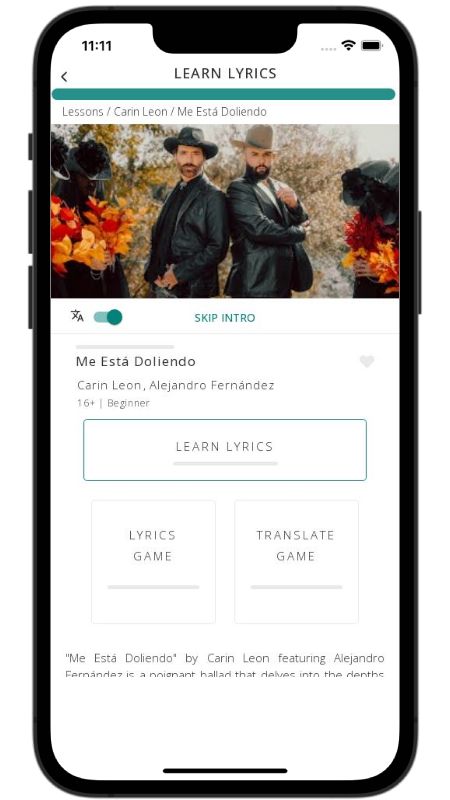
Me Está Doliendo Lyrics in English by Carin Leon, Alejandro Fernández
Orgullo means "pride", but it often carries a more complex meaning in Spanish, touching on dignity and even stubbornness.
In this song, Carin Leon sings "No sé por qué el orgullo cuando tomo se tira a perder", which means "I don't know why my pride goes out the window when I drink". He's describing the internal battle of trying to maintain his dignity after a breakup, but losing that fight when he's vulnerable. It's a powerful word that perfectly captures the song's theme of heartbreak and regret.
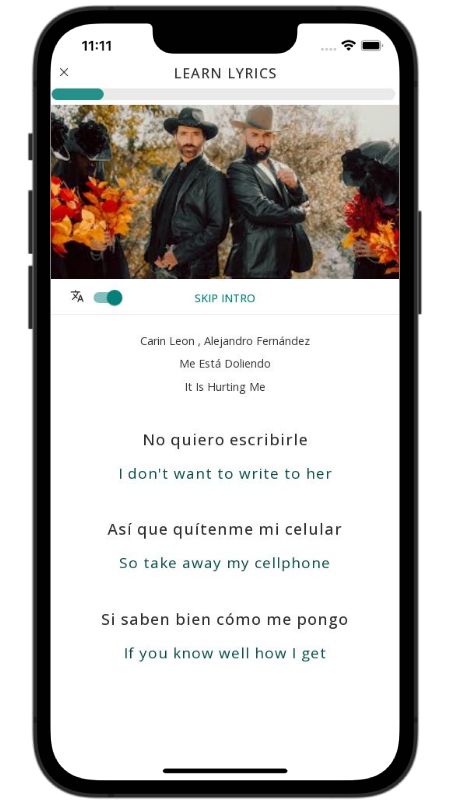
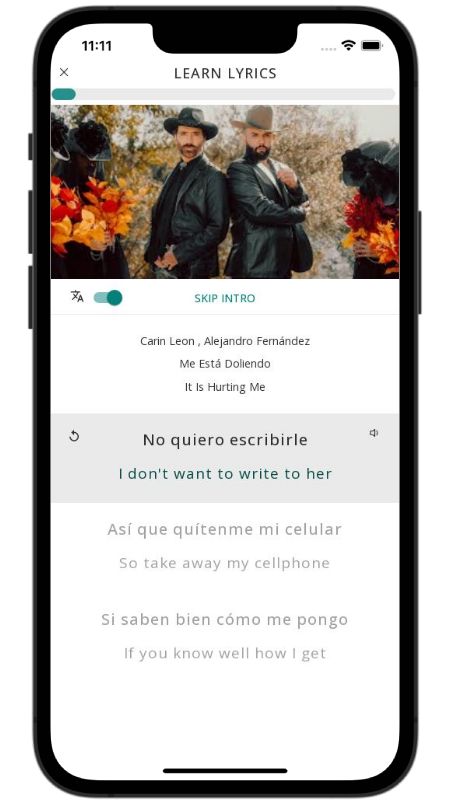
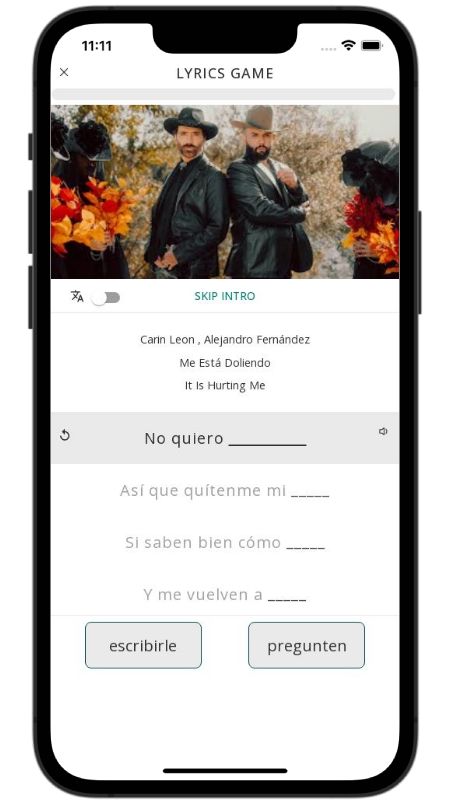
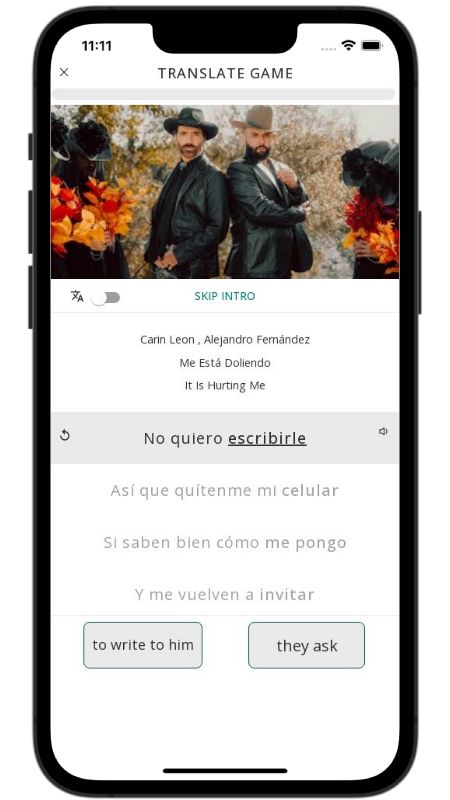
We have all been there: you have had a few drinks, your common sense completely vanishes, and your phone turns into a dangerous weapon. In this Regional Mexican duet, Mexican artist Carin Leon teams up with Alejandro Fernández to deliver a totally blunt post-breakup anthem. The track kicks off with immediate self-awareness as the singer begs his friends to intervene: "No quiero escribirle así que quítenme mi celular" ("I don't want to text her so take my phone away"). He even jokes about his own lack of self-control with the classic party phrase "Si saben bien cómo me pongo y me vuelven a invitar" ("You know how I get and you still invite me"). He admits that alcohol completely destroys his pride ("el orgullo cuando tomo se tira a perder"), leaving him completely exposed and desperate to reach out to his ex.
What makes the track stick is how plainly it admits defeat. There is no subtle texting game here; he drops all hints with "no lo digo en indirecta aquí te estoy extrañando" ("I'm not saying this as a hint, I'm missing you right here"). He sums up his hopeless condition with a great, down-to-earth contrast: "Para amarte salió bueno / Pa' olvidarte salió malo" ("When it came to loving you, my heart was good at it / When it came to forgetting you, it turned out bad"). He knows nobody else's hugs will fix him, so he lays all his pain out in the open.

















![La Boda Del Huitlacoche [Live] Lyrics Translation](https://img.youtube.com/vi/6AJ1H63KLWc/mqdefault.jpg)