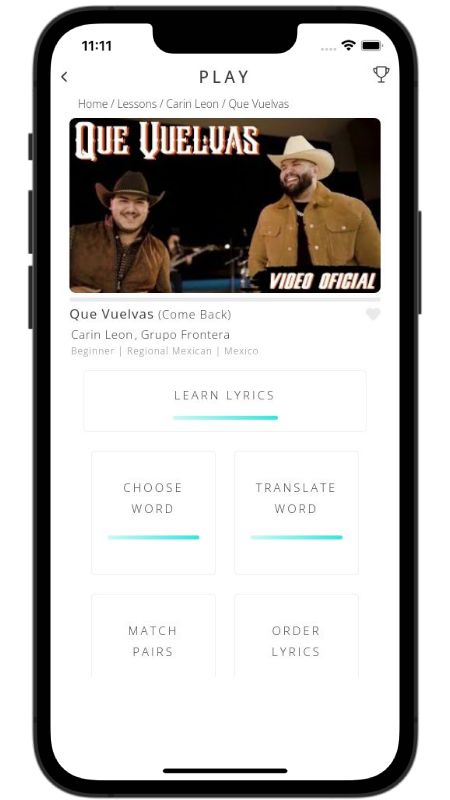
Que Vuelvas Lyrics in English by Carin Leon, Grupo Frontera
Quedar en visto is a modern slang phrase that literally means 'to be left on seen'. It’s the Spanish equivalent of being 'left on read', a feeling every texter is familiar with!
In the song, the artist sings about deleting messages to avoid this specific type of digital rejection: "Pa' quedar en visto, ese mal rato, mejor me lo ahorro" (To be left on read, that bad time, I'd rather save myself from it). It’s a perfect example of how modern language captures the specific pains of today's relationships.
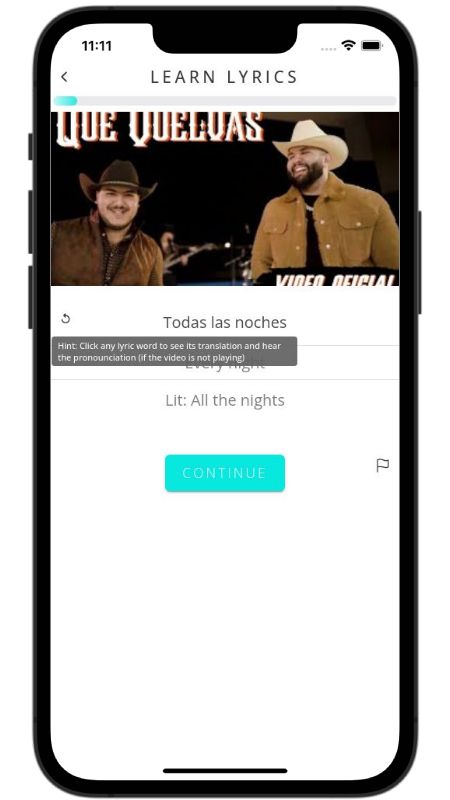
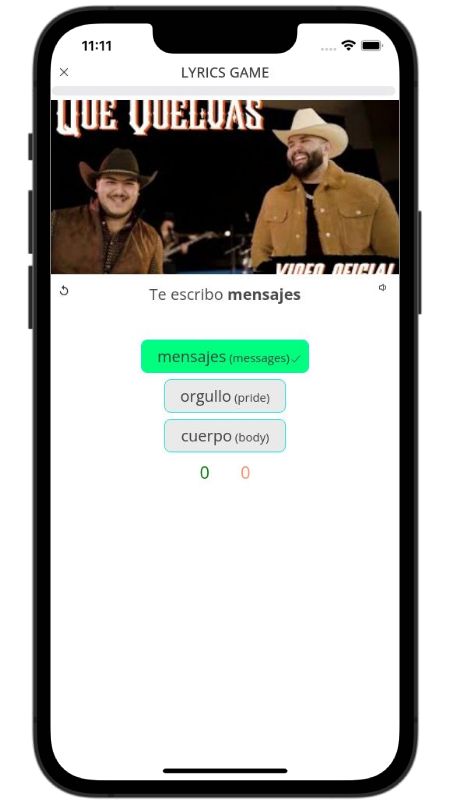
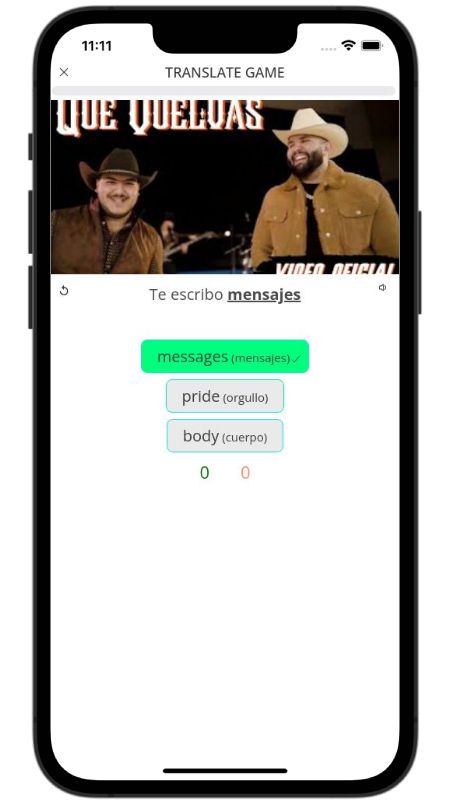
Ever typed out a late-night text to your ex, stared at the screen, and deleted the whole thing? That is the exact battle Mexican artist Carin Leon and Grupo Frontera tackle in "Que Vuelvas" (Come Back). The narrator sits awake typing messages every single night ("Te escribo mensajes todas las noches"), but deletes them because he refuses to get "left on read" ("Pa' quedar en visto / Ese mal rato mejor me lo ahorro" [To get left on read / I'd rather save myself that bad time]). The phrase "quedar en visto" literally translates to "stay in seen," describing that tiny checkmark showing someone saw your message and ignored you. It is a stubborn, painfully modern struggle between big ego and real heartache: his pride weighs heavily on him ("Mi orgullo es tan grande y abajo me pesa"), and he refuses to humiliate himself, yet he still wants his ex to know how he feels.
The chorus hits with a simple, sharp contrast: "Deberías estar aquí, aquí donde te quiero / Pero, al contrario, estás allá donde te extraño" (You should be here, here where I love you / But on the contrary, you are over there where I miss you). He admits he desperately wants them to come back, begging them to return life to his empty shell: "Para que a mi cuerpo el alma le devuelvas" (So that you give my body its soul back). It is a direct and catchy track about nursing a bruised ego while quietly wishing for a second chance.

















![La Boda Del Huitlacoche [Live] Lyrics Translation](https://img.youtube.com/vi/6AJ1H63KLWc/mqdefault.jpg)