Hasta La Piel Lyrics in English by Carla Morrison
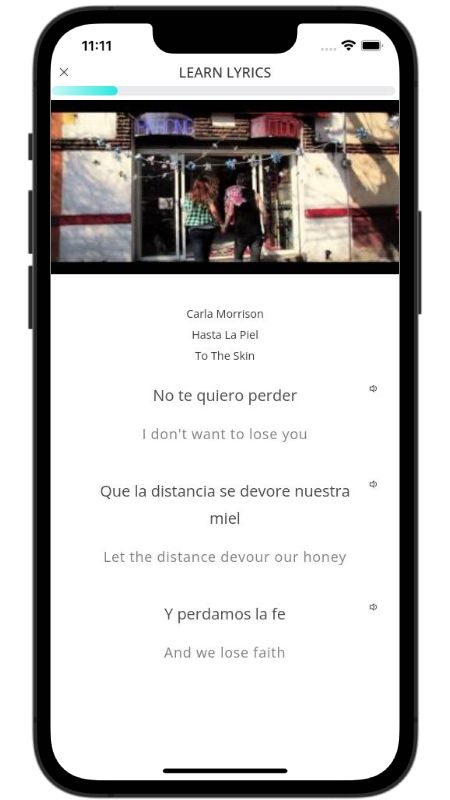
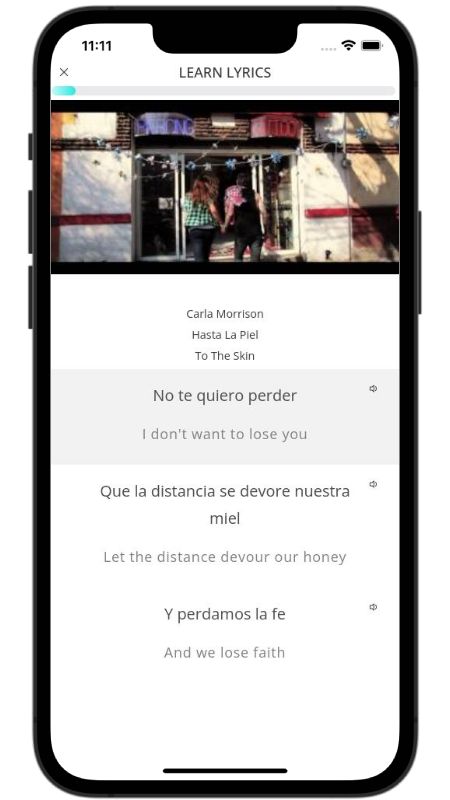
Devore comes from the verb devorar, meaning “to devour” or “to eat up.” Here it’s in the Spanish subjunctive, painting a vivid image of distance that might “devour our honey” (se devore nuestra miel).
It’s a dramatic, almost visceral word you don’t hear in every love song, making it a memorable hook for learners while also introducing them to the expressive power of the subjunctive mood.
Mexican alternative songwriter Carla Morrison gets right to the point: loving someone can hurt physically. In Hasta La Piel, she is caught in a messy emotional knot. She dreads distance eating away their sweetness, singing Que la distancia se devore nuestra miel ("That distance devours our honey"). Yet having the person around scares her just as much, because getting used to them means risking an even sharper heartbreak later: No te quiero tener / Y cuando menos piense perderte otra vez ("I don't want to have you / And when I least expect it lose you again"). The pain reaches all the way to her surface, bringing us the title line Me duele hasta la piel ("It hurts all the way to my skin"). In Spanish, using hasta this way stresses that the ache has moved past her heart and taken over her whole body.
She takes the drama up a notch with poetic, slightly obsessive imagery. Inside her chest, she carries planted seeds of her lover (Semillas tengo de ti ["Seeds I have of you"]) and worries they will shrivel up without them. She wants to break down, cry, and steal kisses right off their mouth, but there is also a blunt admission of her own intense personality: Porque tanto te amo, comienzo a conocer / La intensidad de mi ser ("Because I love you so much, I begin to know / The intensity of my being"). She even sings Quiero guardarme a la moral ("I want to put morals away"), basically admitting she is ready to toss polite manners out the window just to sneak a kiss.