Sin Despedir Lyrics in English by Carla Morrison
Maquillo comes from the verb maquillar, which literally means "to put makeup on". It's a common word you might use in your daily routine, but in this song, Carla Morrison uses it in a beautifully poetic way.
She sings, "Les maquillo todo el ardor" (I put makeup on all the burning pain), using the word as a metaphor for covering up her heartbreak. She's pretending to be okay on the outside, hiding the pain that her lover's absence has caused. This creative use makes it a powerful and memorable word for expressing hidden emotions.
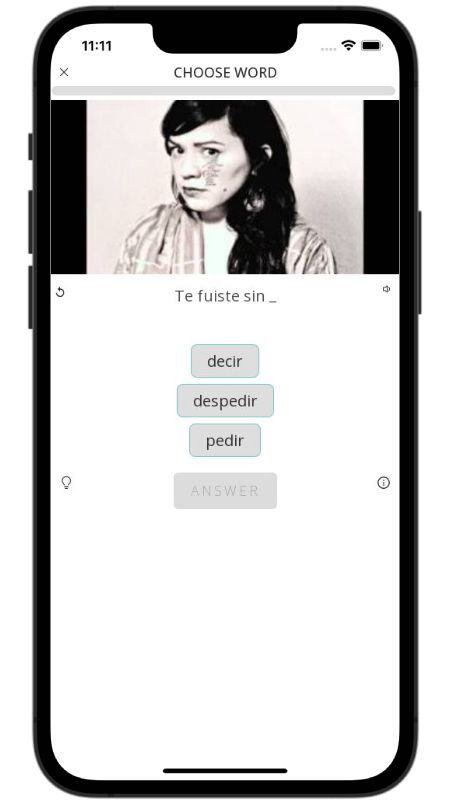
Mexican alternative artist Carla Morrison starts Sin Despedir by calling out someone who walked out without saying goodbye: "Te fuiste sin despedir / Pensando solamente en ti" [You left without saying goodbye / Thinking only of yourself]. It is blunt and bitter, and it drops you straight into the mess left behind. Her head knows what happened, but she admits her heart refuses logic: "¿Qué le digo a mi corazón? / Si el no entiende de razón" [What do I tell my heart? / If it doesn't understand reason]. It keeps asking where this person went, and she has run out of answers.
The sharpest moment in the track comes when Carla talks about the exhaustion of keeping up appearances around other people. She sings, "Les maquillo todo el ardor / Que tu ausencia me dejó" [I put makeup over all the burning sting / That your absence left me]. In Spanish, using maquillar (to put on makeup) here is a vivid way to say she covers up her hurt, literally disguising the stinging pain so she can "pretender vivir de lo más feliz" [pretend to live completely happily]. She hates when people bring up her ex because everyone sees right through the act. Instead of moving on with neat closure, she repeats "Yo te quiero pedir / Una solución para este dolor" [I want to ask you / For a solution to this pain], stuck demanding a cure from the very person who walked out.