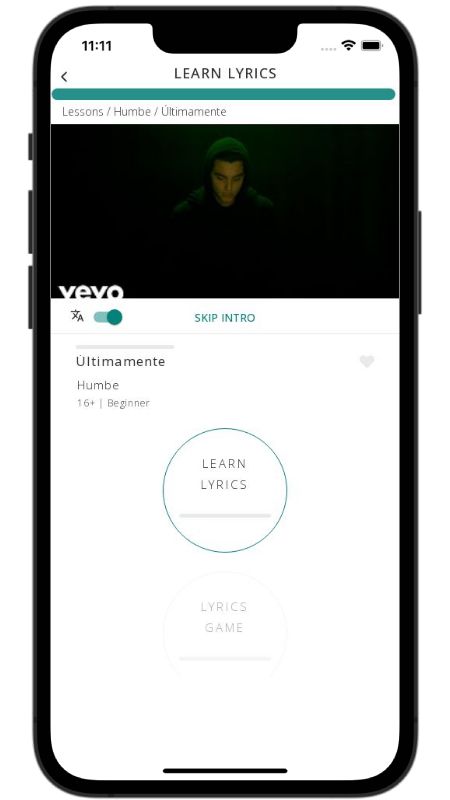
Últimamente Lyrics in English by Humbe
Pordiosero literally means "beggar" and comes from the plea por Dios (for God's sake), so it carries an old-school, dramatic flavor you won’t hear every day.
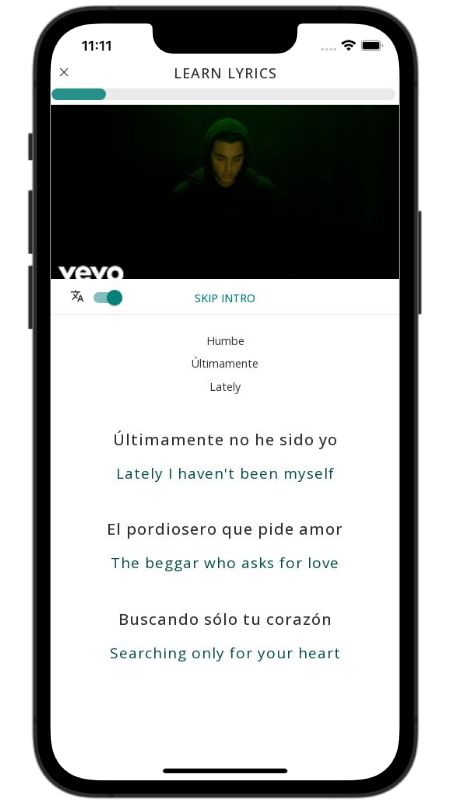
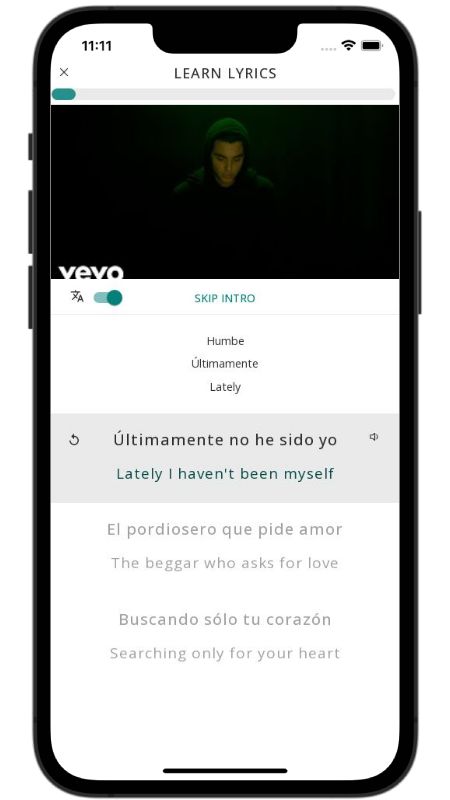
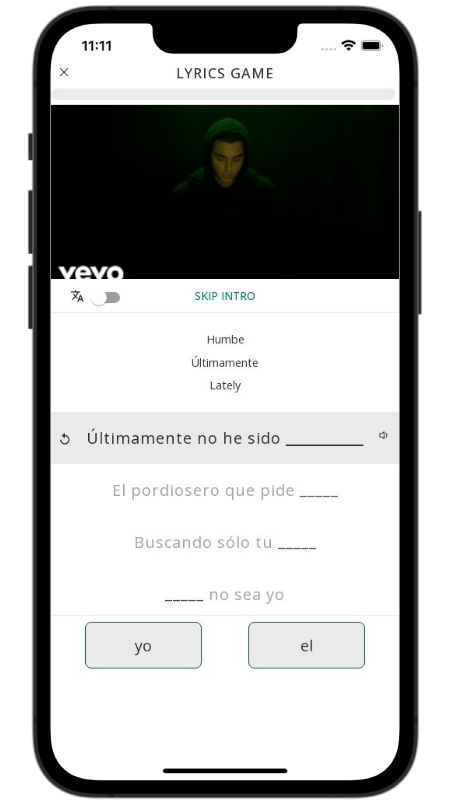
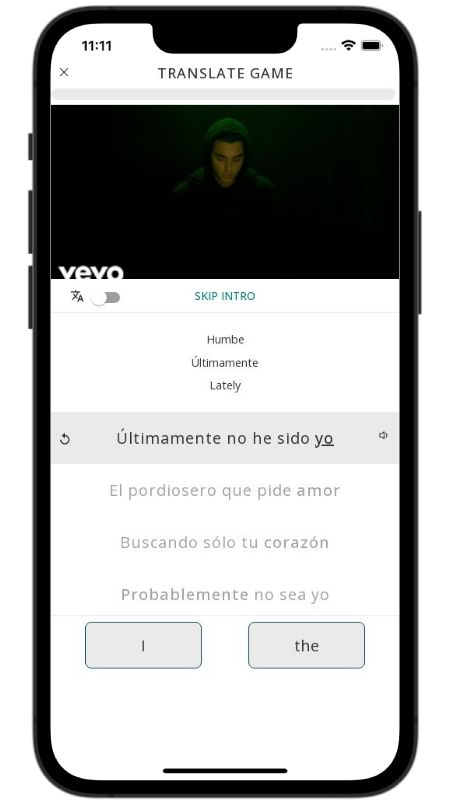
Humbe sings "el pordiosero que pide amor," likening himself to someone begging in the street, but for affection instead of coins. The vivid, metaphorical use makes this rare word pop and sparks curiosity to learn more.
In "Últimamente", Mexican pop artist Humbe lets go of someone he cares about because he knows he is not in the right headspace to love them properly. Instead of acting like "el pordiosero que pide amor" ("the beggar who asks for love"), he steps back and admits his own flaws. He confesses that he has been trapped in his head with "ansiedad, inseguridad" ("anxiety, insecurity") while searching for his own identity and peace. Because he feels he lacks what the other person needs, he bows out with genuine grace, telling them to find someone new and laugh until their face hurts ("que te duela la cara de las carcajadas").
What makes this track special is the complete lack of bitterness. He actively encourages his ex to jump into a new romance without holding back: "Dile qué sientes, dile qué tramas" ("Tell him what you feel, tell him what you're plotting"). The phrase "qué tramas" comes from tamar (to hatch a plan or plot), used playfully here to mean your romantic moves and intentions. Humbe pairs this with the encouraging Spanish idiom "nunca te quedes con las ganas" ("never leave yourself wanting" or "don't hold yourself back"). It is a refreshingly honest pop song about stepping aside so someone you love can find real happiness, even if it is not with you.