J. Lyrics in English by Ivan Cornejo
Rajaré comes from the Mexican Spanish slang verb rajarse, which means 'to give up' or 'to back down'. It's a powerful and informal word that you won't find in a standard textbook.
In the song, Ivan Cornejo sings, "nunca me rajaré en encontrarte otra vez" (I will never give up on finding you again). He's using this strong slang to express a deep, unbreakable promise that he'll never stop searching for his lost love, adding a raw and emotional weight to his words.
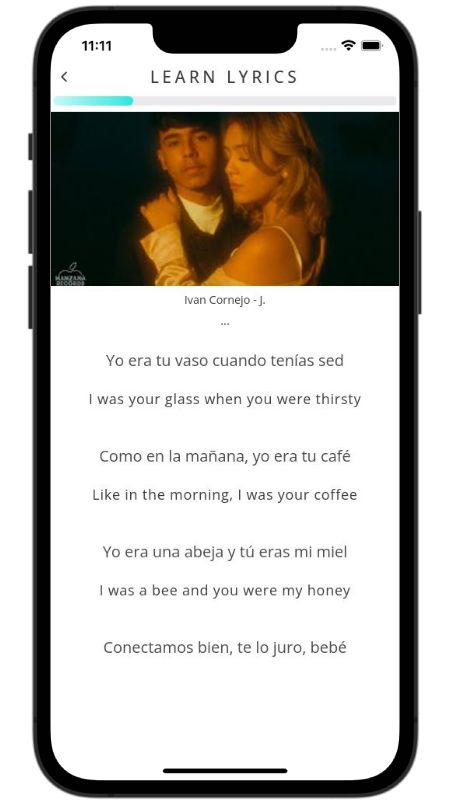
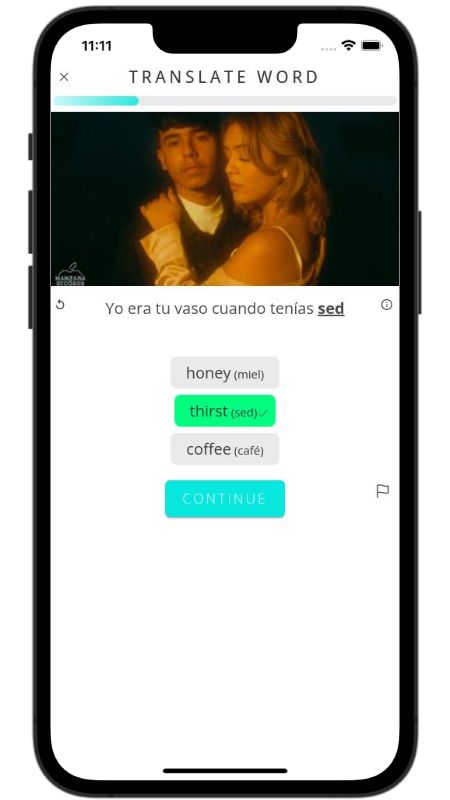
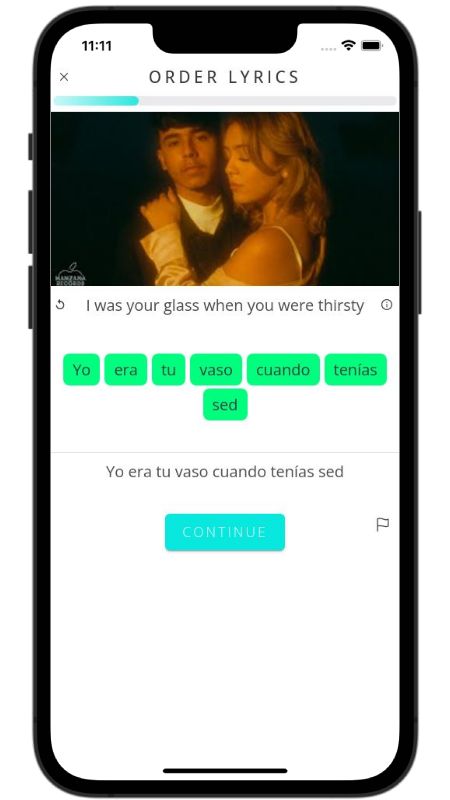
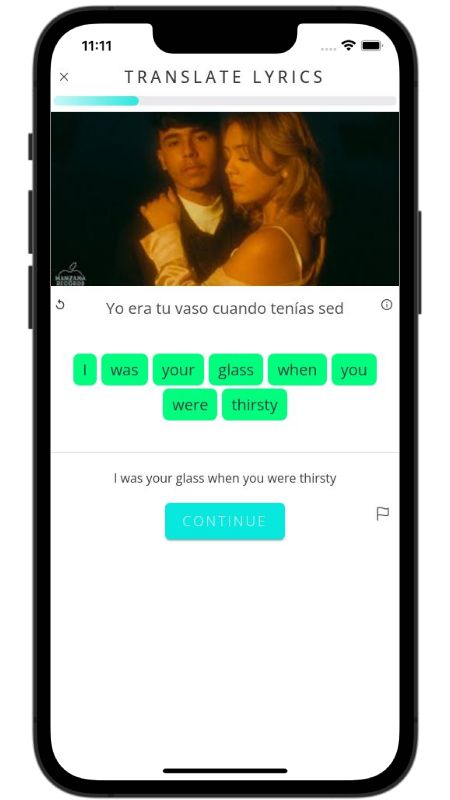
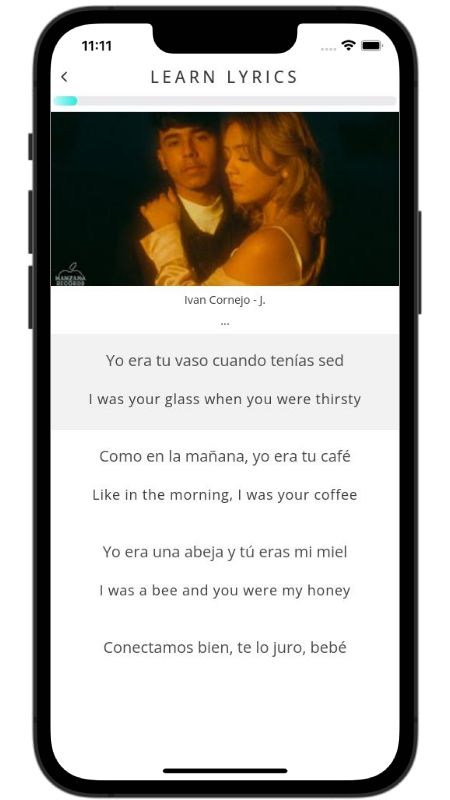
Ivan Cornejo does not hold back his heartbreak in "J.", delivering a moody Regional Mexican track about someone he just cannot scrub out of his mind. He kicks things off by listing how essential he used to be to his ex: "Yo era tu vaso cuando tenías sed / Como en la mañana, yo era tu café" ("I was your glass when you were thirsty / Like in the morning, I was your coffee"). It is a sweet setup, but things turn fiery fast. Everywhere he looks, he still sees her face, comparing his obsession to an addiction: "Tú eras mi gran adicción, mi droga, yo era tu fuego" ("You were my big addiction, my drug, I was your fire"). Then comes the sharp sting of seeing an ex move on. He bluntly throws shade at her new partner with "Quiero que te trate con respeto ese pendejo" ("I want that idiot to treat you with respect"), where the Mexican slang pendejo works as a sharp insult for an annoying jerk or fool.
What makes the track hit so hard are the small, unfulfilled hopes he leaves on the table. He openly regrets missing the milestone of family introductions, singing "Cómo quisiera presumirte a mis papás" ("How I wish I could show you off to my parents"). Even while admitting that getting back together is impossible, he refuses to give up the search: "nunca me rajaré / En encontrarte otra vez" ("I will never back down / From finding you again"). The Mexican idiom rajarte means to back out, chicken out, or give up on a promise. He knows the relationship is over, yet his feelings are still running at full heat.