Ay Vamos Lyrics in English by J Balvin
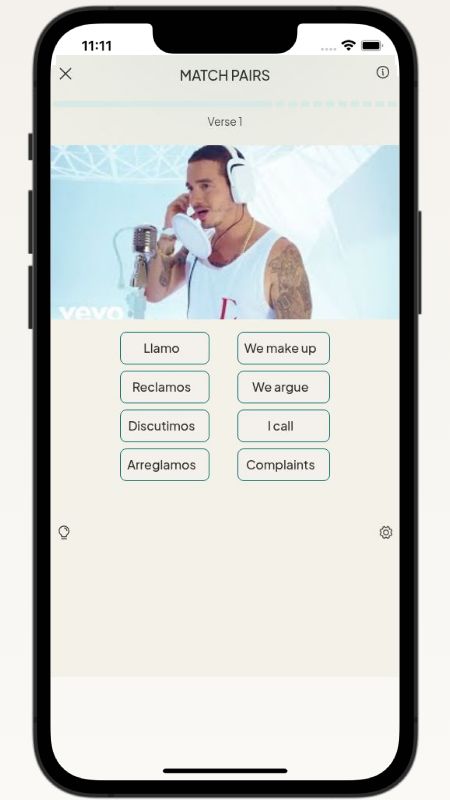
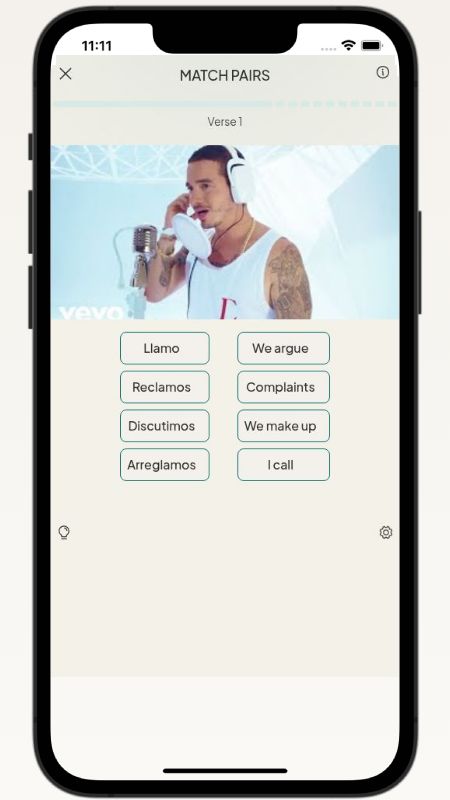
The verb arreglar literally means "to fix," but its meaning in this song is much more nuanced. It's the key to the catchy hook, “Peleamos, nos arreglamos” (We fight, we make up).
Here, the reflexive form arreglarse means to resolve a conflict or to make amends. This single word perfectly captures the song's theme: a fiery relationship where conflict is always followed by resolution. It's a fantastic, colloquial use of a common verb that you'll hear in everyday conversation.
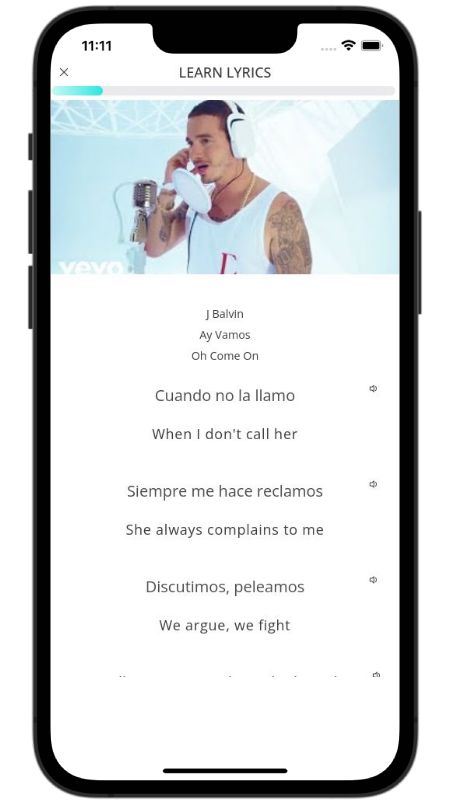
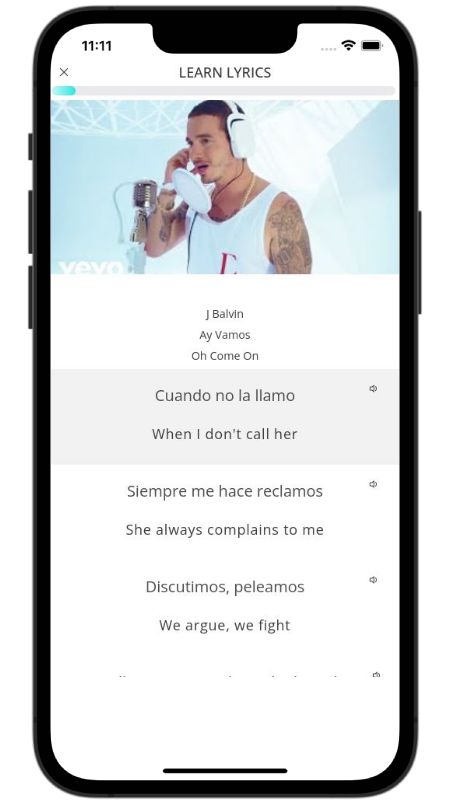
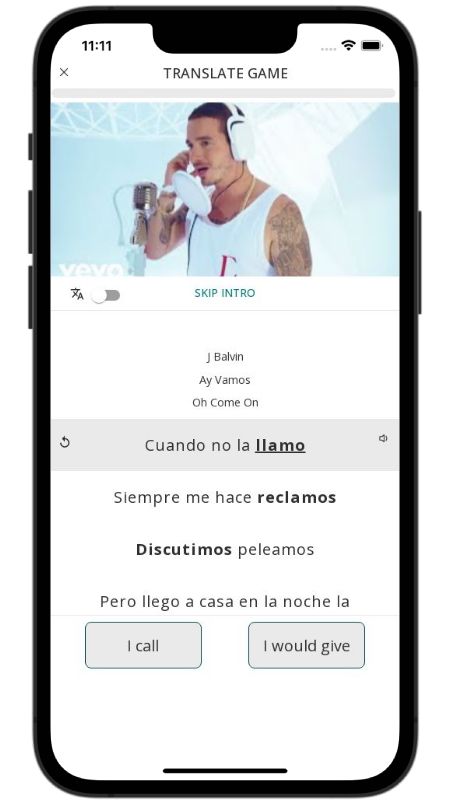
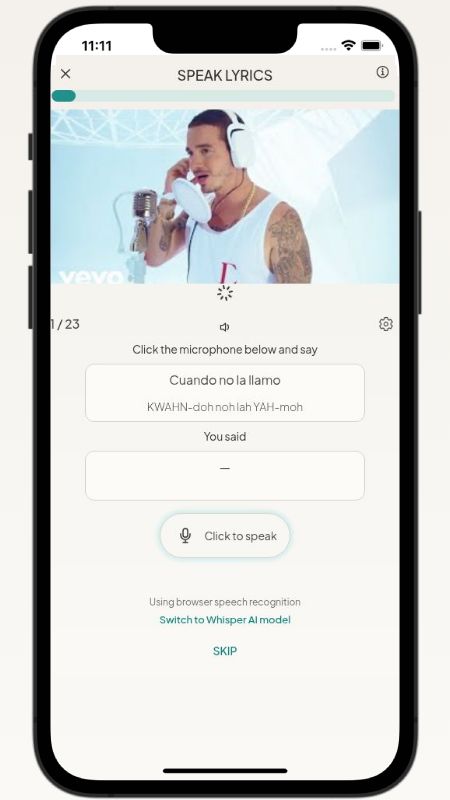
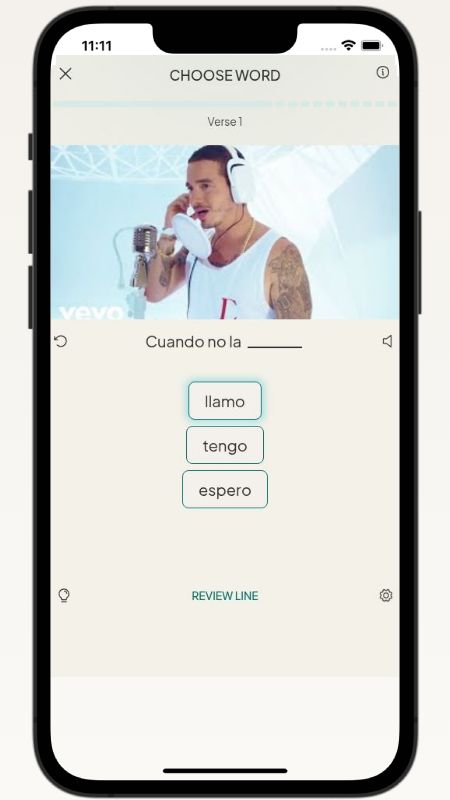
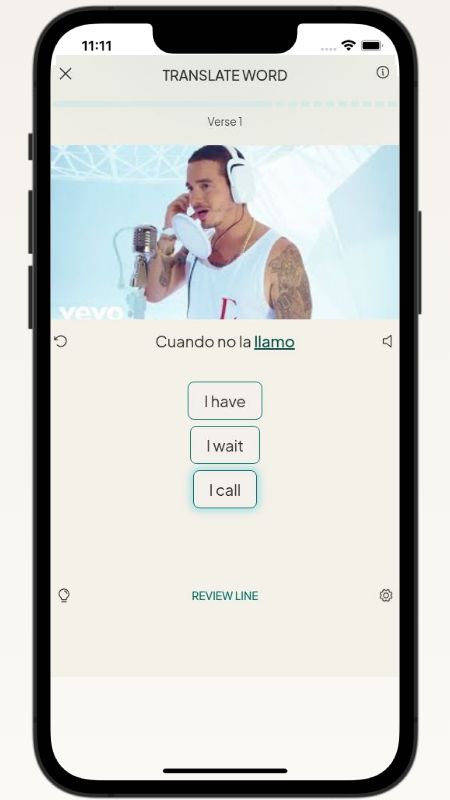
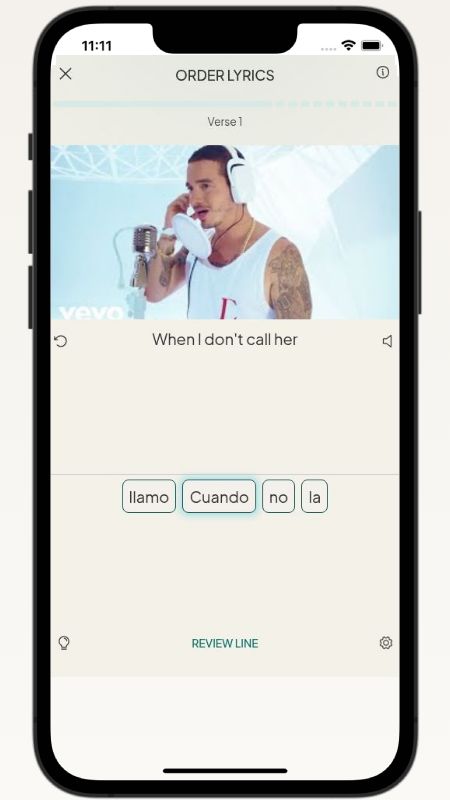
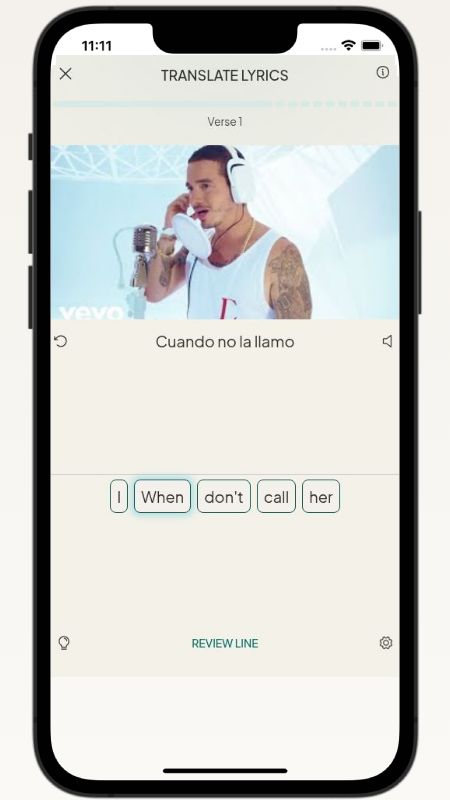
Colombian reggaeton star J Balvin zeroes in on the everyday chaos of being in a relationship where you fight, make up, and repeat the whole cycle by dinner time. The title phrase "Ay vamos" translates to "here we go" or "we're getting by," and that shrug sets the tone for the entire track. He lays out the daily friction right away: "Cuando no la llamo / Siempre me hace reclamos" ("When I don't call her, she always complains"). Yet, no matter how heated the arguments get during the day, he comes home, teases her, and fixes things because he cannot imagine his life without her ("Qué pena me daría / No tenerte en mi vida" ["What a shame it would be / Not having you in my life"]).
Balvin also spends plenty of time defending himself against her jealousy. He insists that when he is out on the street, he is working for their future or hanging out with his friends ("ando con mis panas" ["I'm hanging out with my buddies"]). The word "panas" is widely used across Colombia and parts of Latin America for close pals. His defense gets funny and blunt when he begs her to chill out: "Nena, nena, tranquilícese / Que en la calle a nadie besé" ("Baby, baby, calm down / I didn't kiss anyone on the street"). He admits they are complete opposites ("Somos polos opuestos"), but he accepts the drama as part of the package because the love is real.