El Viento Lyrics in English by Manu Chao
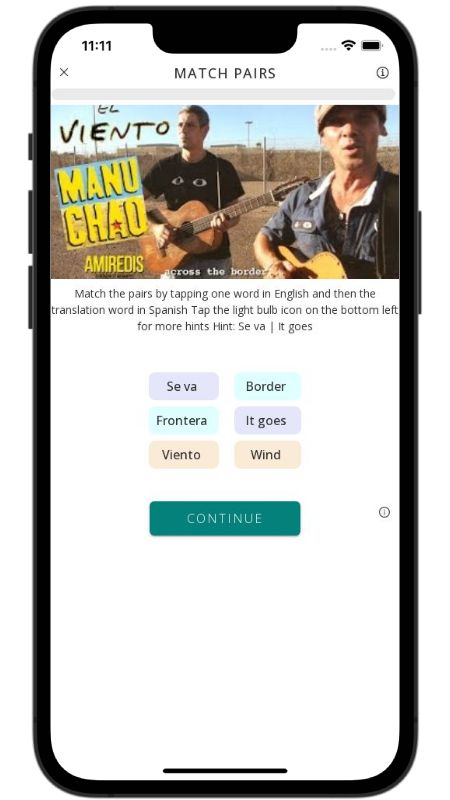
Frontera literally translates to "border". It's a key word in the music of Manu Chao, who often sings about themes of migration, movement, and globalization.
In "El Viento," the frontera is the physical and symbolic line that is crossed by the wind, by a man, and even by abstract forces like hunger (el hambre) and luck (la suerte). It represents a place of constant transition and struggle, making it a powerful and essential word to unlock the song's deeper message.
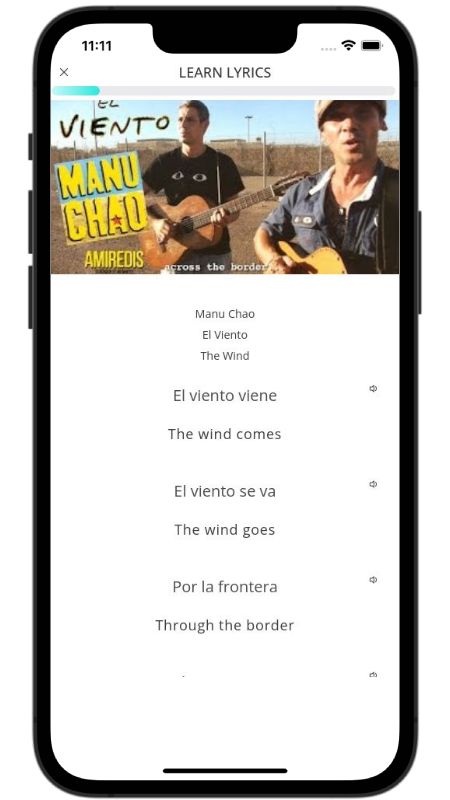
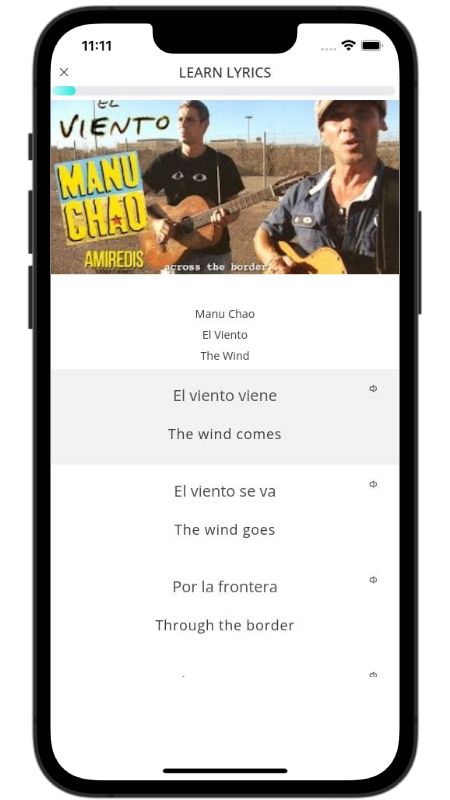
Manu Chao delivers a hypnotic, relentless rhythm built on sharp, paired contrasts in "El Viento". The lyrics treat human movement across borders with the same cold inevitability as the weather. In the opening lines, he sets up the movement: "El viento viene, el viento se va / Por la frontera" ("The wind comes, the wind goes / Through the border"). Notice how he plays with nearly identical words that sound almost identical in Spanish: "El hambre viene, el hombre se va" ("Hunger comes, the man leaves"). It is a blunt wordplay where one vowel shift turns a physical human being (el hombre) into the starvation driving him away (el hambre).
As the track repeats along "la carretera" ("the road"), the stakes get even darker with "La muerte viene, la suerte se va" ("Death comes, luck leaves"). Chao also brings in the phrase "Ruta Babylon" ("Babylon route"), using reggae and Rastafari slang where "Babylon" stands for oppressive, corrupt systems and harsh state authorities. Instead of a tidy story, you get a looping mantra about people walking roads toward uncertain fates, asking the simple, unanswered question: "¿Cuándo volverá?" ("When will he return?").