CORAZÓN VACÍO Lyrics in English by Maria Becerra
Ilusa is a powerful adjective that translates to "naive" or "delusional". It's used to describe someone, often a woman, who has been foolishly optimistic or has deceived themselves about a situation, especially in love.
In the song, Maria Becerra repeats the line, "Qué ilusa fui al creer que tu amor era mío" (How naive I was to believe your love was mine). This word perfectly captures her painful realization that she was wrong to trust her partner, making it a key emotional anchor of the track.
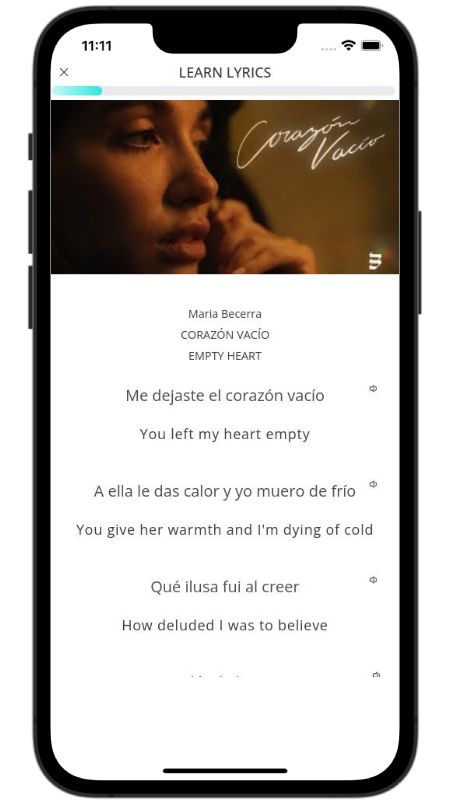
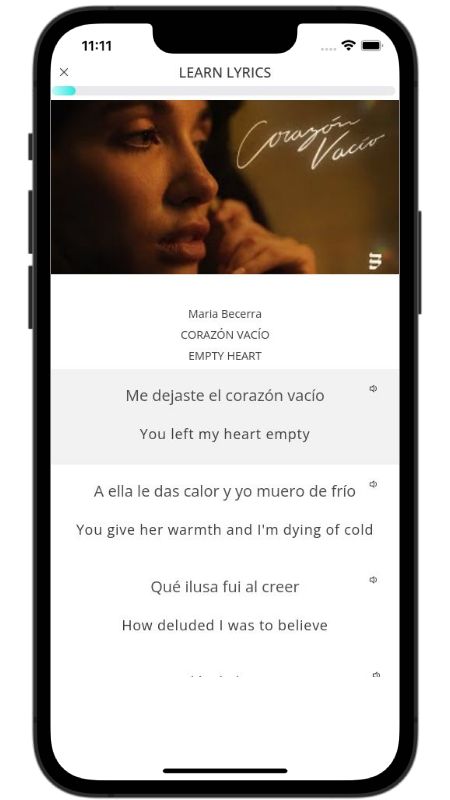
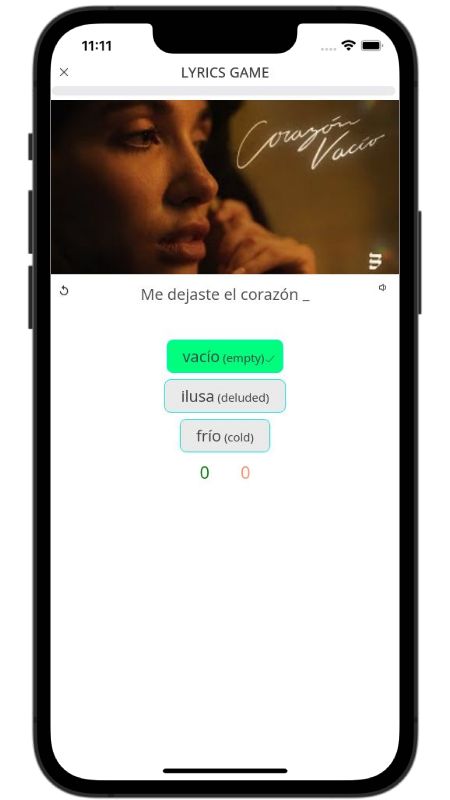
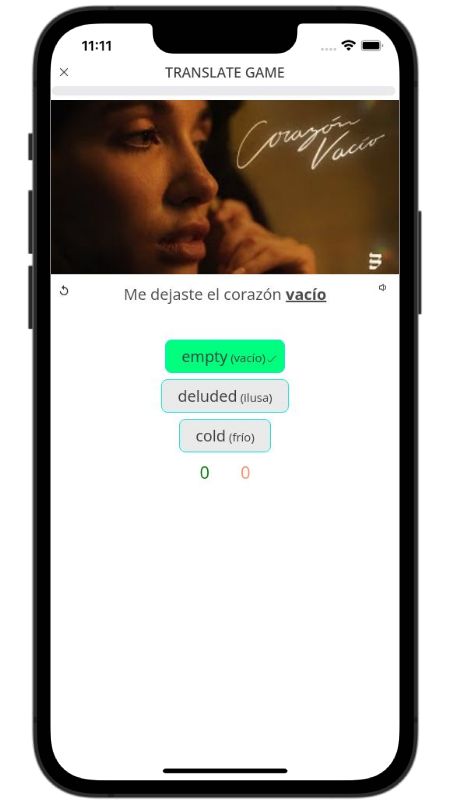
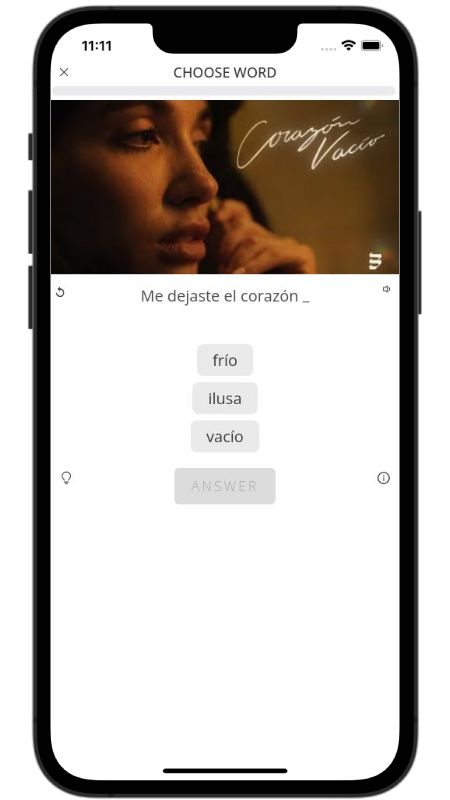
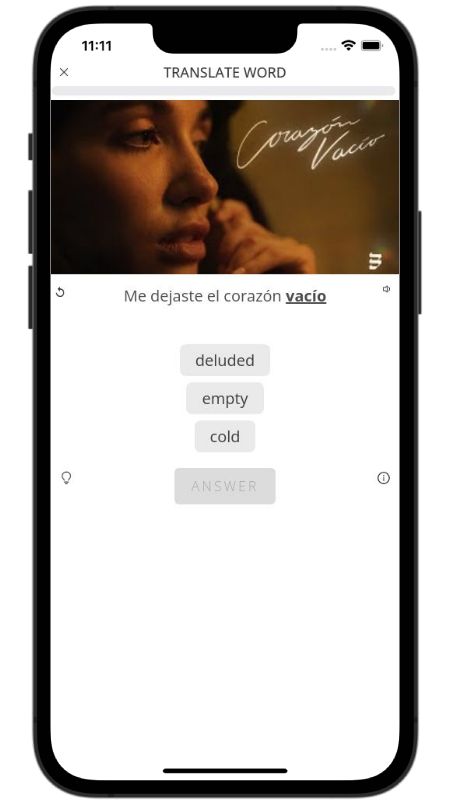
Ever called someone back expecting an apology, only to have a total stranger answer their phone? That is the exact gut punch Argentine star Maria Becerra drops right into this reggaeton track. She notices missed calls from an ex who was out high on "512 y Percocet" (slang referencing pain pills), dials him back, and a woman's voice picks up to tell her flat out: "No te ilusiones más con él / Porque ya no va a volver" (Don't get your hopes up with him anymore / Because he isn't coming back). That moment leaves her shivering while someone else gets his warmth: "Me dejaste el corazón vacío / A ella le das calor y yo muero de frío" (You left my heart empty / You give her warmth and I'm freezing to death).
Instead of sulking in the bedroom, though, she takes all that betrayal straight to the dance floor. The chorus flips from hurt to pure defiance. She rejects his fake apologies, telling him to vanish like he always does: "Haz lo de siempre, desaparécete" (Do what you always do, disappear). And she makes sure he knows what he threw away with one brilliantly blunt warning: "Y no te pongas loco si me ves / Perreando con otro contra la pared" (And don't go crazy if you see me / Grinding with someone else against the wall). Becerra picks herself up off the floor and dances her way out of the mess.