Hoy Tengo Ganas De Ti Lyrics in English by Alejandro Fernández, Christina Aguilera
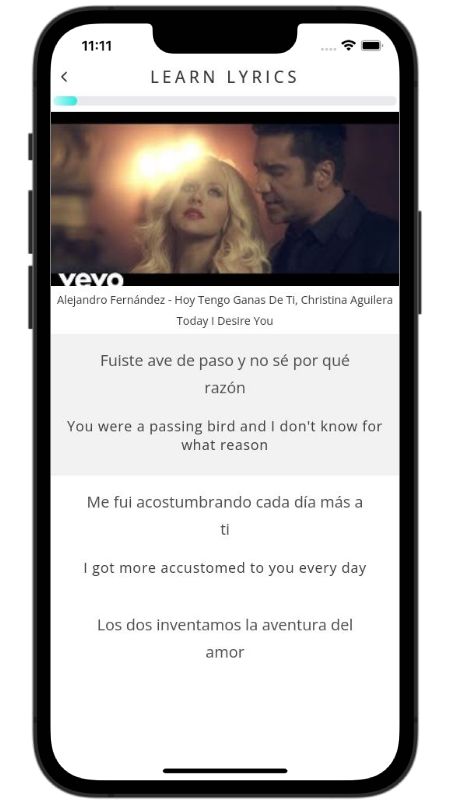
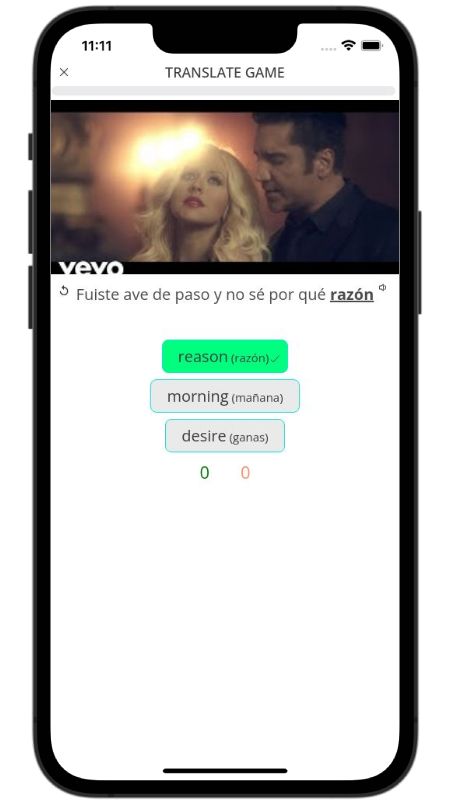
Ave de paso literally translates to "bird of passage". It's a poetic expression used to describe a transient person, someone who comes and goes without settling down, much like a migratory bird.
In this classic ballad, the singer describes his lover this way, setting a bittersweet tone for the song. He fell in love with someone he knew would eventually fly away, beautifully capturing the feeling of a fleeting yet impactful romance.
Mexican singer Alejandro Fernández and pop star Christina Aguilera come together in this explosive, dramatic ballad about someone who just cannot let an old flame go. The singer starts off by admitting their lover was an ave de paso ("bird of passage," a Spanish idiom meaning a fleeting visitor or temporary lover) who vanished without so much as a goodbye: "Sin decirme adiós yo te vi partir" ("Without telling me goodbye, I saw you leave"). Even though the relationship was brief, the singer fell hard anyway, and now the quiet aftermath is unbearable: "No hay nada más triste que el silencio y el dolor" ("There is nothing sadder than silence and pain").
Instead of moving on gracefully, the song spirals into pure, desperate craving. The title phrase itself, "Hoy tengo ganas de ti" ("Today I desire you" or literally "Today I have a craving for you"), uses the common Spanish expression tener ganas de (to fancy or feel like having something), but turns the heat up to maximum romantic obsession. The singer wanders the dark trying to track down their ex's hiding spot ("donde te escondes") and dreams of extreme devotion, declaring: "Quiero apagar en tus labios la sed de mi alma" ("I want to quench my soul's thirst on your lips"). It is completely over-the-top, possessive, and wildly passionate.