Déjala Que Baile Lyrics in English by Alvaro Soler
Sequía translates to "drought" in English. It's a powerful and evocative word that immediately brings to mind a sense of longing and need for something vital, like rain.
In the song, the singer uses sequía metaphorically when he sings, "Cuando tengo sequía en mi campo, yeah" (When I have drought in my field). This highlights the central theme of the song: the woman's dance brings life and joy, much like rain ends a drought, nourishing the soul and turning life around.
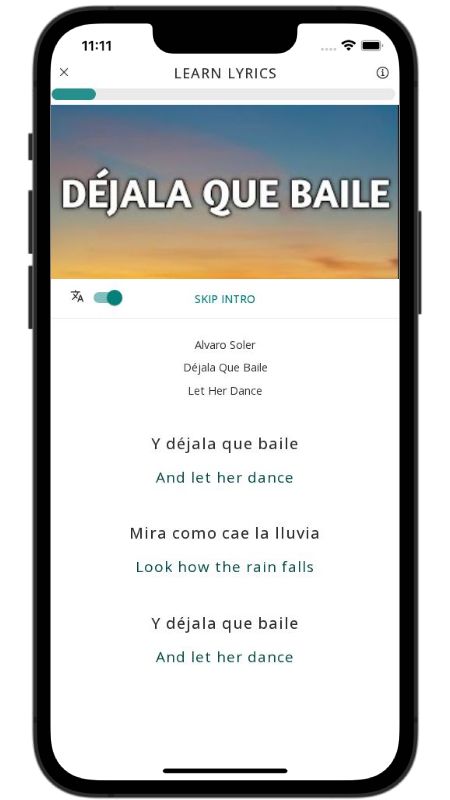
Spanish singer Alvaro Soler leans straight into folklore here, retelling an old legend (cuenta una antigua leyenda [an ancient legend tells]) about a mystical woman who can summon rainfall just by moving. Her jasmine lips and moonlit origins turn her into a force of nature. Whenever he feels a drought in his fields (cuando tengo sequía en mi campo), she turns his life upside down and brings the storm. It sounds like an agricultural disaster waiting to happen, but he treats her downpour as pure relief: she dances to water tired souls (pa regar el alma [to water the soul]) and dishes out joy without asking for anything back.
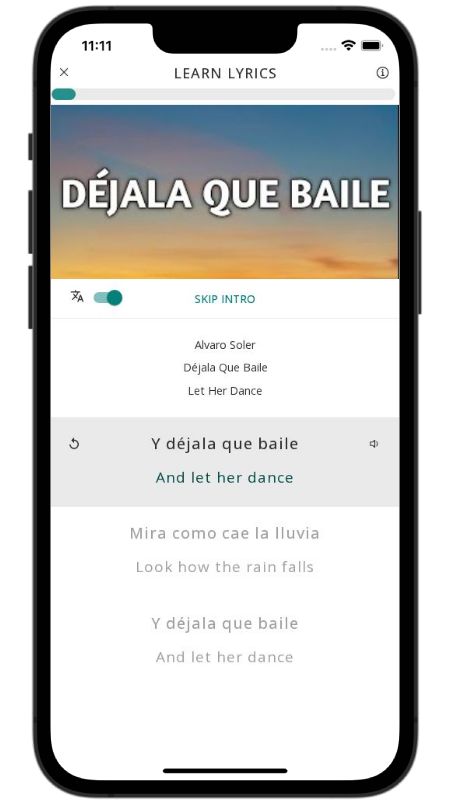
Notice that shortened word pa—it is everyday spoken shorthand for para (in order to), common across Spain and Latin America. The narrator is so sold on her magic that he pleads to be led anywhere blindly (ciego te seguiré [I will follow you blindly]). In the end, the simple demand running through the chorus says it all: déjala que baile (let her dance). He just wants everyone to step aside and let her keep moving until sunrise (hasta el amanecer), soaking the ground and washing away the dry spells.