Dile Lyrics in English by Don Omar
Traicionó is the past tense of the verb traicionar, meaning "to betray". It's a word packed with drama and emotion, perfect for this song's story.
In this reggaeton classic, Don Omar suggests a poetic excuse for a woman caught in a love triangle: "Que quizás fue la noche la que te traicionó" (Maybe it was the night that betrayed you). By blaming the night, he frames the affair as an irresistible, fateful event, making traicionó a key to unlocking the song's passionate narrative.
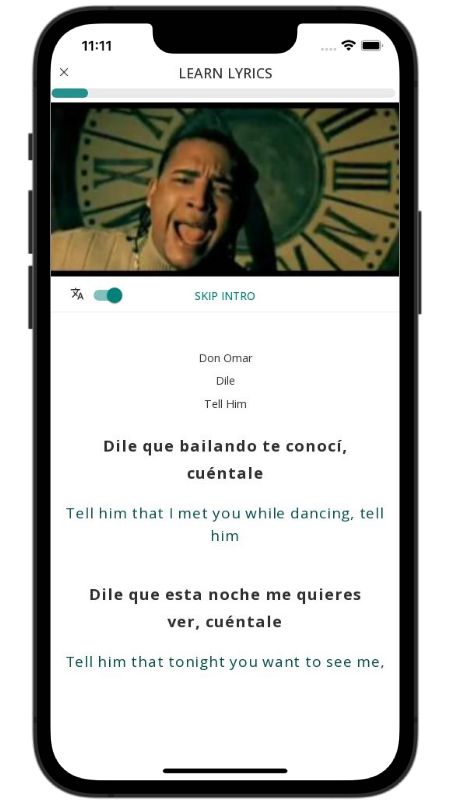
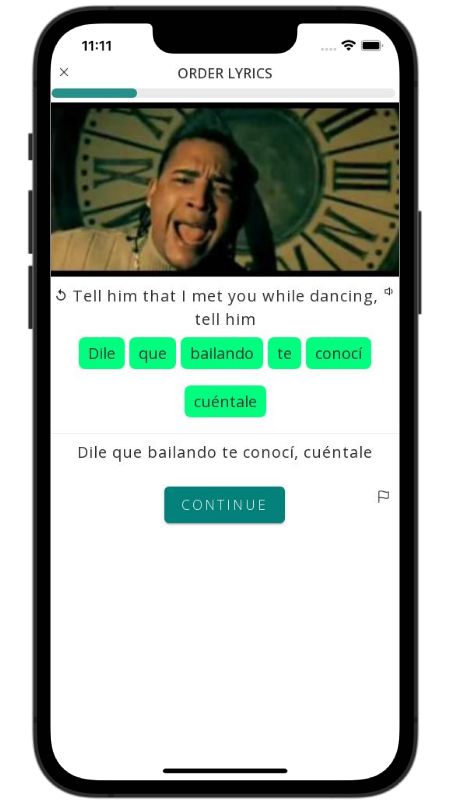
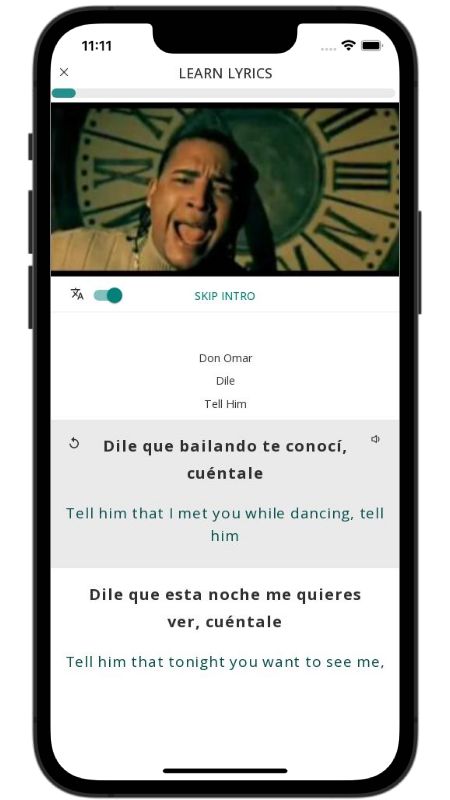
Puerto Rican reggaeton star Don Omar wastes zero time playing the polite second choice here. He is urging a woman to stop lying to her partner and confess everything that went down between them. His demands are bold and completely direct: "Dile que bailando te conocí" ("Tell him I met you dancing") and "Cuéntale que beso mejor que él" ("Tell him I kiss better than him"). Instead of feeling guilty, he tells her that she had plenty of reasons to stray, suggesting maybe it was the scent of his skin or the way he whispers in her ear. He even delivers the blunt advice: "Ya no le mientas más y admite tu error / Y si es por mí no pidas perdón" ("Don't lie to him anymore and admit your mistake / And if it's on my account, don't ask for forgiveness").
What makes this track especially fun is how brazenly practical he gets about the drama. He knows crying won't fix anything ("Porque con llorar no se compone" / "Because crying won't fix it"), so he leaves the relationship drama entirely up to her: "Queda de ti el que lo perdones / El que lo olvides o lo abandones" ("It's up to you whether you forgive him, forget him, or leave him"). Whether she stays with her partner or walks away, Don Omar only cares about one thing: getting another night with her anyway ("Entonces a mí dame otra noche... Aunque tú vuelvas con él" / "So give me another night... Even if you go back to him").