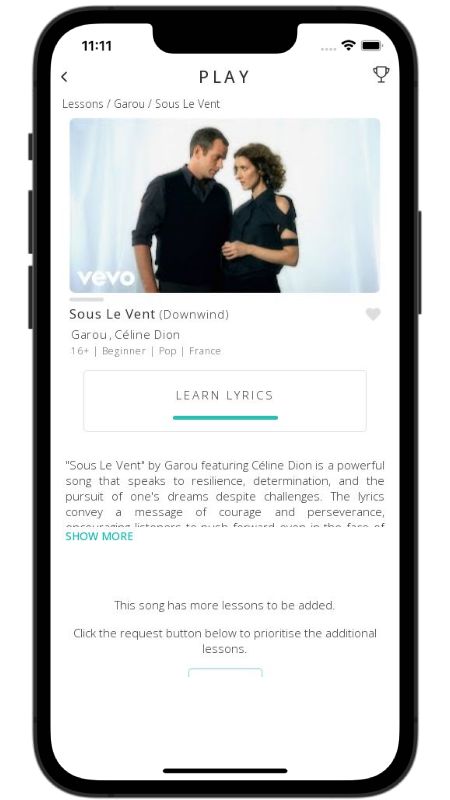
Sous Le Vent Lyrics in English by Garou, Céline Dion
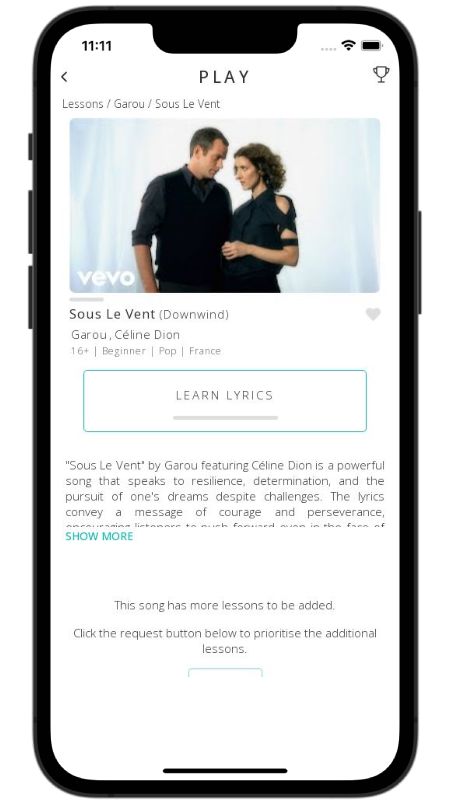
Sous le vent is a nautical term that literally translates to "under the wind", but means "downwind" or "leeward". It's an evocative phrase that captures a feeling of movement and nature.
In this song, the phrase is a beautiful metaphor for letting go and allowing life's currents to carry you forward, like a sailboat gliding effortlessly on the sea. It represents finding freedom and a new direction by surrendering to forces beyond your control.
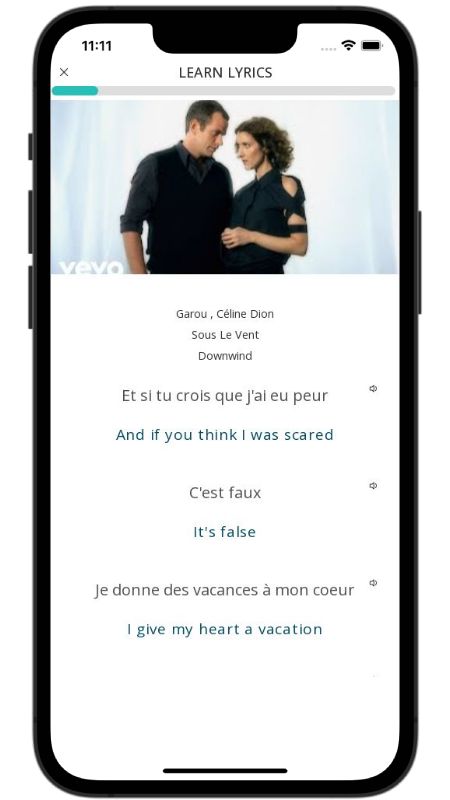
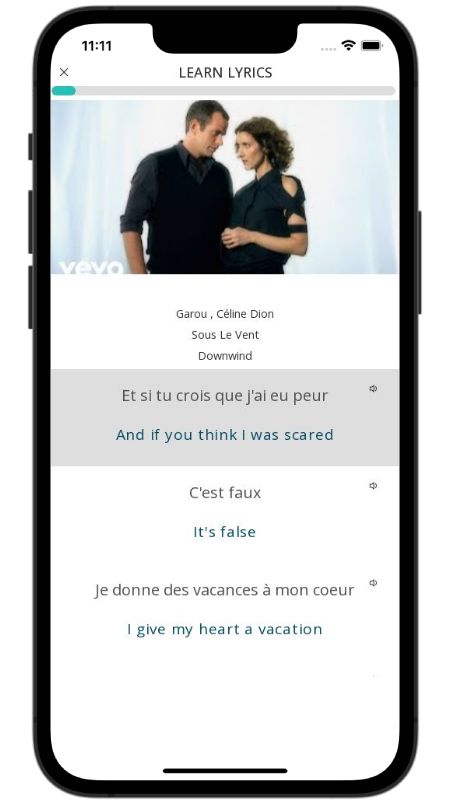
Canadian powerhouse Garou teams up with superstar Céline Dion for Sous Le Vent, and the whole track feels like an exhale after a rough storm. The speaker is reassuring someone who worries things have fallen apart. Right from the start, they set the record straight: Et si tu crois que j'ai eu peur / C'est faux ("And if you think I was scared / That's false"). Instead of giving up or running away in panic, they explain, Je donne des vacances à mon coeur ("I am giving my heart a vacation"). It is a gentle, poetic way to say: I just need a breather.
The chorus relies on classic nautical imagery to describe this needed break. They ask the listener, Fais comme si j'avais pris la mer / J'ai sorti la grande voile / Et j'ai glissé sous le vent ("Act as if I took to the sea / I took out the mainsail / And I glided downwind"). In sailing, slipping sous le vent (downwind or leeward) means moving with the wind rather than fighting it head-on. There is no drama here, just someone taking a pause to find their star (J'ai trouvé mon étoile) and asking their partner to close their eyes and wait, because this distance is definitely not the end (C'est juste une pause, un répit / Après les dangers ["It's just a pause, a respite / After the dangers"]).