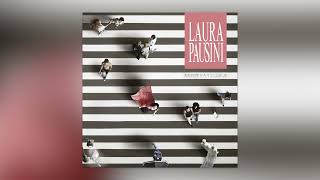
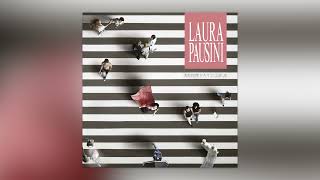
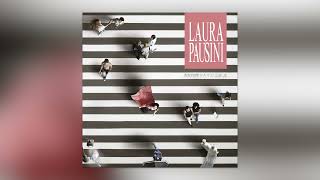
Io C'ero (+ Amore X Favore) Lyrics in English by Laura Pausini
Squarciato comes from the verb squarciare, meaning to tear, rip, or gash. It's a strong, evocative verb that suggests a forceful and dramatic action.
In the song, Laura Pausini sings, "Ho squarciato il cielo con un dito per la libertà" (I tore the sky with a finger for freedom). This powerful imagery uses squarciato to convey a sense of breaking through barriers and making a profound impact, even with a seemingly small gesture, in the pursuit of freedom.
In this powerful song, Laura Pausini looks back on a painful past experience. The lyrics paint a picture of someone who has forcefully broken free from a difficult situation, singing of tearing the sky for her freedom. She describes leaving her innocence behind, like something glued to a wall, and burying a painful memory in the sand.
At the heart of the song is the repeated phrase "Io c'ero," which means "I was there." The singer wants someone to understand the pain they caused her, wishing she could send them back in time to see the world through her naive eyes. She declares that she deserved better, just a simple flower, but instead was given no value. Now, having paid the price for her freedom from this person's deception, she makes a clear and simple plea: "Più amore per favore" or "More love, please."