Tu Te Vas Lyrics in English by Manu Chao, Laeti
Pimiento literally means "pepper". However, in this song, it's used in a very common and colorful Spanish idiom: "importar un pimiento".
This phrase is a colloquial way to say "to not care at all". When Manu Chao sings, "¿Será que a ti te importa un pimiento?", he's sarcastically asking his former lover, "Do you even care one bit?". Learning this song will teach you a fantastic, slightly cheeky expression that you'll hear in everyday Spanish conversation.
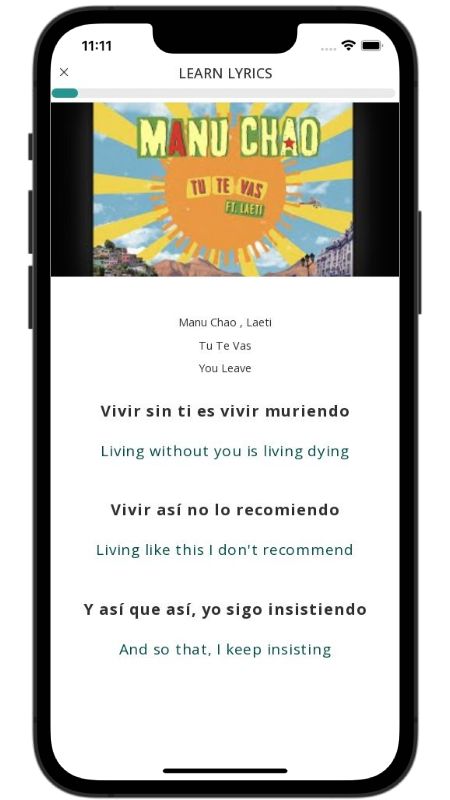
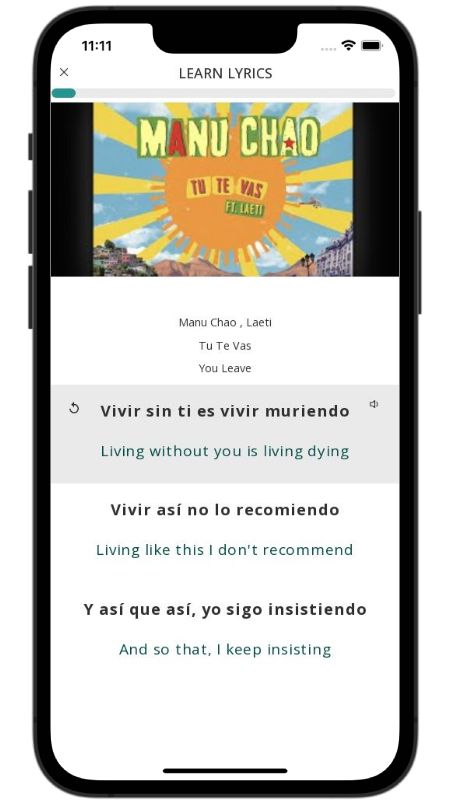
In "Tu Te Vas", Manu Chao and French artist Laeti turn a breakup into a two-sided conversation across languages. Chao handles the Spanish side with his usual restless melodrama. For him, being left behind feels like self-destruction: "Vivir sin ti es vivir muriendo" ("Living without you is living while dying"). He spirals into wild comparisons, calling his ex "mi dexedrina" ("my Dexedrine" - an amphetamine medication) and declaring that she gets him higher than cocaine before bluntly wondering "¿Será que a ti te importa un pimiento?" ("Could it be that you don't care a bit?", using the Spanish food idiom importar un pimiento, literally "to matter a pepper", meaning to not give a damn).
Laeti answers in French with cold reality, cutting right through his chaos with her repeated promise: "J'reviendrai jamais" ("I'll never come back"). She is walking away to protect herself and chase her goals ("Je dois exaucer mes rêves" / "I have to fulfill my dreams"), even if it hurts. She drops current French slang too, admitting that "La moula m'apaise à peine" ("Money barely eases my mind" - la moula is popular French street slang for cash). Even when she acknowledges her lingering feelings with "Malgré le love, j'ai mis d'la distance" ("Despite the love, I put distance between us"), she refuses to fall back into what she calls the trap ("le piège"). It is an honest clash between one person chasing ghosts and the other firmly slamming the door.