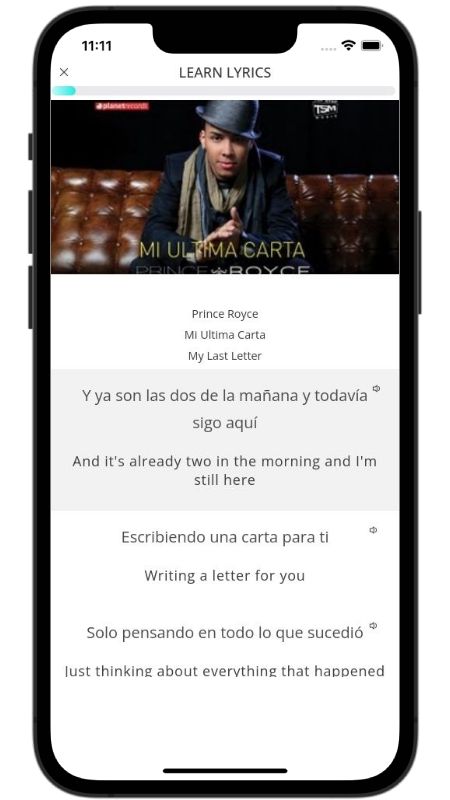
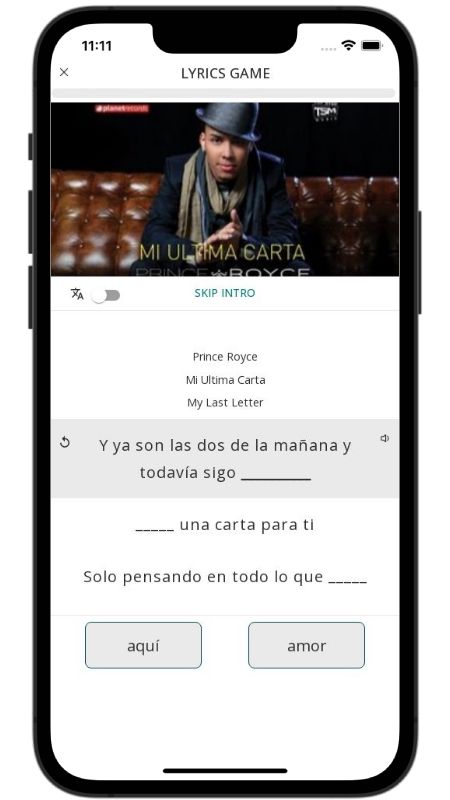
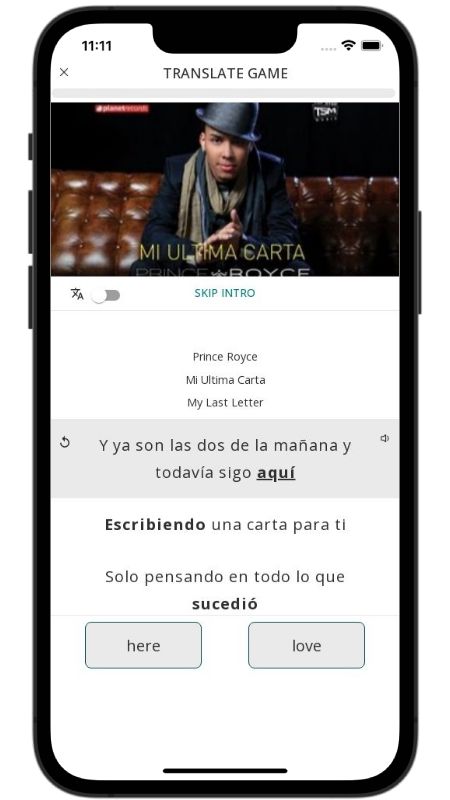
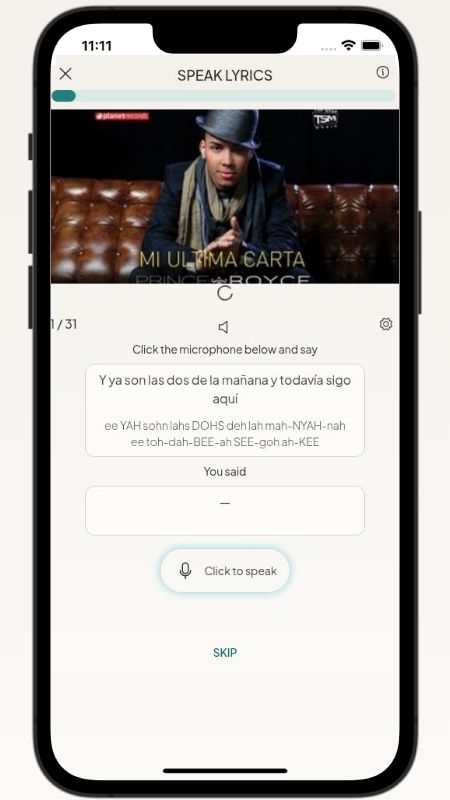
Mi Ultima Carta Lyrics in English by Prince Royce
Difunto literally means "deceased" or a "dead person". It’s a very dramatic word you won't often hear in a pop song.
In this bachata ballad, Prince Royce feels so empty and lifeless after his breakup that he sings, "Soy un difunto" (I am a dead person). He uses this powerful metaphor to describe the feeling of being emotionally dead, making his heartbreak feel incredibly raw and final.
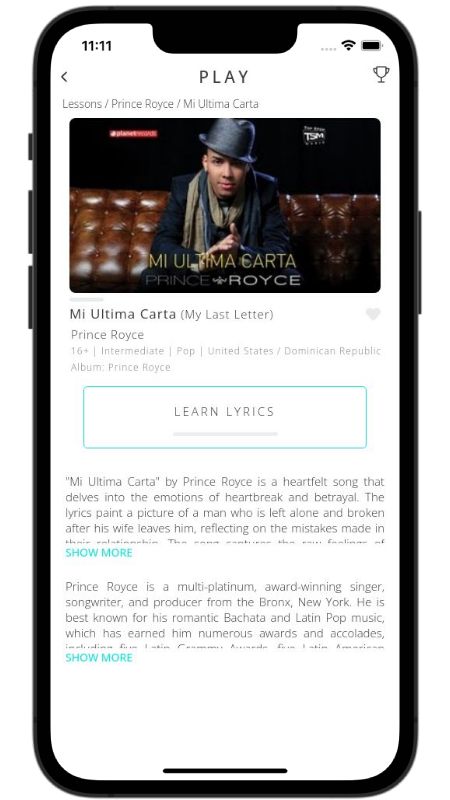
Picture this: it is two in the morning, and Prince Royce is freezing in an empty room, pouring his misery onto paper. In "Mi Ultima Carta", he takes traditional Dominican bachata and turns it into pure, unfiltered late-night drama. His wife kicked him out—or as he bluntly puts it, "mi esposa me botó" ("my wife threw me out")—and he feels so discarded that he calls himself "un difunto" ("a corpse") tossed away "como un perro sin valor" ("like a worthless dog"). The emotional whiplash here is real. In one breath, he swears "por siempre te amaré" ("I will love you forever"), and in the next, he admits that looking at her face just fuels his growing bitterness.
He calls his broken relationship "esta novela" ("this soap opera"), which is the perfect way to describe writing an ultimate goodbye note while swearing she will regret losing him. The track hinges on the everyday Spanish verb botar (to throw away or dump), showing the messy, contradictory swings between anger, stubborn pride, and genuine pain. By the final lines, the pleading stops cold: "Ya no te quiero" ("I don't love you anymore") and "Ya se acabó" ("It is over now"). He signs off for good, leaving his story on the page so he can finally leave her in the past.