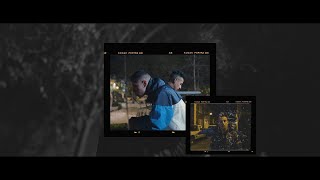
Hace Tiempo Lyrics in English by Santa Fe Klan
Desvelo refers to being unable to sleep or staying awake late, and it can also describe the state of sleeplessness itself. In the song, "así es que me desvelo" means "that's how I stay awake," capturing the restless, troubled nights of the narrator’s life.
“Hace Tiempo” feels like a late-night drive away from home, with memory sitting heavily in the passenger seat. The narrator says, “Si me pongo a recordar me dolería, pero si olvido todo, no me lo perdonaría” [If I start remembering, it would hurt me, but if I forgot everything, I could not forgive myself]. That choice between pain and guilt shapes the song. He is outside his barrio, or neighborhood, where “la calle se siente fría” [the street feels cold], yet leaving was necessary to get what he wanted. He misses his “jefa,” a familiar Mexican slang word for his mother, and visits “a toda mi bandera” [all my people], meaning his close crew and community. The road feels slow, the air carries stress and anxiety, and he says he has lost his fear of being alone.
The emptiness of the neighborhood is especially striking: some people are “en el cielo” [in heaven], while others are lost, and he raises a drink “para el suelo” [for the ground] as a tribute. Then the track shifts into confidence and street pride. “Mi colonia fue mi escuela” [my neighborhood was my school] turns his upbringing into a source of strength, while references to Alzada, burned “yesca” [cannabis], and staying “trucha” [alert or watchful] place the scene among late-night friends, music, danger, and police suspicion. “No se haga wey” [don’t act dumb] is blunt Mexican slang, and “por la finta” means he feels watched or judged because of his appearance. The song never pretends life is simple: he mentions medication, death, loneliness, and a confusing life, then answers them with the firm claim, “Ya estuve abajo, ahora voy de subida” [I have already been down, now I am moving up].