CASE 143 Lyrics in English by Stray Kids
무장해제 (mu-jang-hae-je) literally means 'to disarm' or 'lay down weapons'. It’s a term you would typically hear in a military or police context, making it a very unique choice for a love song.
In "CASE 143", Stray Kids uses this word metaphorically to describe being completely defenseless against someone's charm. It vividly portrays the feeling of having all your guards and walls suddenly broken down by love, leaving you totally vulnerable. This dramatic word choice perfectly captures the song's theme of love as an unexpected, code-red 'incident'.
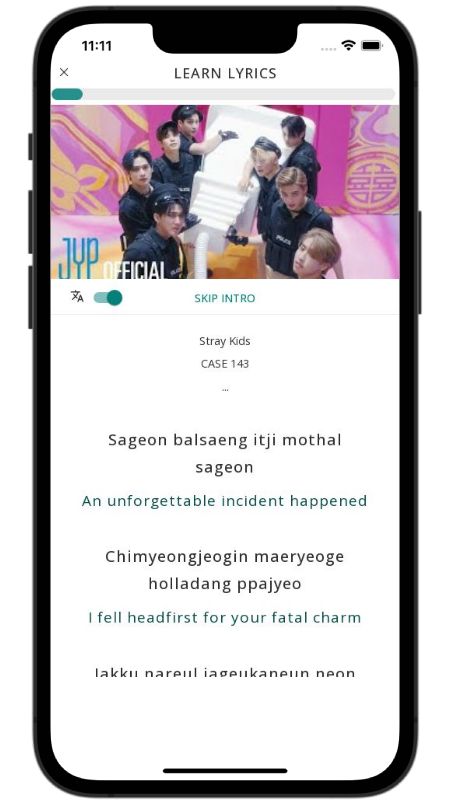
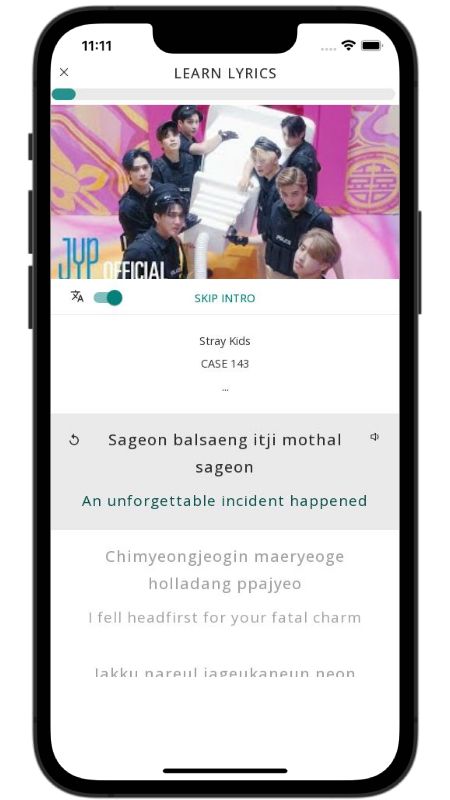
Love hits like a sudden crime scene in "CASE 143" by Stray Kids! Right from the opening line, they announce "사건 발생" (incident occurred), treating a massive crush like an unsolved mystery that needs investigating. The singer is totally caught off guard by someone's lethal charm, admitting this person is an "출처가 없는 문제야, 풀어야 할 숙제야" (a problem with no source, homework that needs solving). His brain feels completely scrambled—or as the lyrics put it, "머릿속이 띵하고" (head feels stunned/dizzy). Instead of acting cool, he bluntly blurts out, "Can I be your boyfriend?"—zero hesitation, no filter, and completely unarmed ("무장해제").
So what is this mysterious "Case 143" code? The track spells it out plain and simple: "Eight letters is all it takes", where 1-4-3 represents the number of letters in "I love you" (1 for I, 4 for love, 3 for you). He tries to resist being pulled in like a magnet ("자석 같이 끌려가"), but in the end, he completely cuts ties with playing it cool—using the witty Korean slang "무감정은 손절" (cutting losses on emotionlessness). It is a chaotic, loud confession about losing your composure and rushing straight toward someone with both arms open.