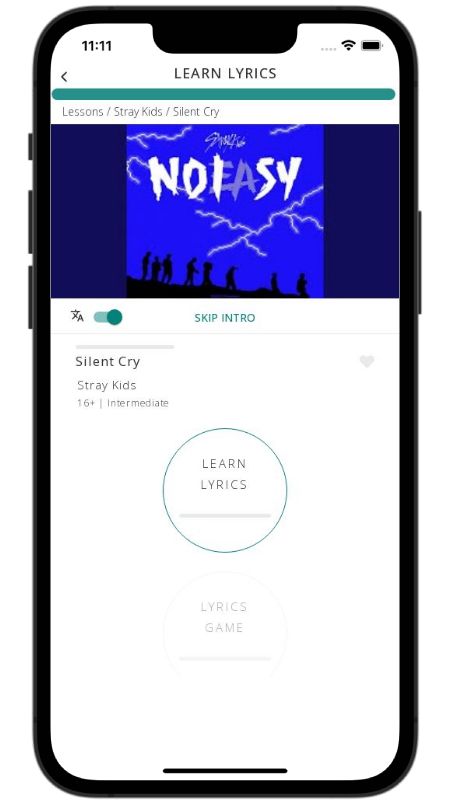
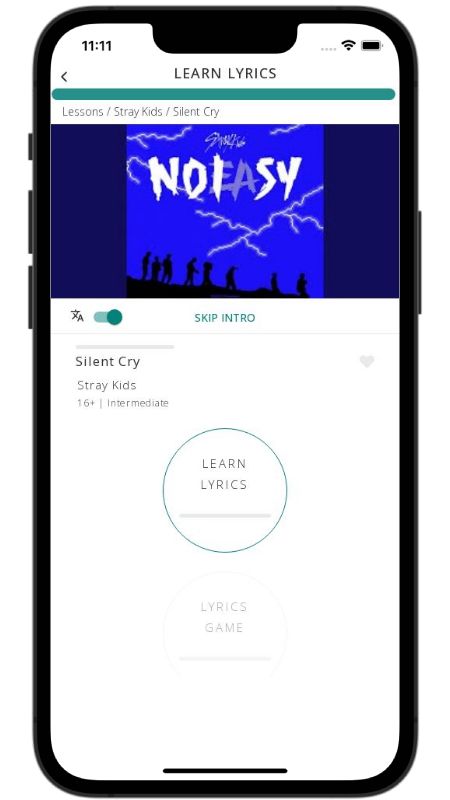
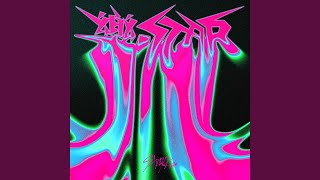
Silent Cry Lyrics in English by Stray Kids
시들어가 (sideureoga) comes from the verb 시들다 (sideulda), which literally means "to wither" or "to wilt", like a flower.
In "Silent Cry", this poetic word is used metaphorically to describe a person losing their inner light. The line "환하게 웃고 있던 넌 점점 시들어가" (You, who was smiling brightly, are gradually withering) paints a powerful picture of someone hiding their pain behind a smile, capturing the song's core message of noticing a friend's silent suffering.
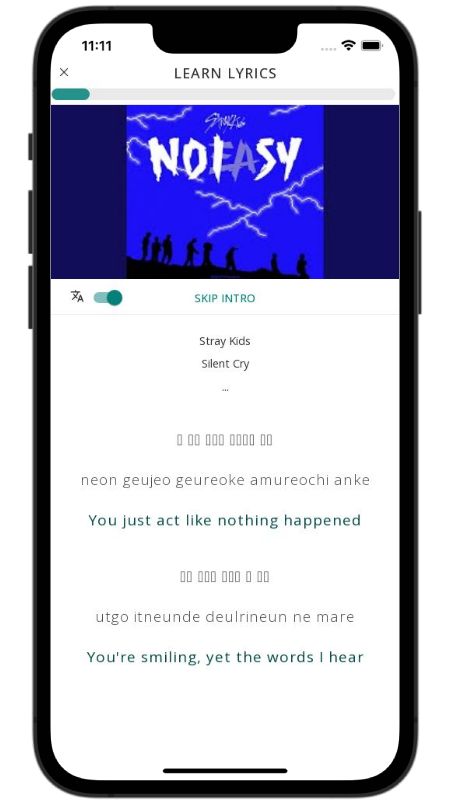
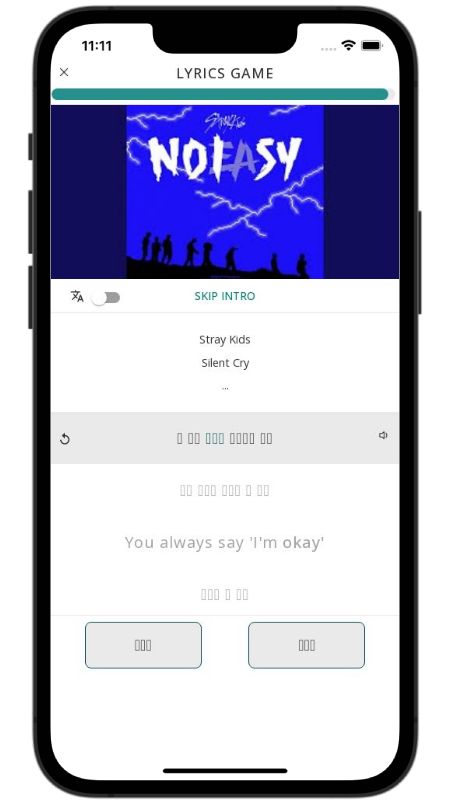
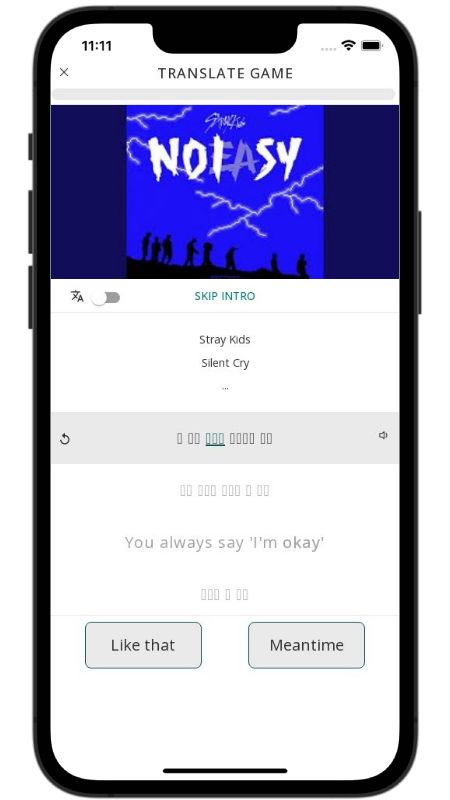
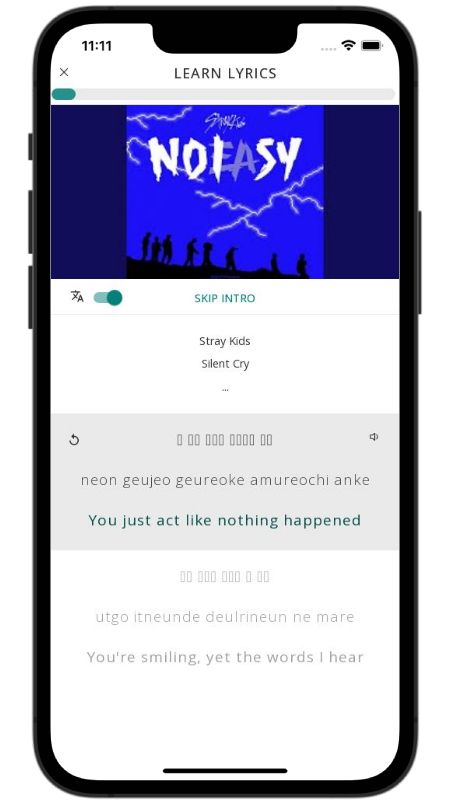
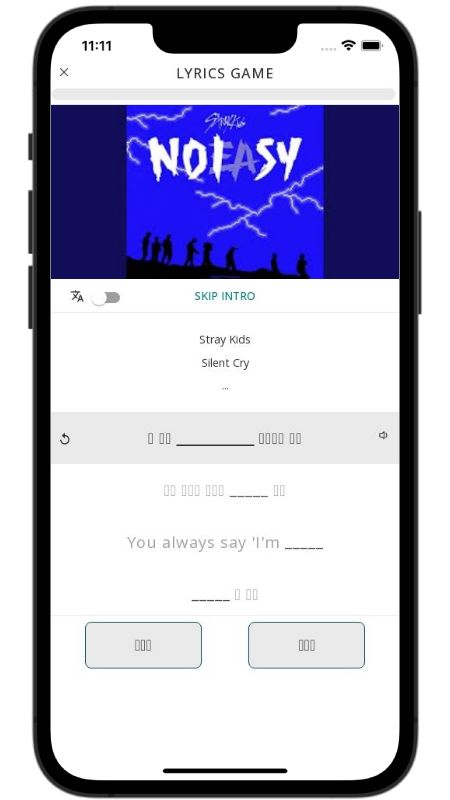
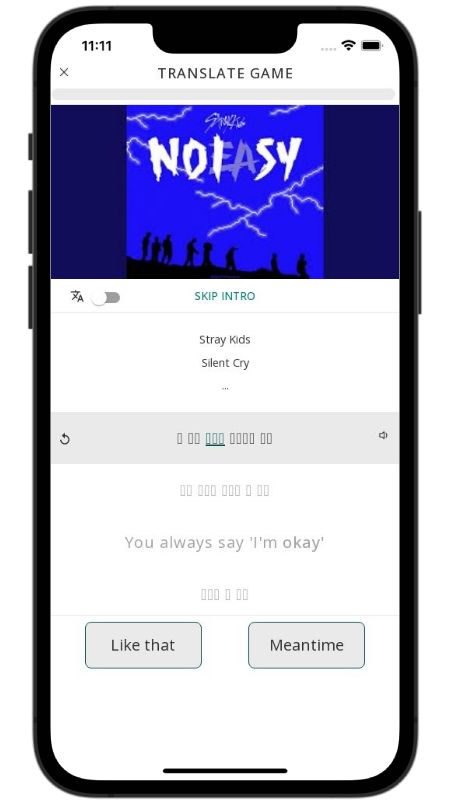
Have you ever told someone "I'm fine" while completely falling apart inside? That exact contradiction powers "Silent Cry" by South Korean group Stray Kids. Right from the start, the lyrics call out that fake smile with the line "넌 그저 그렇게 아무렇지 않게 웃고 있는데 들리는 네 말에 / You always say 'I'm okay'" (You are just smiling casually as if nothing happened, but in the words I hear, you always say 'I'm okay'). The track zooms in on the quiet moment after the bedroom light turns off—"조용한 방 불을 끄고 나면" (After turning off the lights in a quiet room)—where someone stops pretending and sighs into the dark. Instead of offering hollow cheer, the narrator watches through the cracked door and offers to carry that burden instead, saying bluntly: "'괜찮아'라는 말은 내가 대신해줄게" (I'll say the words 'it's okay' for you instead).
What makes this track stand out is how practical its comfort feels. The singer tells you to stop exhausting yourself trying to stay strong ("그만 참고" [Stop holding it in]) and promises "같이 울어 줄게" (I will cry with you). When the lyrics switch to storm imagery, they offer a great everyday Korean idiom: "빗물이 고여 모든 일이 꼬여" (Rainwater pools, everything gets tangled up). In Korean, the verb 꼬이다 literally means to get twisted or tangled, like yarn, but colloquially people use it whenever life turns messy and everything goes wrong at once. The song counters that mess with a direct rescue plan: "내가 우산을 펼게" (I will open an umbrella). It is a warm, unpretentious invitation to drop your guard and let a friend hear the tears you usually hide behind closed doors.