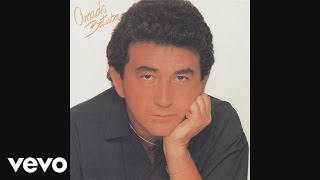
Vida De Solteiro Lyrics in English by Amado Batista
Amado Batista spends this whole song doing the math on his love life, and the result is honest and a little sad. He opens with "De todas as mulheres que eu beijei, nem uma delas disse que me amava" (Of all the women I kissed, not one of them said she loved me). Then comes his theory: maybe that is why he thought "meu coração nunca se entregava" (my heart never gave itself up). The verb entregar-se literally means to hand yourself over, and in love songs it means to fully surrender to someone. He is admitting he held back because nobody gave him a reason not to.
The second verse moves from kissing to loving, which is a bigger confession. Not one woman he loved "me amou por inteiro" (loved me completely), and so he stayed "uma grande parte da vida solteiro" (single for a big part of my life). That is the vida de solteiro of the title, and he does not make it sound like a party. The chorus is where he turns hopeful: "Ah, eu quero amar" (Ah, I want to love) and "Quero aprender fazer feliz meu coração" (I want to learn to make my heart happy). He finishes by asking love to make him dream and to prove "que o amor não é ilusão" (that love is not an illusion). It is a simple, heart-on-the-sleeve ballad, and the repeated chorus makes it a great one for practising "eu quero" + infinitive.