La Despedida Lyrics in English by Christian Nodal
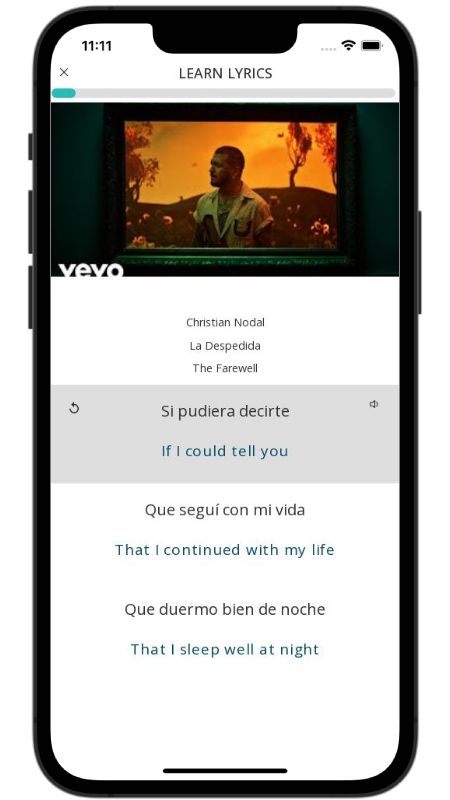
La Despedida translates to "The Farewell" or "The Goodbye". It's a more formal and emotionally heavy word than a simple "adiós", often referring to the entire event of parting ways.
In this heartbreaking song, "La Despedida" is not just the title, but the central event that haunts the narrator. He hopes his ex-lover is also scarred by their separation, singing "Que sí te marcó La Despedida" (That The Farewell left its mark on you), personifying the moment they parted into something that can leave a permanent emotional trace.
Mexican singer Christian Nodal delivers a brutal gut punch here, focusing on the worst part of betrayal: being angry at yourself. He admits that lying awake at night would actually be easier if he could pretend he moved on, singing: Si pudiera mentirte / Como tú lo hacías / Te quitara la culpa ("If I could lie to you / Like you used to / I'd take the guilt off you"). But the real sting is not just that his ex cheated. It is self-inflicted damage: Porque tú solo me fuiste infiel / Pero yo me traicioné a mí ("Because you were only unfaithful to me / But I betrayed myself"). His own heart turned traitor, picking someone else over his own well-being every single time.
What makes this track so painfully relatable is how weak he still feels right at the airport gate. When he sings Tú pudieras decirme / Que hay chance todavía / Y qué rabia me da / Porque me lo pensaría ("You could tell me / That there's still a chance / And it makes me so mad / Because I'd actually consider it"), he exposes that messy, embarrassing hesitation we try to hide. The phrase hay chance borrows the English word chance to mean an opening or another shot, a very natural everyday Latin American slang choice. He begs for a dramatic movie moment where an ex tells him Que no me monte en ese avión ("Don't get on that plane"), hoping for any sign that the goodbye hurt them, too.