Ayer Lyrics in English by Enrique Iglesias
Capricho translates to "whim" or "caprice". It describes a sudden, impulsive desire for something without a good reason, often seen as a fleeting or frivolous fancy.
In the song, Enrique Iglesias is desperate for reassurance from his lost love. He pleads, "Di que no es locura ni obsesión / Que no es capricho" (Say it's not madness nor obsession / That it's not a whim), hoping their connection is profound and real, not just a passing feeling.
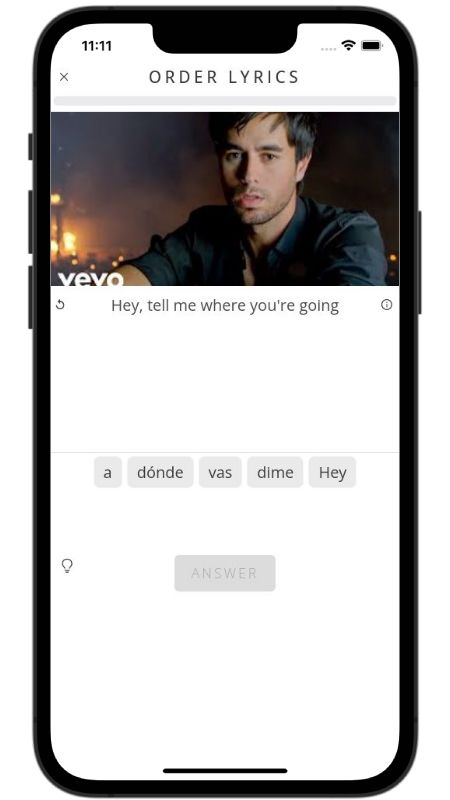
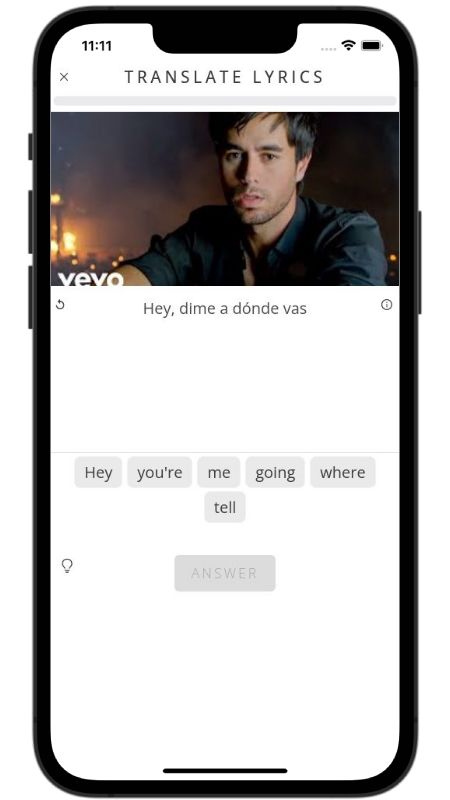
Spanish pop star Enrique Iglesias brings all the drama of unfinished romance in "Ayer". Right from the start, he spots an ex trying to slip away and calls out: "Hey, dime a dónde vas y si sabes tu destino" (Hey, tell me where you're going and if you know your destination). He isn't ready to let things go, reminding them that even after they split, "mi puerta siempre estuvo abierta" (my door was always open). It is direct, a little stubborn, and pure Enrique pleading for a second chance.
The emotional core hits in the chorus with the line "Ayer cabías en mi corazón y te escondiste en un rincón del otro lado" (Yesterday you fit in my heart and you hid in a corner on the other side). Notice the phrasing here: "cabías" comes from the verb caber (to fit inside), which sets up a great contrast with his lover shrinking away into a distant corner. He insists that their love isn't finished ("nuestro amor no está acabado") and claims he can see regret in their eyes. Whether that regret is real or, as he admits, "sólo idea mía" (just my own imagination), he refuses to give up the ghost.