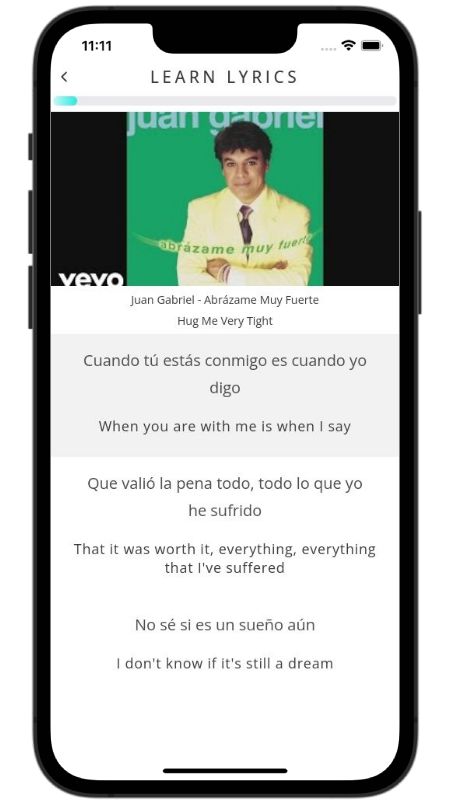
Abrázame Muy Fuerte Lyrics in English by Juan Gabriel
Estragos is a powerful word that translates to "havoc," "damage," or "ravages." It's not a word you hear every day, making it a unique and dramatic addition to your vocabulary.
In this emotional ballad, Juan Gabriel sings “Ha hecho estragos en mi gente como en mi persona” (It has wreaked havoc on my people as on myself), personifying time as a destructive force. He uses this word to describe the inevitable pain and wear that time inflicts, highlighting the urgent need for a loved one's embrace as a shield against it.
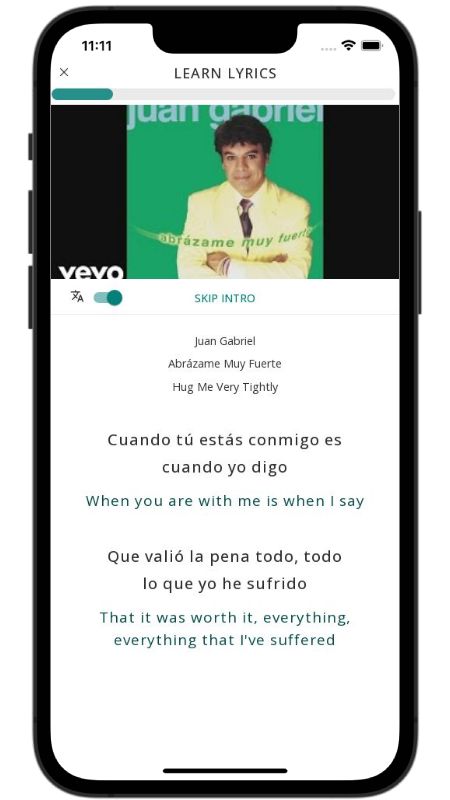
Mexican singer Juan Gabriel brings massive, tear-soaked emotion to "Abrázame Muy Fuerte" (Hold Me Very Tight), and he is definitely not holding back. He wakes up crying tears of joy ("otra vez he amanecido / Llorando de felicidad" [once again I woke up / Crying with happiness]) because finding real love makes all his past heartbreak totally worth it. After trusting someone who falsely swore they would give their life for him ("alguien que juró que daba su vida por mí"), he is finally in a safe place, thanking his partner for every second together and claiming that every star in the night sky equals an "I love you" ('te quiero').
What makes this track urgent is his absolute obsession with time as a villain. He repeats that time shows no mercy ("el tiempo pasa y él nunca perdona" [time passes and it never forgives]) and that it has wrecked both his loved ones and himself ("ha hecho estragos en mi gente como en mi persona"). In Mexican Spanish, saying something hace estragos means it wreaks havoc or causes serious wear and tear. Juan Gabriel treats a warm hug as the ultimate shield against aging and loss, reminding us that while God forgives, the clock doesn't give a damn who you are ("Dios perdona pero el tiempo a ninguno / ... no le importa saber quién es uno").