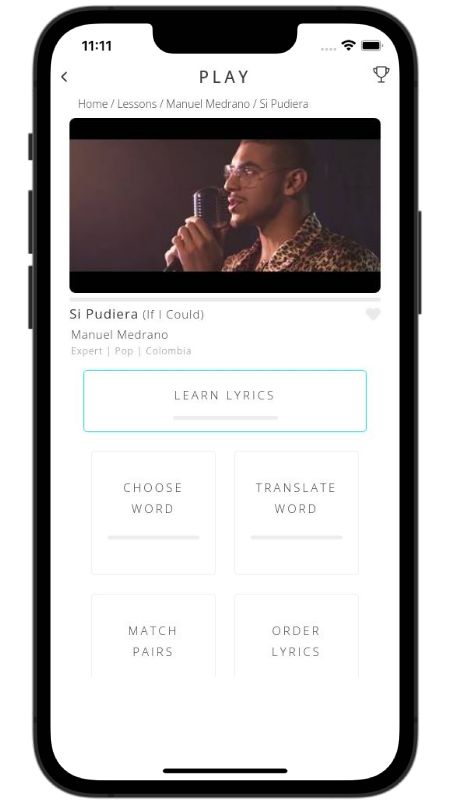
Si Pudiera Lyrics in English by Manuel Medrano
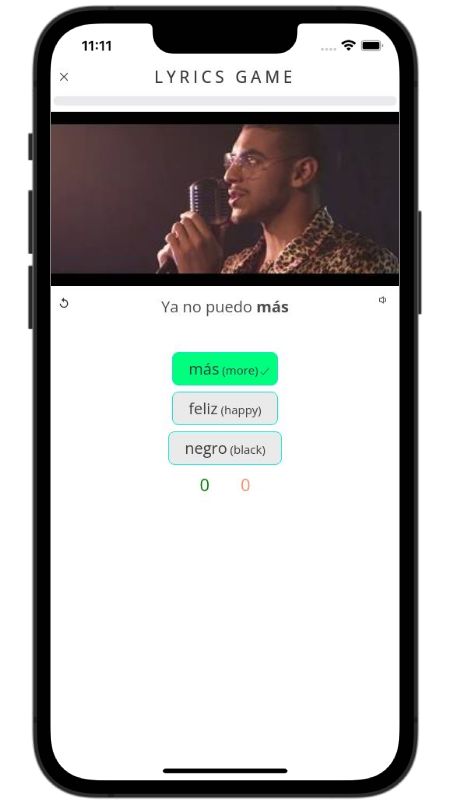
Supiera is a special form of the verb saber (to know) used for hypothetical situations, dreams, and regrets. It's the key to expressing all the 'what ifs' in Spanish, making it a powerful word for any learner to master.
In the song, Manuel Medrano sings the beautifully wistful line, "Si supiera darle al tiempo otro poco de tiempo" (If I knew how to give time a little more time). He uses supiera to express an impossible, heartfelt wish, making it a perfect word for adding a touch of poetry and deep emotion to your own Spanish.
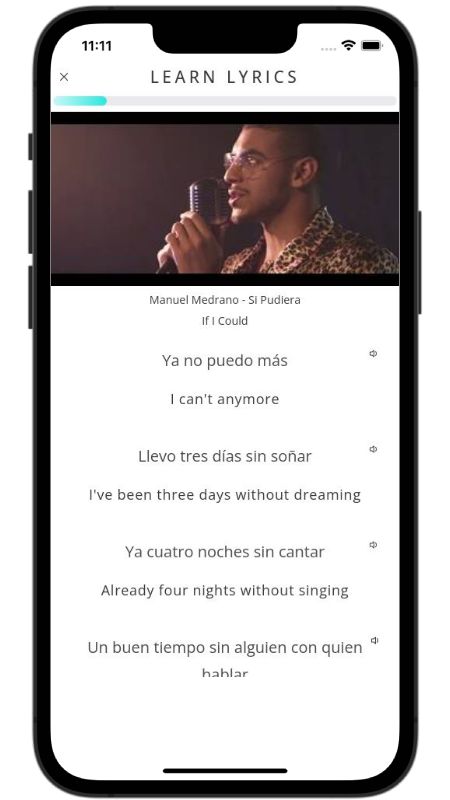
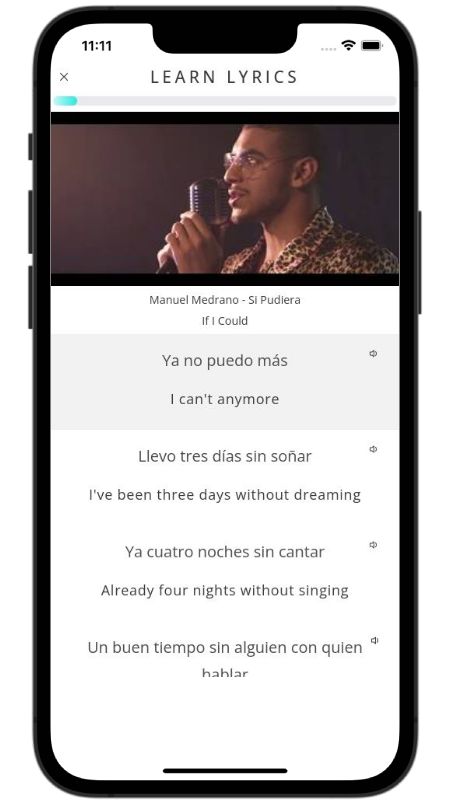
Have you ever lost someone and suddenly noticed your entire routine fall apart? In "Si Pudiera", Colombian pop singer Manuel Medrano counts out his grief night by night: "Llevo tres días sin soñar / Ya cuatro noches sin cantar" ("I've gone three days without dreaming / Now four nights without singing"). He admits he has spent ages without anyone to talk to, wondering if he is doing fine or just lying to himself about being alone. When he looks back, the regret hits hard: distance blinded him right when he needed to be present, and life drained of color until "el color se vuelve a blanco y negro" ("color turns back to black and white").
The chorus goes all-in on romantic desperation. He wishes he could turn back the clock or literally circle the globe over and over ("darle vueltas a la tierra una y otra vez"), only to track down another person who has the exact same eyes, lips, mouth, and skin. It is absurdly specific and a little obsessive, but that is the point: nobody else will do. Pay close attention to the Spanish idiom "darle al tiempo otro poco de tiempo" ("give time a little more time"), which usually means letting patience heal your wounds. Here, he twists it into a plea to buy more time so he can fix his mistakes, even if he suspects it is already way too late for her to listen.

















![No Sé Si Salga El Sol [Remix] Lyrics Translation](https://img.youtube.com/vi/y3Y_lZ4Q9Zw/mqdefault.jpg)