Si Te Vas Lyrics in English by Marc Anthony
Bandolera literally means a female "bandit" or "outlaw". It's a very dramatic and old-fashioned word that you won't hear in everyday conversation.
In this passionate salsa song, Marc Anthony uses it as an insult, calling the woman who is leaving him a heartbreaker and a thief. By calling her a bandolera, he's saying she robbed him of his love and betrayed him, adding a powerful, fiery sting to the end of the song.
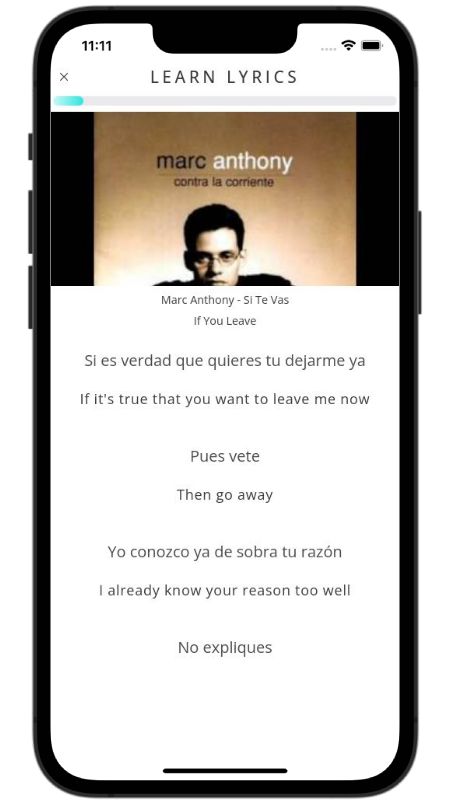
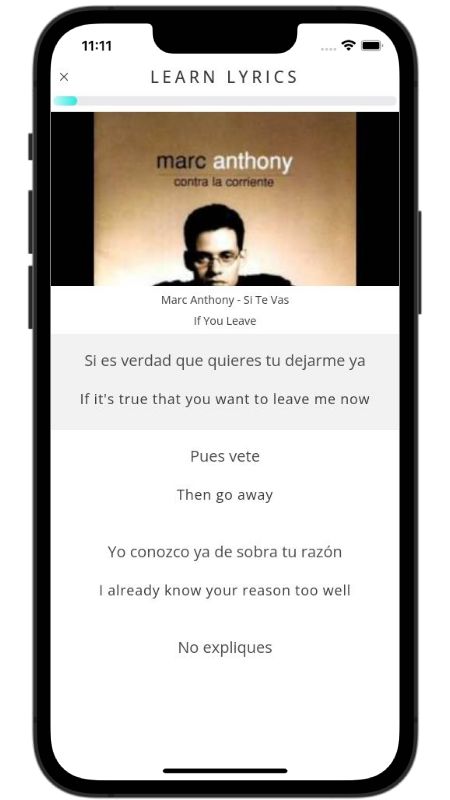
Marc Anthony does not waste a single second begging his ex to stay in this fiery salsa track. Right from the start, he serves up pure bruised pride with lines like "Si es verdad que quieres tú dejarme ya / Pues vete" (If it's true you want to leave me now / Then go). He tells her to skip the excuses because he knows she played him: "Te burlaste de mi pobre corazón" (You mocked my poor heart). Instead of crying under a blanket, he turns up the brass and delivers a dramatic, petty forecast of her future without him. He promises that her sky will lose its thousand stars ("Tu cielo perderá sus mil estrellas") and that other guys might bring her poetry and flowers, but nobody will ever love her for who she actually was like he did.
His favorite weapon here is pure confidence. He keeps warning her that she will end up completely alone ("sola te vas a quedar") and that she will hear his voice wherever she wanders. Near the end, he drops the ultimate salsa insult: "bandolera" (female bandit or outlaw). In classic Latin pop and salsa lyrics, calling someone a bandolera does not mean they rob banks; it means they are an untrustworthy heartbreaker who steals your love and runs off. It is dramatic, vindictive, and completely impossible not to dance to.