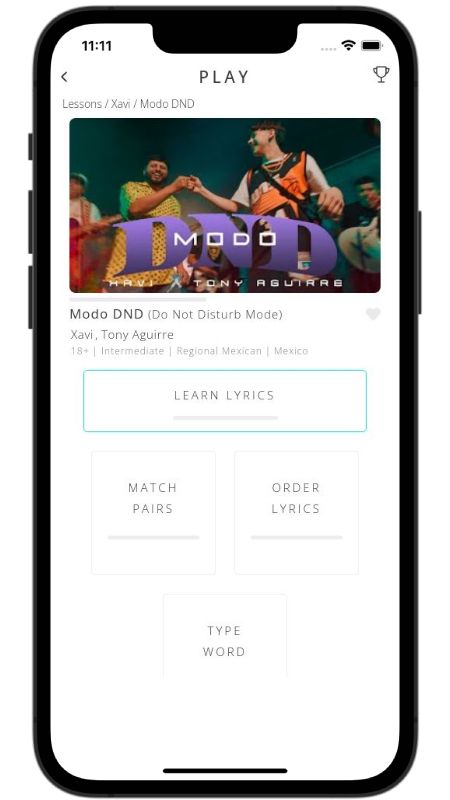
Modo DND Lyrics in English by Xavi, Tony Aguirre
Peló comes from the verb pelarse, which is a colloquial and somewhat informal way to say "to leave quickly" or "to run off". It implies a sudden or hasty departure, often without much explanation.
In the song, the lyric "Porque tú fuiste la que se peló de mi lado" (Because you were the one who left my side) uses peló to emphasize that the ex-partner abandoned the relationship abruptly. It's a more vivid and less common word than simply saying "se fue" (she left), making it memorable and adding a touch of emotional weight to the narrative of betrayal and moving on.
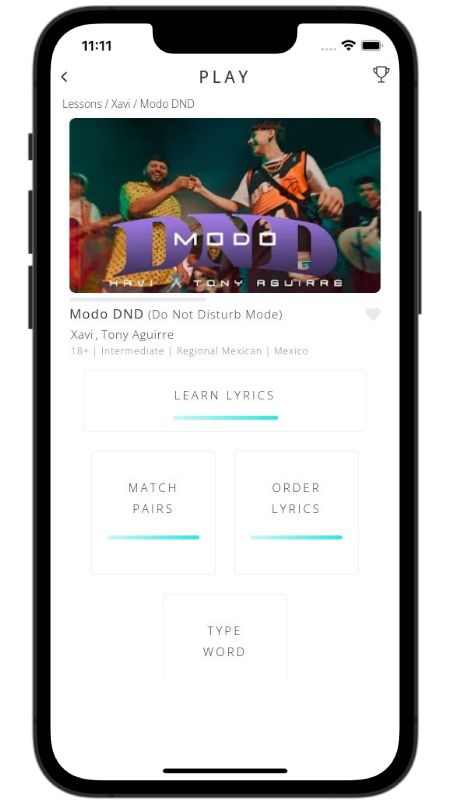
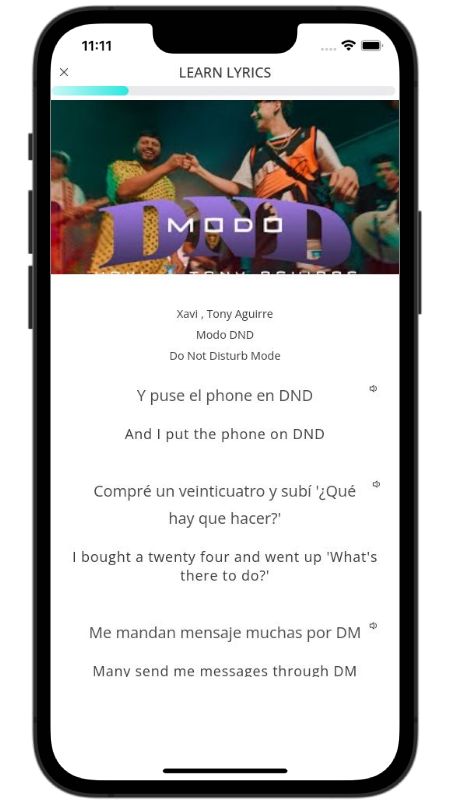
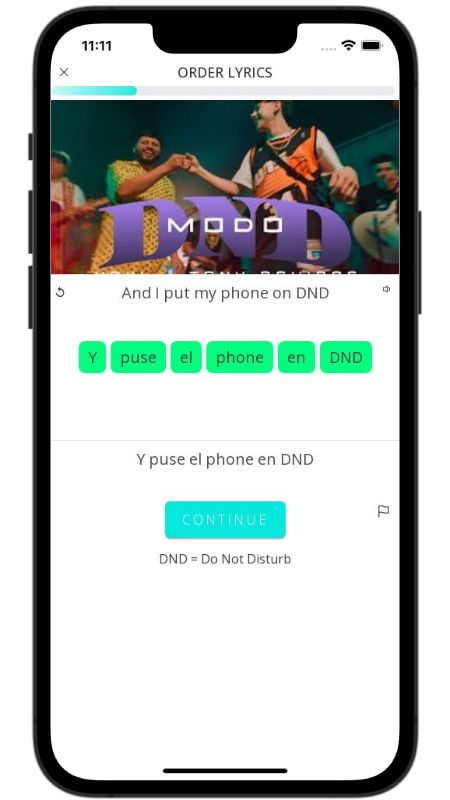
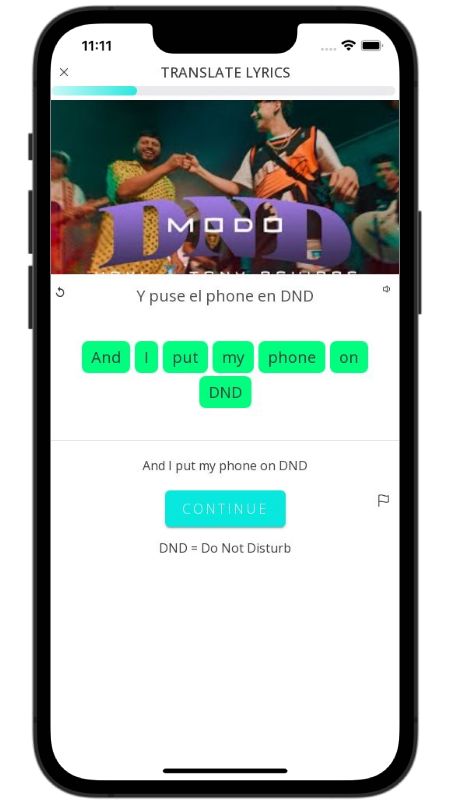
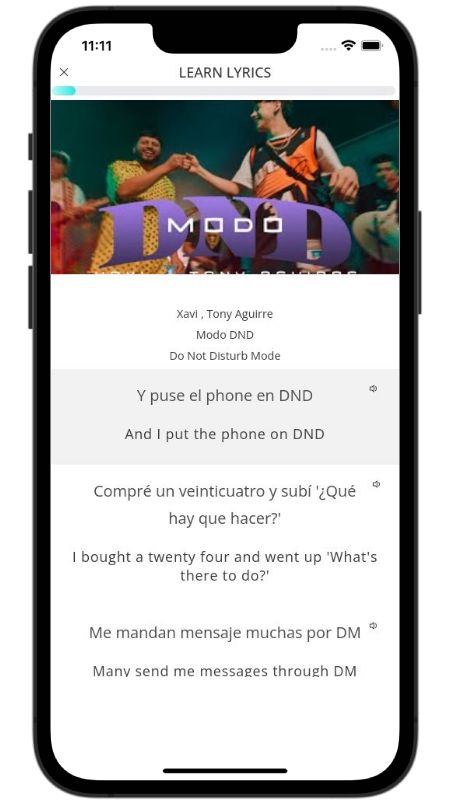
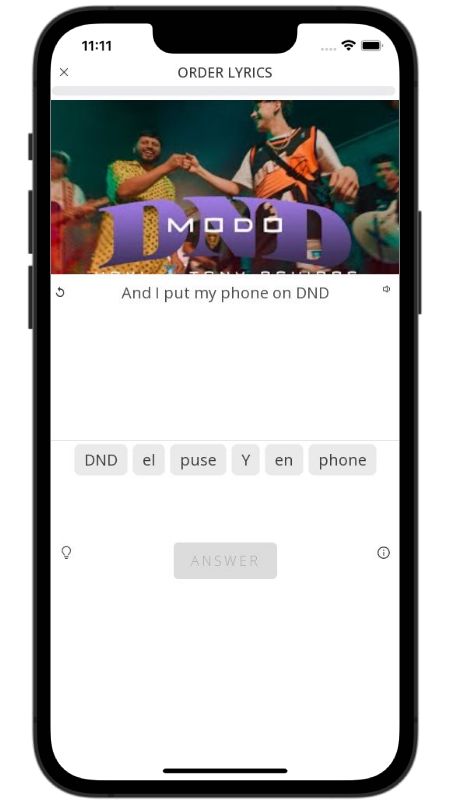
"Modo DND" is pure, petty post-breakup vindication set to acoustic guitars. Mexican singer Xavi teams up with Tony Aguirre to lay down the law: his phone is flipped to "Do Not Disturb" mode ("puse el phone en DND"), and an ex who walked away is definitely not getting through. Now that he has got a 24-pack of beer ("un veinticuatro") and a bag packed with cash ("una bolsita llena de billetes"), his DMs are blowing up, and even his ex's friend took the bait ("tu amiga hasta me capeó"—slang for catching his interest or responding to his story). He knows why she suddenly wants to see him again: he holds real status and influence now ("cargo un powersón").
Instead of being sad about it, Xavi and Tony revel in shutting the door in her face. The lyrics pull zero punches: "tú fuiste la que se peló de mi lado" ("you were the one who bailed on me"), so when she tries to come crawling back, he tells her bluntly to get lost ("te me vas a la verga"). Between shouting out Phoenix ("la finiquera", common slang among Regional Mexican artists for the Arizona city), he makes it clear that her calls go straight to voicemail ("pa'l buzón") simply because he felt like telling her to take a hike ("se me pegó la gana de mandarte a la chingada"). It is harsh, incredibly direct, and wildly satisfying if you have ever had an ex run back the second you started doing well.